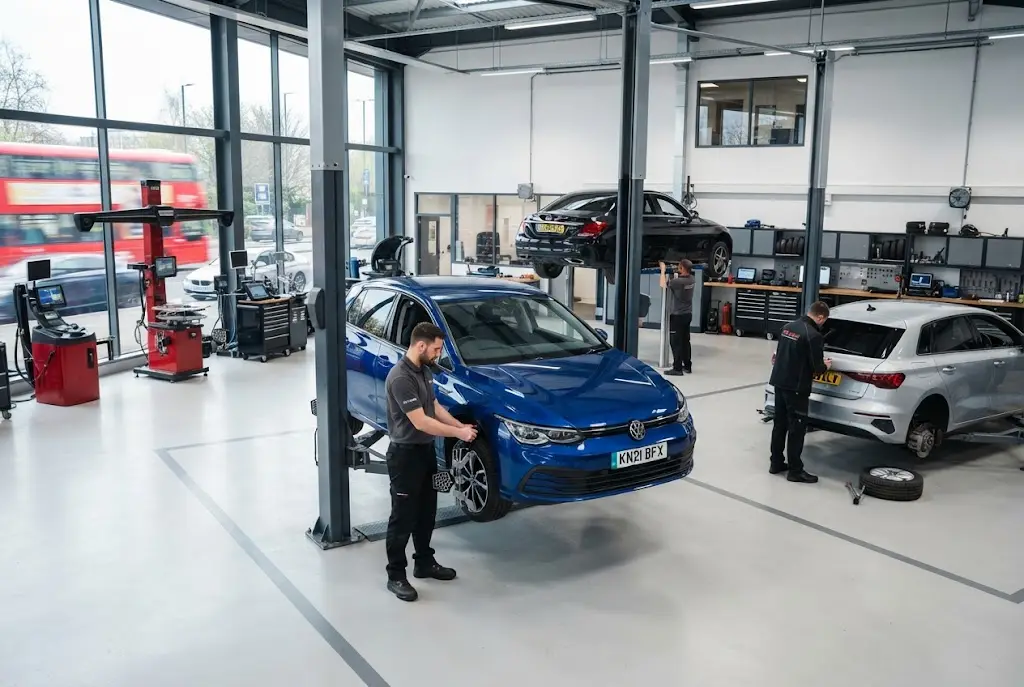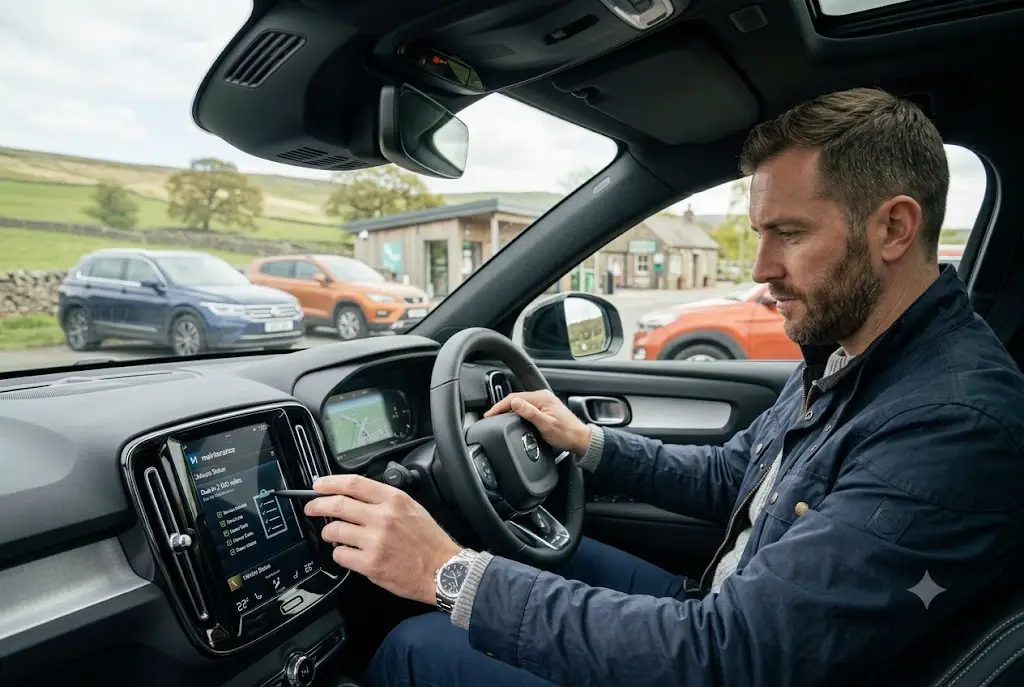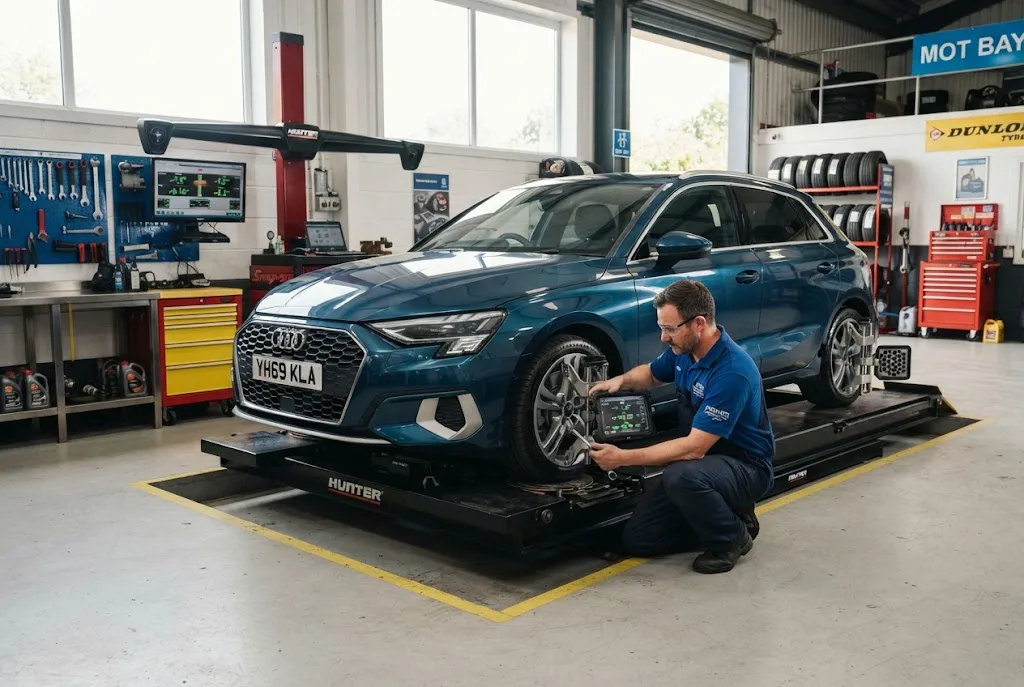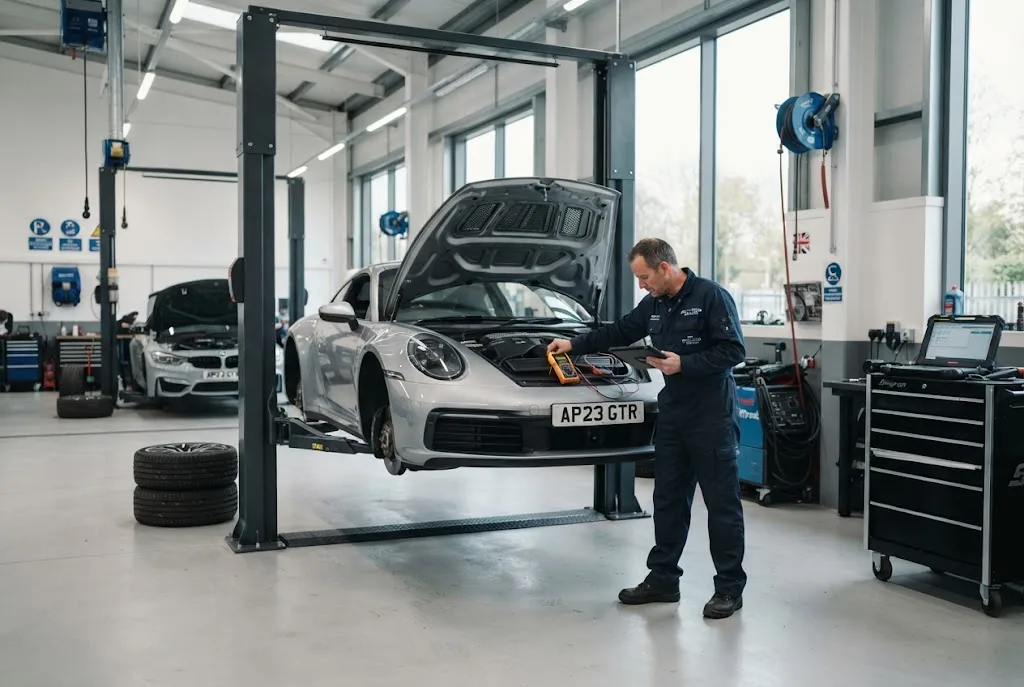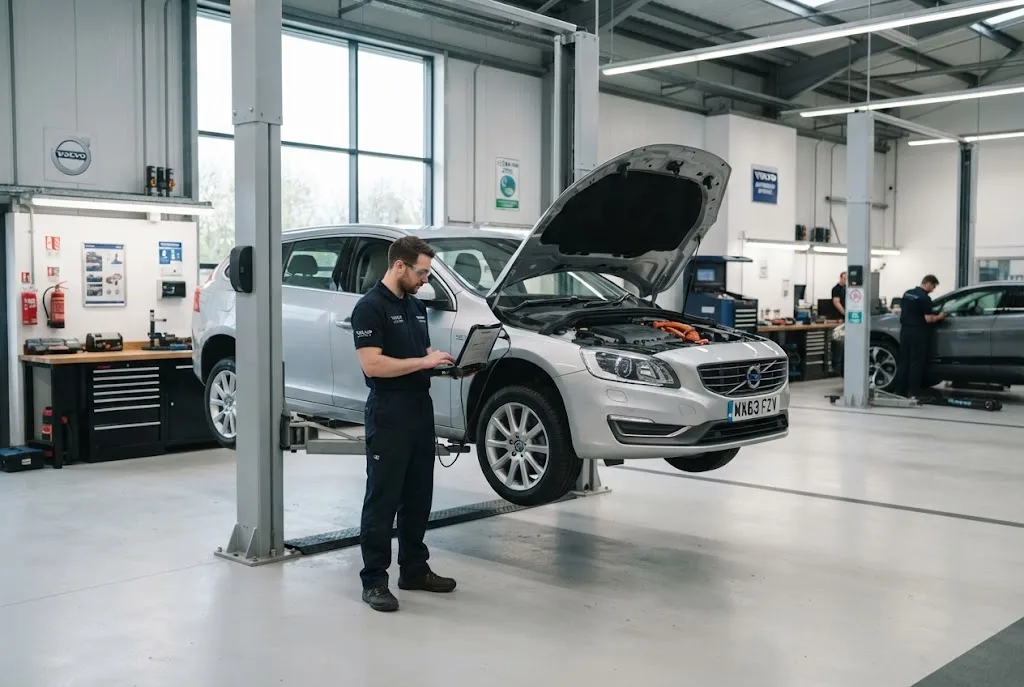
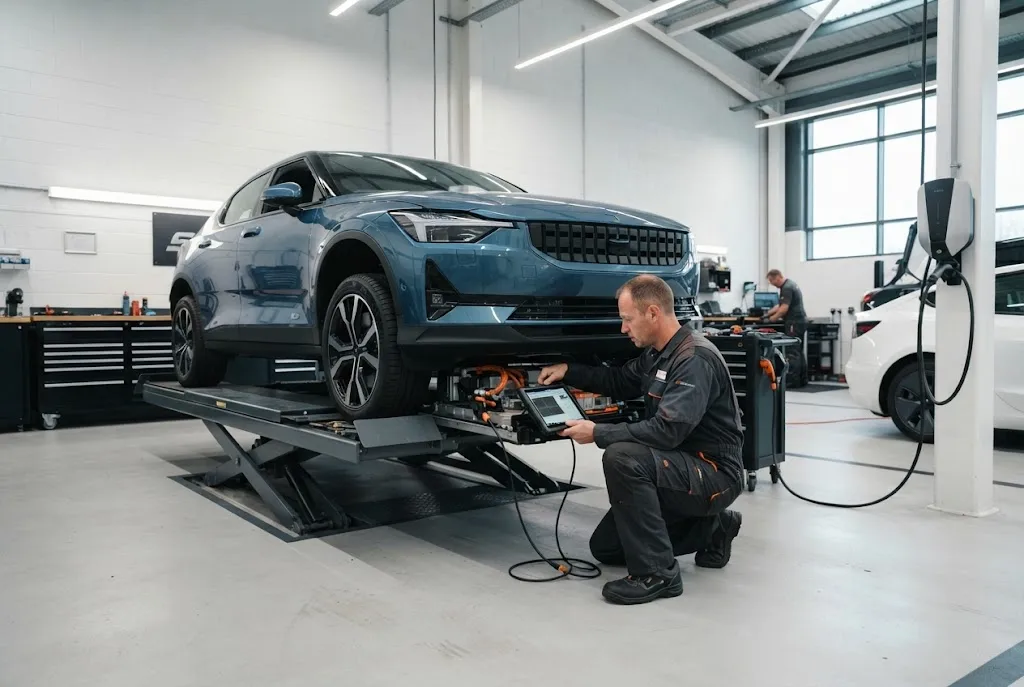

EV servicing is becoming an increasingly important part of vehicle ownership as more UK drivers move from petrol and diesel cars to fully electric vehicles. Although electric cars generally have fewer moving mechanical parts than conventional vehicles, they still require regular inspections and maintenance to remain safe, efficient and reliable.
Electric vehicles have different service requirements from cars powered by internal combustion engines. There is no conventional engine oil to replace, but components such as tyres, brakes, suspension, steering, cooling systems, electrical equipment and the high-voltage battery still need appropriate attention.
Understanding what an EV service involves can help owners choose the right workshop, recognise maintenance requirements and avoid assuming that an electric car is completely maintenance-free.
What Is EV Servicing?
EV servicing involves inspecting and maintaining an electric vehicle according to its manufacturer’s requirements. The exact checks depend on the make, model, age, mileage and design of the vehicle.
Unlike a petrol or diesel service, an electric vehicle does not require routine engine-oil changes, spark-plug replacement or many other engine-related maintenance tasks. Instead, attention shifts towards the vehicle’s electrical systems, battery, brakes, tyres, suspension, steering and other components.
Some EVs also use sophisticated thermal management systems to regulate battery and electronic component temperatures. These systems may require inspection or maintenance according to the manufacturer’s schedule.
Why EV Servicing Matters
Electric vehicles are engineered to require less routine mechanical maintenance, but that does not eliminate the need for professional inspections. Safety-critical systems still need to function correctly, while wear-and-tear components can deteriorate regardless of the vehicle’s power source.
Regular maintenance can help identify problems with tyres, brakes, suspension, steering and other components before they become more serious.
Servicing also gives technicians an opportunity to assess systems that are specific to electric vehicles. This can be particularly important when a vehicle displays warning messages or unusual behaviour.
What Is Checked During EV Servicing?
The precise service checklist varies by manufacturer. However, several areas are commonly relevant to electric vehicle maintenance.
High-Voltage Battery System
The high-voltage battery is one of the defining components of an electric vehicle. It stores the electrical energy used to power the vehicle and works with other components to deliver propulsion.
Battery-related checks can vary considerably between EV models. A professional technician may use vehicle diagnostics to identify fault codes, warnings or abnormal system behaviour.
Battery servicing should only be carried out by appropriately trained professionals. High-voltage systems can present serious safety risks if handled incorrectly.
Tyres
Tyres remain critical on an EV because they directly affect braking, handling, road grip and efficiency. Electric vehicles can also have significant weight due to their battery systems, while instant motor torque can influence tyre wear depending on driving habits.
During a service, technicians can check tread depth, tyre pressure, visible damage and uneven wear.
If tyre wear appears uneven, owners should investigate the possible cause rather than simply replacing the affected tyres. Issues involving steering, suspension or wheel alignment can contribute to abnormal wear.
Braking System
Many EVs use regenerative braking to recover energy during deceleration. This can reduce the amount of work performed by conventional friction brakes in certain driving conditions.
However, brake discs, pads, callipers and related components still require inspection. Reduced brake use can sometimes mean that corrosion or other issues deserve particular attention.
Any unusual brake noise, vibration, pulling or warning light should be investigated promptly.
Suspension and Steering
Suspension and steering systems remain fundamental to vehicle stability and handling. Components can wear over time due to mileage, road conditions and normal use.
During servicing, technicians can inspect relevant components for damage, excessive movement, leaks or other signs of deterioration.
Cooling and Thermal Systems
Electric vehicles can use dedicated cooling systems to regulate temperatures within batteries, motors, inverters and other electronic components.
The exact system differs between manufacturers. Where scheduled maintenance applies, the relevant coolant, pipes, pumps and other components should be checked according to the manufacturer’s instructions.
EV Mechanics and Specialist Training
EV mechanics need knowledge that extends beyond traditional mechanical repairs. Electric vehicles contain high-voltage electrical systems, advanced electronics and software-controlled components.
Technicians working on these systems need appropriate training and safety procedures. This is particularly important for work involving high-voltage batteries, cables, inverters and other propulsion components.
Not every garage is equipped to perform every type of EV repair. Before booking, ask whether the workshop has experience with your specific vehicle and whether it can safely perform the required work.
Can a Normal Garage Service an Electric Vehicle?
Some conventional workshops can service electric vehicles, but capability varies significantly between businesses.
Routine tasks such as tyre fitting, brake inspections and certain suspension repairs may be familiar to many automotive workshops. However, high-voltage diagnostics and repairs require additional expertise and equipment.
When selecting a garage, check its EV experience rather than assuming that a general automotive workshop can handle every electric vehicle fault.
Large garage chains may provide EV services through selected locations, while independent specialists can also offer dedicated electric vehicle expertise. The most important consideration is whether the individual workshop is properly equipped for the task.
Battery Servicing and Battery Health
Battery health is one of the most discussed aspects of EV ownership. The battery is a major component of the vehicle, so drivers naturally want to understand its condition over time.
Battery performance can be influenced by factors such as vehicle design, usage patterns, temperature, charging behaviour and age. However, battery degradation is not necessarily the same across every vehicle.
Some vehicles provide battery-health information through their onboard systems, while diagnostic equipment may provide additional information when assessed by a qualified technician.
Drivers should not assume that a reduction in driving range automatically means the battery requires replacement. Range can also be affected by weather, driving style, heating or air conditioning use, tyre pressure and other factors.
EV Servicing and Charging Infrastructure
Charging is a major part of electric vehicle ownership, even though charging itself is not normally considered a routine workshop service.
Owners may use home charging equipment, workplace charging or public charging networks depending on their circumstances. A reliable charging setup is therefore an important part of practical EV ownership.
If a vehicle repeatedly fails to charge, charges unusually slowly or displays a charging-related warning, the cause should be investigated. Problems can potentially involve the vehicle, charging equipment, electrical supply or charging connection.
Drivers should follow the vehicle and charging equipment manufacturer’s safety instructions rather than attempting electrical repairs themselves.
EV Servicing Costs in the UK
The cost of EV servicing varies according to the vehicle, manufacturer, workshop, mileage and work required. A routine EV service can differ substantially from a repair involving specialist diagnostics or high-voltage components.
Electric vehicles can have lower routine maintenance requirements because they lack many combustion-engine components. However, that does not mean every EV repair is inexpensive.
For example, tyres, suspension components, brakes and other conventional parts still incur normal replacement costs. Specialist electrical diagnostics can also require appropriately trained technicians and dedicated equipment.
When comparing prices, check exactly what is included in the service. A low headline price may not represent the same level of inspection as a more comprehensive package.
EV Servicing for Different Types of Drivers
Maintenance requirements can vary depending on how an electric vehicle is used.
A commuter who mainly drives short urban journeys may have different tyre and braking patterns from someone who regularly travels long motorway distances. Frequent rapid charging, heavy loads and demanding driving conditions can also influence vehicle use.
This does not mean drivers should create their own maintenance schedules. The manufacturer’s recommended schedule remains the appropriate starting point, with additional inspections where symptoms or operating conditions justify them.
Premium Maintenance for Electric Vehicles
Owners of premium electric vehicles may expect a high level of technical expertise and customer support from their chosen workshop. Premium EVs can include advanced driver assistance systems, sophisticated infotainment, complex thermal management and extensive electronic architecture.
When maintaining such vehicles, it can be useful to ask whether the workshop has experience with the specific make and model. Manufacturer-approved facilities may have access to dedicated procedures and equipment, while specialist independent workshops can also have strong expertise.
The correct choice depends on the vehicle, warranty considerations and the nature of the work required.
EV Servicing and Vehicle Software
Modern electric vehicles rely heavily on software. Vehicle control systems manage battery performance, charging, propulsion and many other functions.
As a result, some faults may require diagnostic equipment rather than a traditional mechanical inspection. Software updates can also be part of vehicle maintenance, depending on the manufacturer.
Owners should therefore keep track of manufacturer communications and follow relevant service or update instructions.
Signs Your EV Needs Professional Attention
Electric vehicle owners should take warning messages and unusual behaviour seriously. Potential signs that a vehicle needs inspection include dashboard warning lights, unexpected charging problems, unusual noises, steering changes, brake issues or a noticeable change in performance.
Reduced driving range alone does not necessarily indicate a mechanical fault. Environmental conditions and driving habits can have a substantial effect on range.
However, if a significant change occurs alongside warning messages or other symptoms, professional diagnosis is advisable.
How to Choose an EV Service Centre
Start by checking whether the workshop is experienced with electric vehicles. Ask whether its technicians have appropriate EV and high-voltage training and whether it can diagnose the make and model you drive.
It is also worth asking whether the workshop can handle the specific job. A garage that can fit EV tyres may not necessarily be equipped to repair a high-voltage battery system.
Request a clear quotation before approving significant work. The quotation should explain the recommended repair and identify parts, labour and diagnostic charges where applicable.
For a wider comparison of workshop types, our guide to automotive service companies looks at independent garages, authorised workshops and specialist automotive businesses.
EV Ownership and Long-Term Maintenance
Good maintenance can make EV ownership more predictable. Owners should keep records of servicing, repairs, inspections and relevant manufacturer updates.
Tyre pressure should be checked regularly, while drivers should remain alert to changes in braking, steering and vehicle behaviour. Charging equipment should also be used according to its manufacturer’s instructions.
Maintaining these basic habits can help owners identify problems earlier and keep the vehicle operating as intended.
EV Servicing and the Future of Transport
Electric vehicles are part of a wider shift in road transport. As charging infrastructure expands and vehicle technology develops, automotive workshops will increasingly need the skills and equipment required to support electric drivetrains.
This transition also means motorists will have more choices when looking for maintenance providers. Some established service networks are expanding their EV capabilities, while independent specialists are developing dedicated electric vehicle services.
For owners, the most useful approach is to focus on technical capability rather than simply choosing the largest or most familiar company.
Final Thoughts on EV Servicing
EV servicing differs from conventional car maintenance because electric vehicles use high-voltage batteries, electric motors, advanced electronics and regenerative braking systems. At the same time, many familiar vehicle components, including tyres, suspension, steering and friction brakes, still require regular attention.
The best maintenance strategy is to follow the manufacturer’s service schedule and choose a workshop with appropriate EV training, equipment and experience. This becomes especially important when a repair involves high-voltage components or complex electronic systems.
As electric vehicle ownership continues to develop in the UK, understanding these maintenance requirements will help drivers make better decisions about servicing, repairs and long-term vehicle care.
For official information about MOT testing and vehicle roadworthiness in the UK, motorists can consult the GOV.UK MOT guidance.