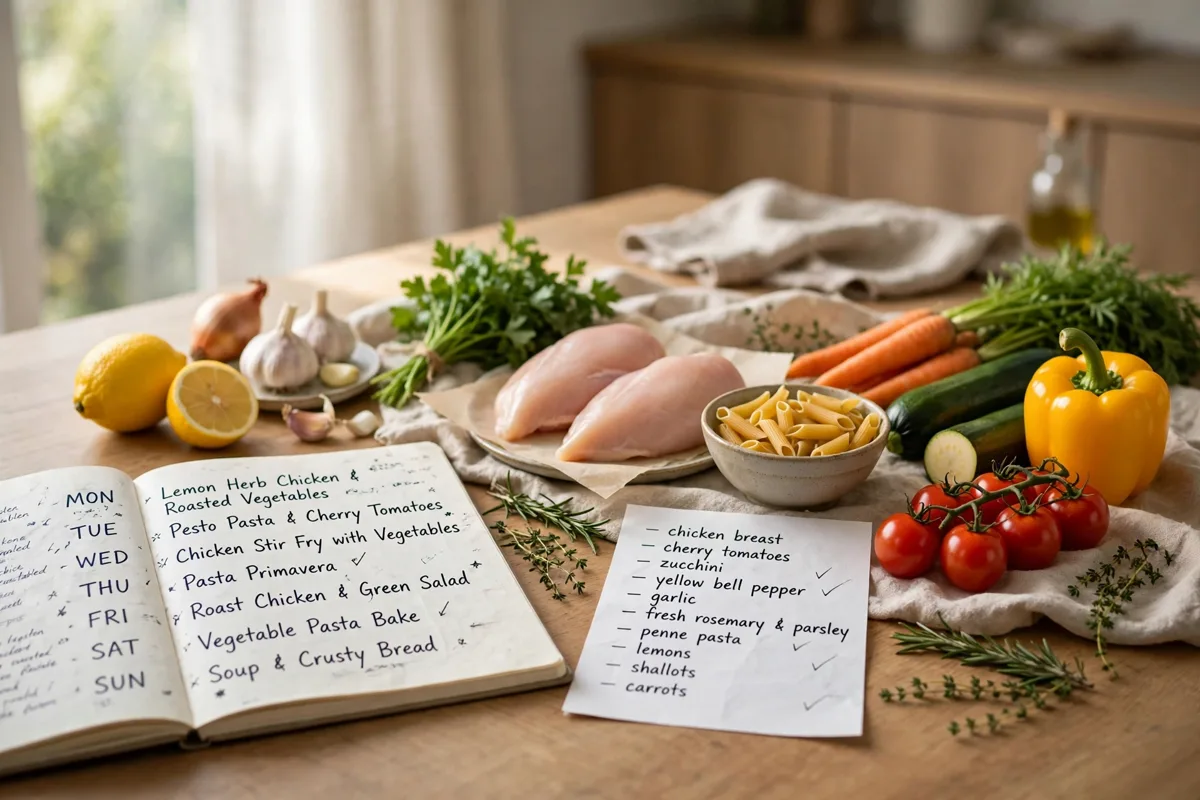

Meal planning for beginners sounds like one of those habits reserved for ultra-organised people with colour-coded fridges, but in reality it is simply deciding what you will eat before the week runs away with you. Instead of standing in front of the fridge at 6pm hoping inspiration strikes, you spend twenty quiet minutes with a notebook or an app, choose your meals, and shop once with a list. The result is calmer evenings, fewer emergency takeaways, and a noticeably smaller food bill at the end of the month.
For UK households facing rising supermarket prices, the savings are real. Planning means buying ingredients that work across several meals, using up what is already in the cupboard, and cutting the food waste that quietly drains most family budgets. This guide walks you through a simple, flexible system you can start this week, even if you have never planned a single meal in your life.
Why Meal Planning for Beginners Works So Well
The biggest benefit is decision relief. Most of us make dozens of small food decisions every day, and by evening our willpower is spent. A plan removes the daily “what is for dinner?” debate entirely. You already know, the ingredients are already in the house, and cooking becomes a straightforward task rather than a daily negotiation.
The second benefit is financial. When you shop with a list built around planned meals, impulse buys shrink dramatically. You stop purchasing duplicate items that were already sitting at the back of the fridge, and you use fresh ingredients before they spoil. Many families find that a simple weekly plan trims their grocery spend by a fifth or more, simply because nothing is bought without a purpose.
Finally, planning makes healthier eating almost automatic. When meals are chosen in advance, you naturally balance the week: something quick on busy nights, something more substantial at the weekend, and vegetables spread across several dishes rather than forgotten in the salad drawer. Paired with a generally active lifestyle, planned eating quietly becomes the foundation of feeling better day to day.
Start With a Realistic Weekly Rhythm
Begin by looking at your actual week, not an idealised one. Mark the evenings when you work late, the nights the children have clubs, and the days when nobody feels like cooking. Plan your simplest meals for the busiest nights: traybakes, stir-fries, pasta dishes and slow-cooker recipes that largely look after themselves.
Most beginners do best planning five dinners rather than seven. Leave one night for leftovers and one night flexible for eating out, visiting family, or finishing whatever the week produced. A plan that bends survives; a rigid plan that demands seven brand-new cooked meals usually collapses by Thursday.
It also helps to give the week a loose rhythm. Many households use gentle themes, such as a meat-free Monday, a pasta night, a curry night, and a traditional Sunday roast whose leftovers become Monday’s soup or sandwiches. Themes narrow the choices without making the week feel repetitive, because the specific dish inside each theme changes every time. A monthly world-food night is a favourite theme in many homes, whether it means exploring Colombian lunch foods or working through the curry recipes you keep meaning to try.
Build Your Plan Around What You Already Have
Before writing a single meal idea down, open the fridge, freezer and cupboards and list what needs using up. That half bag of spinach, the chicken thighs in the freezer, the tinned tomatoes that have been there since spring: these become the foundation of the week’s plan. Shopping then becomes a matter of topping up rather than starting from scratch.
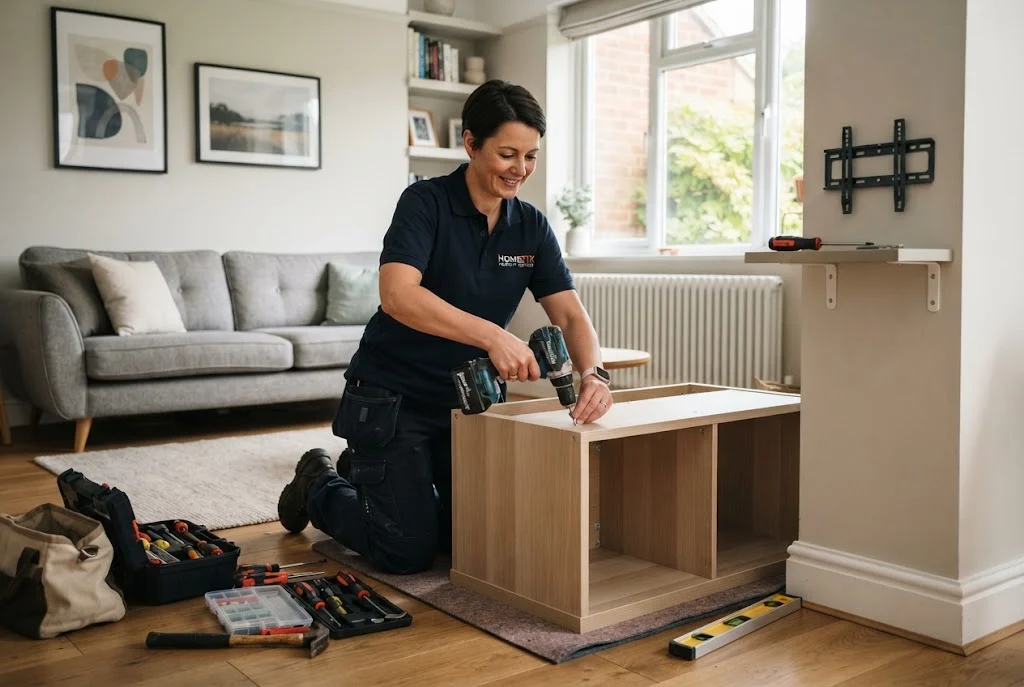
This “shop your kitchen first” habit is where most of the waste savings come from. Fresh herbs can be planned across two dishes, a large pack of mince can become both a bolognese and a cottage pie, and a roast chicken can stretch into sandwiches, a stir-fry and a stock. Our guide to home utility services covers more ways to run an efficient kitchen and cut household waste across the week.
Keep a running list of reliable “captain meals”: five or six dishes your household always enjoys, that you can cook without thinking. Rotating these staples with one or two new recipes each week keeps planning fast and prevents the boredom that kills new habits.
Write a Shopping List That Matches the Plan
With meals chosen, write the list by supermarket section: produce, meat and fish, dairy, bakery, store-cupboard goods and frozen items. Grouping the list this way stops the zig-zag trips back across the shop that lead to forgotten items and impulse extras. If you shop online, the same structure makes building the basket quicker and makes it easier to spot if the total is creeping up.
Check unit prices as you go. Larger packs of rice, pasta and frozen vegetables usually work out cheaper per portion, and because they are planned ingredients rather than hopeful purchases, they will actually get used. Seasonal British produce is another quiet saving: root vegetables, cabbages and apples in autumn, or salads and soft fruit in summer, cost less and taste better than imports flown in out of season.
Finally, photograph your list or keep it in a notes app you can reuse. Most households repeat roughly the same core shop every week, so a saved template turns next week’s planning into a ten-minute edit rather than a blank page.
Prep Once, Cook Easily All Week
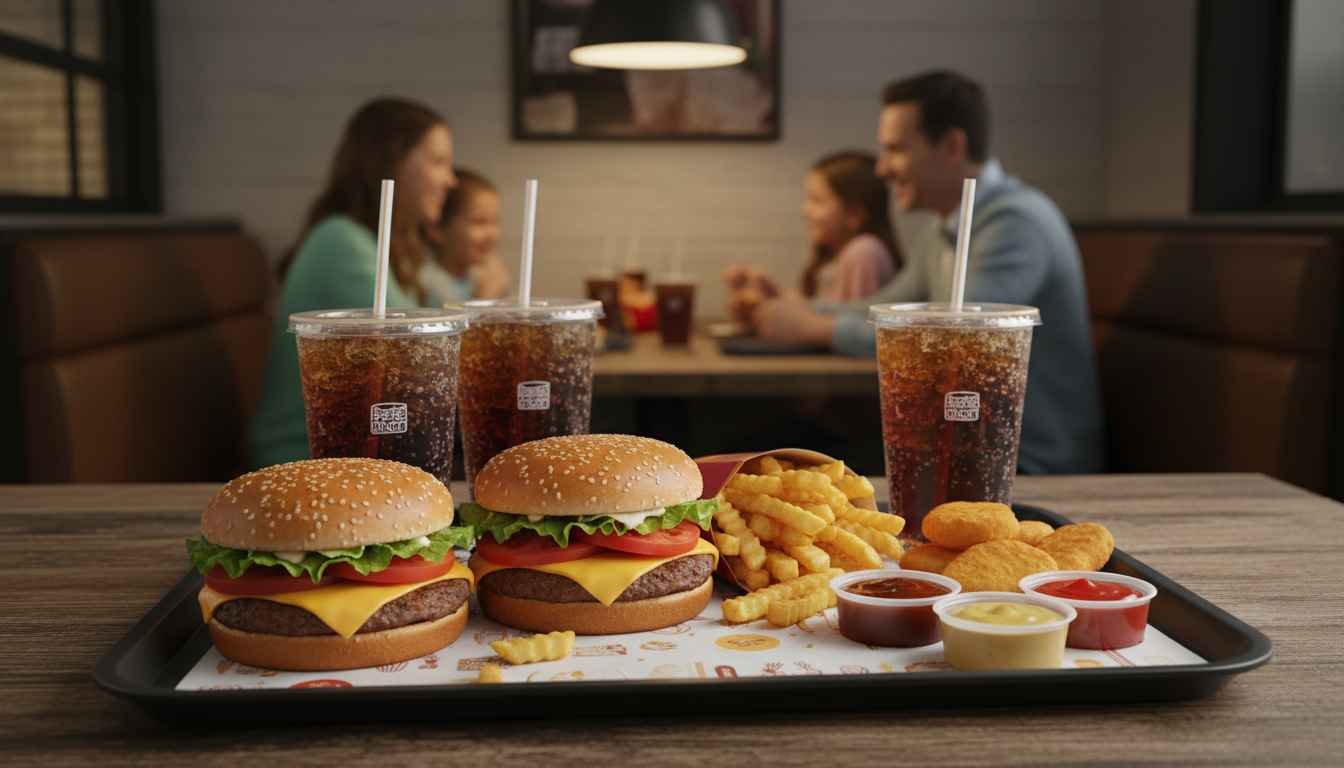
A short prep session transforms weeknight cooking. Washing salad, chopping onions and peppers, cooking a batch of grains, or marinating proteins takes under an hour at the weekend and removes the slowest parts of every evening meal. This style of preparation, often called batch cooking when whole dishes are made ahead, is explored in our the best family meal deals in fast food feature on how family food traditions have changed.
Store prepared ingredients in clear containers at eye level in the fridge so nothing gets forgotten at the back. Label freezer portions with the dish and date; a mystery bag helps nobody in February. Cooked rice, sauces and soups freeze particularly well and become instant homemade ready meals for the nights when even twenty minutes feels too long.
Do not overdo it in week one. Prep two or three things, notice how much easier the week feels, and build from there. Small wins compound into a routine that feels effortless within a month.
Keep It Flexible and Review Each Week
Plans meet real life, and real life wins sometimes. A meal skipped on Tuesday simply moves to Thursday; ingredients for Friday’s dinner can become Saturday’s lunch. The plan is a framework that reduces stress, not a contract that creates it. If a week goes completely sideways, nothing is lost: the list and the ideas carry over.
At the end of each week, spend two minutes reviewing. Which meals earned a repeat? Which recipe took twice as long as promised? What got wasted, and why? These small notes make every subsequent plan smarter, and within a couple of months you will have a personal rotation of twenty or more proven meals to draw on.
Meal planning for beginners is not about perfection or pretty spreadsheets. It is about taking twenty minutes to make the other ten thousand minutes of the week run more smoothly, spending less on food you throw away, and eating dinners you actually look forward to. Start with five dinners, a list, and one short prep session, and let the habit grow from there.