
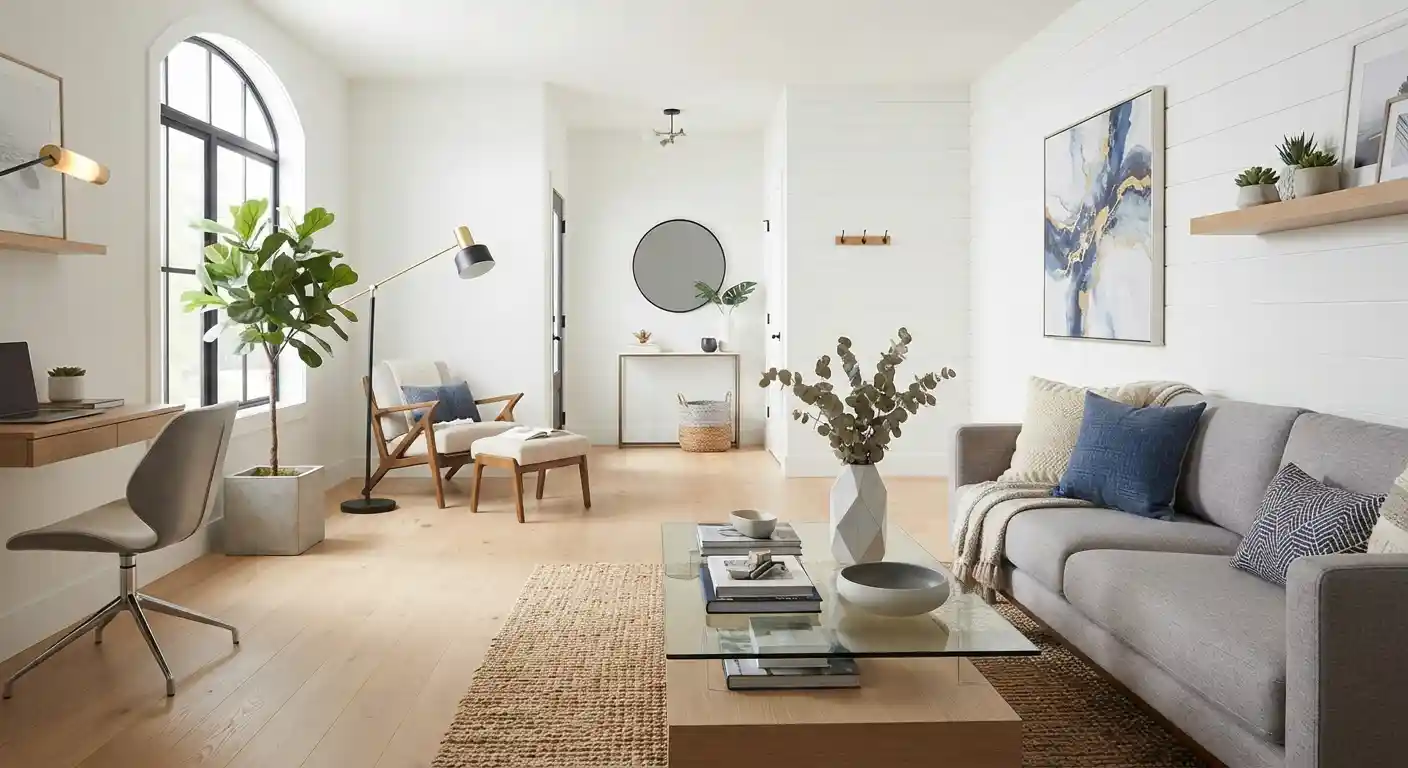

Refreshing your home does not always require a complete renovation or a major investment. Small, thoughtful changes can make a room feel brighter, more comfortable, and more contemporary. From updating furniture and lighting to introducing new textures and improving the layout, simple decoration choices can have a noticeable impact on the overall atmosphere.
A modern home should not only look attractive but also support the way you live. Comfortable furniture, practical layouts, balanced colors, and carefully selected accessories can help create an interior that feels both stylish and welcoming.
Begin With a Clear and Functional Layout
Before adding new furniture or decorations, take a look at how the room is currently arranged. A good layout should make movement easy while creating comfortable areas for relaxing, socializing, or entertaining.
Large furniture should not block natural pathways or windows. Instead, arrange key pieces around a central point such as a coffee table, television, fireplace, or feature wall. Leaving enough open space between furniture can also make the room feel larger.
If your current layout feels crowded, simply removing unnecessary pieces may be enough to create a fresher appearance.
Upgrade the Main Seating Area
The sofa is often one of the most important pieces in a living room because it influences both the appearance and comfort of the space. Replacing an outdated sofa with a more contemporary design can immediately refresh the room.
For homeowners who prioritize relaxation and everyday comfort, recliner sofas can combine practical seating with features designed for comfortable lounging. They can work particularly well in living rooms where relaxation is an important part of daily life.
When choosing a new sofa, consider the size of the room, existing colors, available walking space, and the overall interior style. A well-proportioned sofa can make a room feel balanced rather than overwhelming.
Introduce a Fresh Color Scheme
Changing the color palette is one of the easiest ways to give a home a new appearance. You do not necessarily need to repaint every wall. Even introducing new colors through cushions, curtains, rugs, artwork, and accessories can make a noticeable difference.
Neutral colors such as beige, cream, white, and soft gray provide a versatile foundation. They can be combined with warmer wood tones or stronger accent colors to create contrast.
For a modern appearance, try to maintain a consistent palette throughout the room. Too many unrelated colors can make the space feel visually busy.
Improve the Lighting
Lighting has a powerful effect on how a room looks and feels. Even beautifully decorated interiors can appear dull if they rely on a single harsh ceiling light.
A combination of overhead lighting, floor lamps, table lamps, and accent lighting can create more depth. Warm lighting is particularly effective in living rooms because it creates a comfortable evening atmosphere.
During the day, make the most of natural light by keeping windows clear and using curtains or blinds that allow daylight into the room.
Add Layers of Texture
A room can feel much more inviting when different textures are combined. Smooth furniture surfaces can be balanced with soft fabrics, woven accessories, wooden details, and textured rugs.
Cushions and throws are simple ways to introduce new textures without changing major furniture pieces. A rug can also help define the seating area and make the room feel more complete.
The key is balance. Using too many competing patterns and textures can make a room look cluttered, while a carefully selected combination can create depth and warmth.
Refresh the Walls
Walls provide an excellent opportunity to update a room without replacing furniture. Artwork, mirrors, photographs, shelving, and decorative wall panels can all contribute to a more modern appearance.
A large piece of artwork can act as a focal point above a sofa, while mirrors can help reflect light and create the impression of additional space.
If you prefer a minimalist style, choose fewer wall decorations and allow more empty space around each piece. This can create a cleaner and more sophisticated appearance.
Make Better Use of Natural Materials
Natural materials can add warmth to modern interiors. Wood, stone, rattan, linen, and natural fabrics can soften contemporary spaces and prevent them from feeling too sterile.
Wooden side tables, woven baskets, plant pots, or natural-fiber rugs can introduce organic details without requiring a complete redesign.
Indoor plants can also bring freshness and color into the room. Depending on the available space, they can be placed on shelves, tables, windowsills, or in larger floor planters.
Keep Clutter Under Control
Even a beautifully designed room can lose its appeal when surfaces become crowded with unnecessary items. Keeping clutter under control is therefore an important part of maintaining a modern home.
Use storage solutions to keep everyday objects organized and accessible. Decorative baskets, cabinets, shelves, and storage furniture can help maintain a clean appearance.
Instead of displaying everything you own, select a few meaningful or attractive pieces. This gives decorative items more visual impact while keeping the overall space organized.
Choose Furniture Based on Your Lifestyle
Furniture should reflect how a room is actually used. A family that spends most evenings watching television may prioritize comfortable seating, while someone who frequently entertains guests may need a more flexible arrangement.
This is why practical furniture choices are often more valuable than simply following the latest design trend. A stylish piece that does not suit your lifestyle may quickly become inconvenient.
Comfort-focused furniture can also contribute to a modern interior when its design is carefully coordinated with the rest of the room. For example, recliner sofas can provide a comfortable seating option while supporting a relaxed and functional living room design.
Create a Strong Focal Point
A room usually looks more organized when it has one clear focal point. This could be a sofa, fireplace, artwork, television wall, or architectural feature.
Once you identify the focal point, arrange other furniture and decorations so they support it. Avoid giving every item equal visual importance, as this can make the room feel unbalanced.
A well-positioned focal point can also make decorating decisions easier because colors, lighting, and accessories can be selected around it.
Use Accessories Carefully
Accessories can give a room personality, but they should be selected with intention. Cushions, vases, candles, books, artwork, and decorative objects can all add character.
Rather than choosing accessories individually without considering the rest of the room, look for pieces that share colors, materials, or design characteristics.
This creates a more cohesive appearance and prevents the room from looking like a collection of unrelated objects.
Bring More Flexibility Into the Room
Modern homes often need to accommodate different activities. A living room may be used for relaxing, watching movies, working, reading, entertaining guests, or spending time with family.
Flexible furniture can make it easier to adapt the room throughout the day. Seating with adjustable features can provide additional comfort, while movable tables and lightweight accent furniture can make rearranging easier.
The goal is to create a room that can change according to your needs without sacrificing its overall appearance.
Avoid Following Every Trend
Trends can provide useful inspiration, but a home does not need to follow every new decorating style. Constantly replacing furniture and accessories can become expensive and may result in an inconsistent interior.
Instead, focus on timeless foundations such as comfortable furniture, quality materials, balanced colors, and practical layouts. Trend-based elements can then be introduced through smaller and easier-to-change accessories.
This approach allows your home to remain contemporary without becoming dependent on short-lived styles.
Add Personal Details
The most successful interiors often reflect the personalities of the people who live in them. Personal photographs, artwork, books, travel memories, and favorite decorative objects can make a room feel more authentic.
A modern home does not have to look like a showroom. Personal details create warmth and help transform a decorated space into a genuine home.
Try to display items that have meaning rather than simply filling empty surfaces. A few carefully chosen personal pieces can have much more impact than a large collection of decorations.
Make Small Changes Over Time
You do not need to redesign your entire home in one weekend. Making smaller changes over time can help you determine what works best for your space and lifestyle.
Start with the areas that have the biggest visual impact, such as seating, lighting, wall decoration, or color. Once these elements are established, smaller accessories can be added to complete the look.
Taking a gradual approach also gives you more flexibility to adjust your design as your preferences change.
Final Thoughts
Giving your home a fresh and modern look is often about making thoughtful improvements rather than completely changing everything. A functional layout, comfortable furniture, balanced colors, better lighting, natural materials, and carefully selected accessories can work together to create a more attractive and practical interior.
The most important principle is to design your home around the way you actually live. When style and functionality work together, even simple updates can make a significant difference. By choosing furniture and decoration with both comfort and appearance in mind, you can create a modern living space that remains welcoming and enjoyable for years to come.
Meta Title:
Meta Description: .