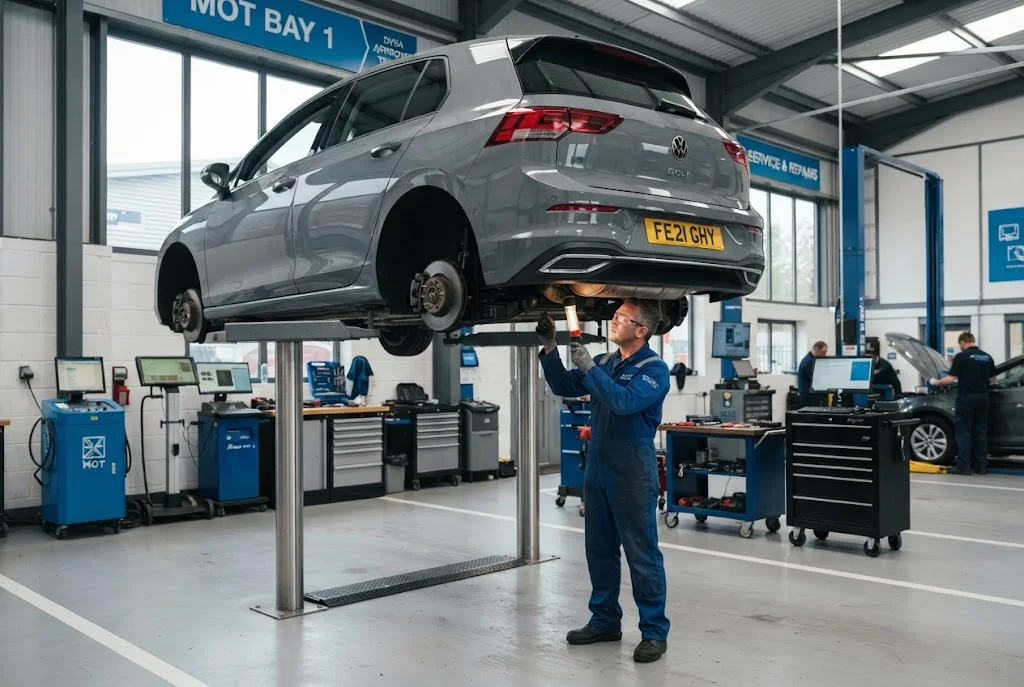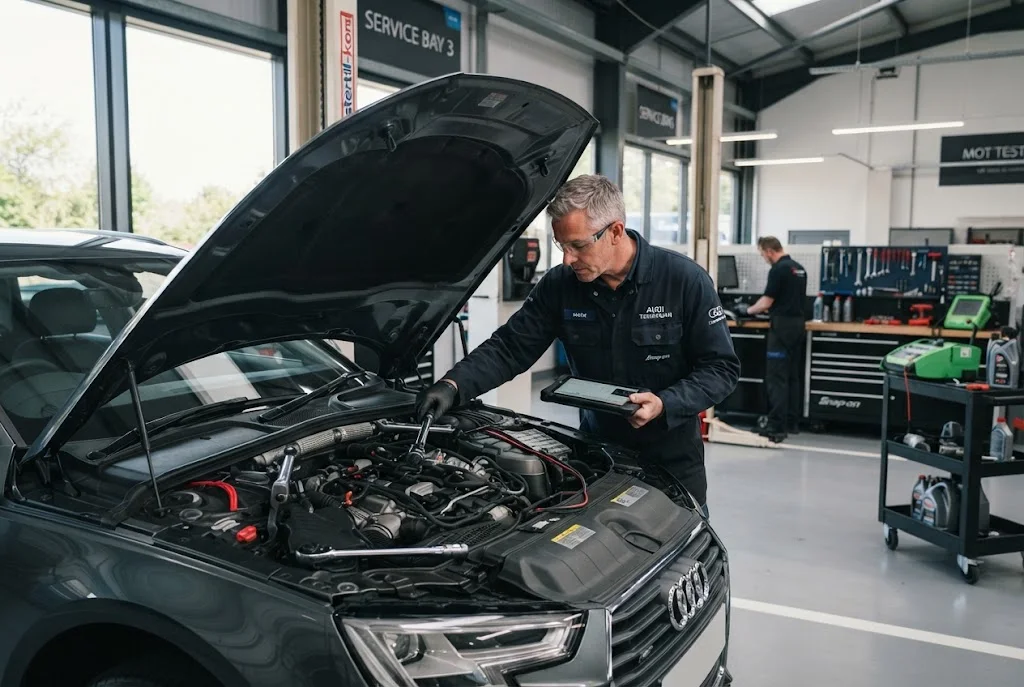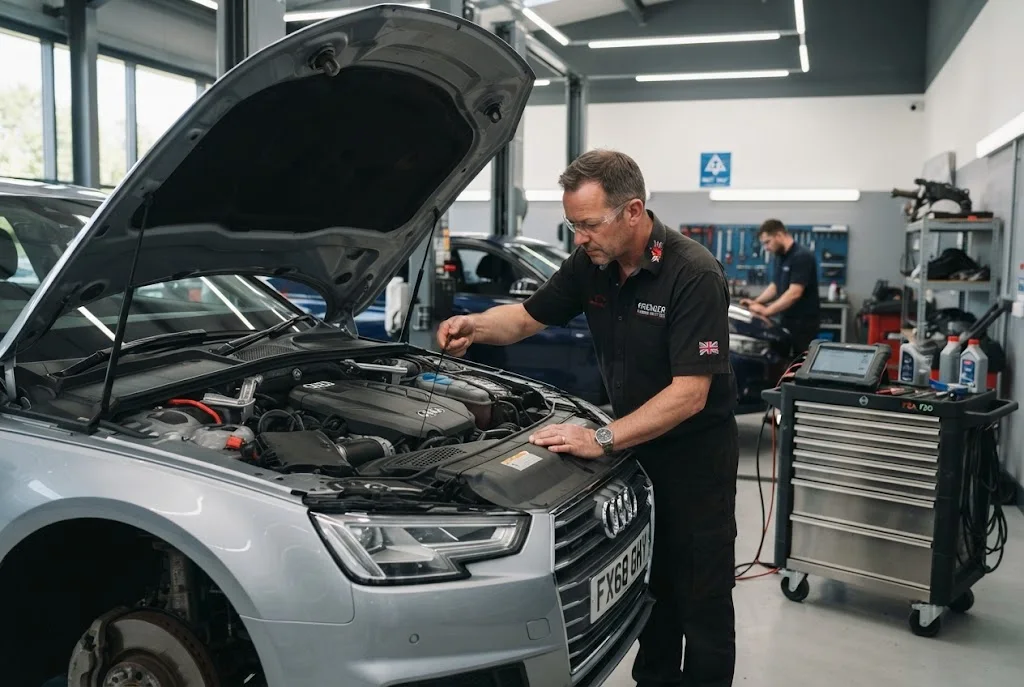
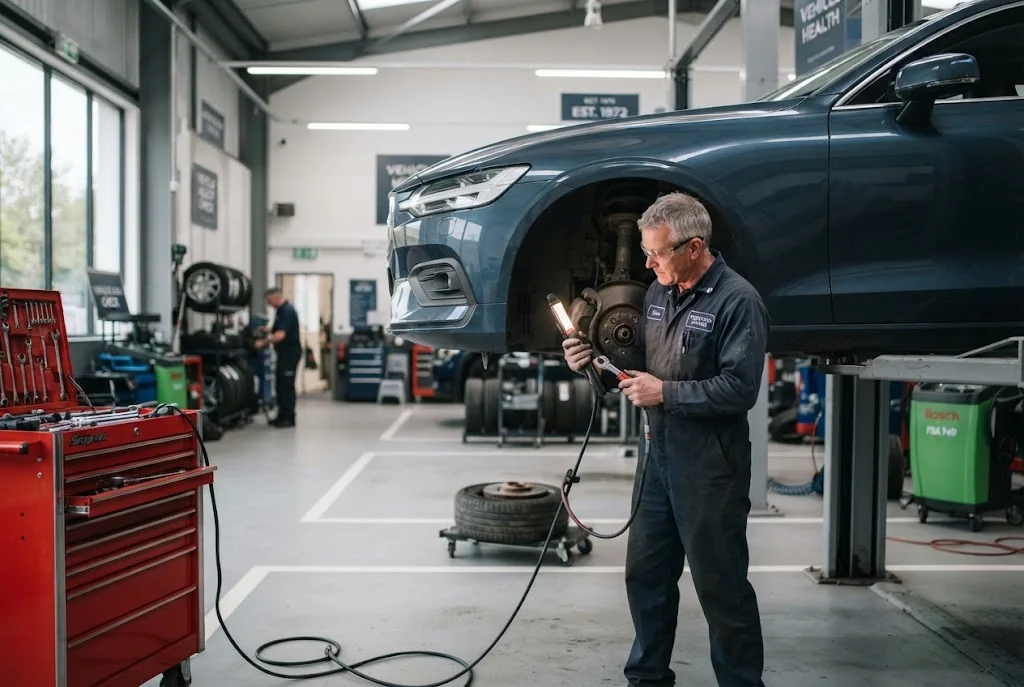

Regular car servicing is an important part of responsible vehicle ownership in the UK. While an MOT checks whether a vehicle meets specific legal safety and environmental requirements at the time of testing, servicing takes a broader approach to the condition and maintenance of the car. A structured service schedule can help identify wear, maintain essential systems and support dependable everyday driving.
Whether you drive a newer family car, a high-mileage commuter vehicle or a premium model, understanding the difference between an interim service, a full car service and other maintenance work can make it easier to plan vehicle care. It can also help you communicate more effectively with a garage and understand which work is recommended for your particular vehicle.
What Is Car Servicing?
Car servicing is a planned inspection and maintenance process designed to assess and maintain a vehicle according to its condition, mileage, age and manufacturer recommendations. Unlike an MOT, which is a statutory test, servicing is part of ongoing vehicle maintenance.
The exact work carried out depends on the vehicle and the type of service booked. A service may include checks and replacements involving items such as engine oil, filters, fluids, brakes, tyres, steering, suspension, lights and other components.
Modern vehicles can also require electronic diagnostics and checks of vehicle-specific systems. For this reason, professional servicing should be matched to the manufacturer’s requirements rather than treated as a generic checklist that applies identically to every car.
Why Car Servicing Matters
A service gives a technician an opportunity to assess the condition of components that may gradually wear or deteriorate during normal driving. Identifying an issue early can make maintenance easier to plan and may prevent a developing problem from becoming more disruptive.
Servicing can also help owners keep track of recurring maintenance requirements. When servicing is recorded consistently, the vehicle has a clearer maintenance history, which can be useful when planning future work or discussing the car’s condition with a prospective buyer.
However, servicing does not replace routine driver checks. Motorists should continue to monitor items such as tyres, lights, fluids and warning indicators between professional appointments.
Understanding the Car Service Schedule
Every vehicle has its own recommended service requirements. These may be based on mileage, elapsed time, driving conditions or a combination of factors. The manufacturer’s handbook or official service information should therefore be the starting point when determining when a service is due.
Some vehicles use fixed service intervals, while others use variable or condition-based systems. The appropriate interval can also depend on how the vehicle is used. Frequent short journeys, heavy loads, extensive urban driving or other demanding conditions can affect maintenance requirements.
Drivers should avoid relying solely on an annual MOT date to determine when servicing is due. An MOT and a service serve different purposes, so keeping both schedules up to date is part of effective vehicle care.
For a broader look at ongoing maintenance, see our vehicle maintenance guide.
Interim Service vs Full Car Service
One of the most common questions about car servicing is whether a vehicle needs an interim service or a full service. The answer depends on the manufacturer’s recommendations, mileage, previous maintenance and how the vehicle is used.
What Is an Interim Service?
An interim service is generally a more limited maintenance appointment intended for vehicles that require attention between more comprehensive scheduled services. Depending on the vehicle and garage, it may include an engine oil and filter change together with a range of essential checks.
It is particularly relevant where the manufacturer’s maintenance programme calls for more frequent oil and condition checks than the interval for a comprehensive service.
Drivers should always confirm what an interim service includes before booking because service packages can differ between garages and vehicle manufacturers.
What Is a Full Car Service?
A full car service is a more comprehensive inspection and maintenance appointment. The exact checklist varies, but it may cover engine oil and filters, fluid levels, brakes, tyres, steering, suspension, lights, battery condition and other components relevant to the vehicle.
A full service does not automatically mean every possible component will be replaced. Instead, the technician assesses the relevant systems and carries out scheduled maintenance or identifies additional work where necessary.
For drivers comparing service options, understanding the actual checklist is more useful than choosing a package based solely on its name.
What Does Professional Servicing Include?
The contents of a professional service vary according to the vehicle, service level and manufacturer requirements. Common areas of inspection can include:
- Engine oil and oil filter
- Air and other applicable filters
- Brake condition
- Tyre condition and pressures
- Lights and electrical systems
- Fluid levels and visible leaks
- Steering and suspension components
- Battery condition
- Windscreen, wipers and washers
- Exhaust and emissions-related components
- Dashboard warning lights
- Manufacturer-specific service items
Some maintenance items are replaced according to a scheduled interval rather than whenever a technician happens to find them worn. Timing belts, for example, can have manufacturer-specific replacement recommendations. Drivers should therefore check the service requirements for their exact engine and vehicle rather than assuming that one interval applies to every model.
Car Servicing and Vehicle Reliability
Vehicle reliability depends on many factors, including design, age, mileage, driving conditions and maintenance history. Regular servicing cannot guarantee that a car will never develop a fault, but it provides a structured opportunity to inspect important systems and keep scheduled maintenance under control.
This is particularly useful for vehicles that are used frequently. A commuter who covers substantial mileage may reach service intervals more quickly than someone who drives occasionally, while a vehicle used mainly for short urban journeys can experience different operating conditions.
Good servicing records can also help establish what work has already been completed. This reduces uncertainty when planning future maintenance and gives technicians useful background when assessing the vehicle.
When Should You Book Car Servicing?
The manufacturer’s service schedule should determine the normal timing of routine servicing. However, drivers should not wait for the next scheduled service if the vehicle develops a noticeable problem.
Professional attention may be appropriate when you notice:
- A dashboard warning light
- Unusual engine or drivetrain noises
- Changes in braking performance
- New steering or suspension symptoms
- Unexpected vibration
- Unusual exhaust behaviour
- Fluid leaks
- Reduced or inconsistent vehicle performance
- Repeated battery or starting problems
- Changes in fuel or energy consumption that appear unusual
Some symptoms may have several possible causes, so drivers should avoid assuming that a particular component has failed without a professional assessment.
Car Servicing and MOT: What’s the Difference?
Car servicing and MOT testing are often discussed together, but they have different purposes. An MOT is a legal test for vehicles that are required to undergo one, while servicing is broader preventative and maintenance work.
A vehicle can have a current MOT and still require maintenance. Conversely, completing a service does not automatically mean that the vehicle has passed its MOT. Keeping both processes separate helps drivers understand their respective roles in vehicle ownership.
The official GOV.UK MOT guidance provides information about MOT requirements and testing, while the Driver and Vehicle Standards Agency publishes inspection guidance used by MOT testers.
For drivers who want to understand the two processes together, our MOT and service guide explains how servicing and statutory testing fit into a wider vehicle-care plan.
Choosing a Professional Car Servicing Provider
The quality and suitability of the workshop matter when arranging servicing. Drivers should look for a provider that understands the vehicle being serviced and can carry out the required work using appropriate equipment and procedures.
Before booking, ask what is included in the service package. A clear quotation should explain the planned work and identify whether parts, fluids, labour and other charges are included.
It is also sensible to ask how the garage handles additional repairs. If a technician discovers a worn component during servicing, the owner should understand what has been found and whether the additional work is urgent, recommended or suitable for future planning.
Our trusted mechanics guide provides further considerations for evaluating a professional automotive workshop.
Manufacturer Servicing and Independent Garages
UK motorists have a range of options when arranging vehicle maintenance. Manufacturer-authorised facilities provide brand-specific services, while independent garages may offer servicing for a broad selection of makes and models. Specialist workshops can also be useful for particular vehicle types or technical requirements.
The important consideration is whether the chosen provider can carry out the required work correctly and provide appropriate documentation. Drivers should check the workshop’s experience with their vehicle and understand the servicing procedures being offered.
For newer or technically complex vehicles, it can be particularly useful to confirm whether the garage has the diagnostic equipment and technical knowledge needed for the model.
Car Servicing for Older and High-Mileage Vehicles
Older vehicles can require a more considered approach to maintenance because age-related wear may affect components even when annual mileage is relatively low. High-mileage cars may also have accumulated greater wear across brakes, suspension, cooling systems, steering components and other parts.
A service provides an opportunity to identify these issues, but owners should also consider the vehicle’s previous maintenance history. If records are incomplete, a technician may need to establish the current condition of key systems before future maintenance can be planned confidently.
Rather than automatically replacing components based on age or mileage alone, owners should use manufacturer recommendations, inspection results and professional advice to determine appropriate maintenance.
Keeping Better Servicing Records
A complete service history can make vehicle ownership easier to manage. Keep invoices, service records and relevant maintenance documentation together, whether they are stored digitally or in physical form.
Useful records can include the service date, mileage, work completed, parts replaced and any recommendations for future maintenance. If a garage identifies work that does not need immediate attention, recording the recommendation can help you revisit it later.
Good records also give a future owner a clearer picture of how the vehicle has been maintained. This can be particularly useful when selling a vehicle.
How to Prepare for a Car Service
Before taking the vehicle to a garage, check the service history and note any changes you have noticed since the previous appointment. Making a short list of symptoms can help the technician understand what needs investigation.
It can be useful to mention unusual noises, warning lights, starting problems, changes in braking or steering, fluid leaks and any recent repairs. If the car has specific requirements or modifications, these should also be communicated to the workshop.
After the service, review the documentation and ask about any recommended future work. Understanding what was completed and what may need attention later makes maintenance planning more straightforward.
Car Servicing as Part of Long-Term Ownership Planning
Good servicing is most effective when it forms part of a wider maintenance strategy. Drivers can combine scheduled services with routine checks and timely repairs to maintain a clearer picture of the vehicle’s condition.
Planning ahead can also make ownership costs easier to manage. Instead of treating every repair as an unexpected event, owners can monitor scheduled maintenance and prepare for larger items when manufacturer intervals indicate that they are approaching.
This approach supports more informed decisions throughout the vehicle’s life, whether the goal is reliable daily transportation, maintaining a family car or preserving the condition of a premium vehicle.
Final Thoughts on Car Servicing
Car servicing is a central part of responsible vehicle maintenance in the UK. It provides an organised opportunity to inspect important systems, complete scheduled maintenance and identify issues that may require further attention.
The right service depends on the individual vehicle. Drivers should follow the manufacturer’s recommended schedule, understand the difference between interim and full servicing, keep accurate records and choose a workshop with appropriate expertise.
Most importantly, servicing should not be viewed as a substitute for everyday vehicle checks or MOT testing. These are separate parts of responsible vehicle ownership. When they are combined with timely professional repairs and sensible maintenance planning, they provide a stronger foundation for safe, reliable and predictable motoring.