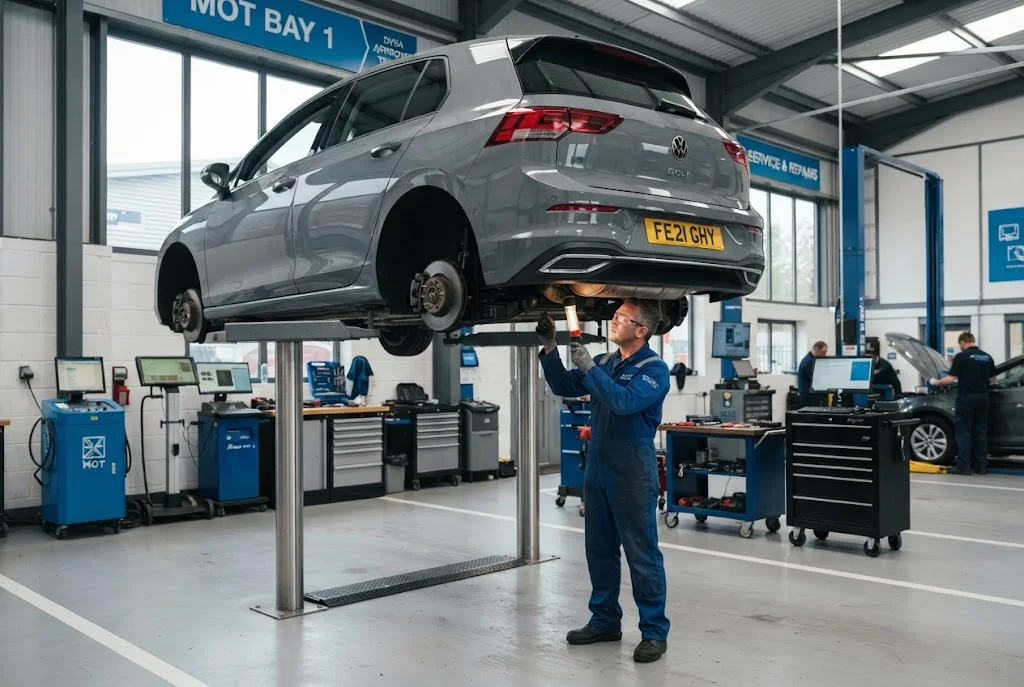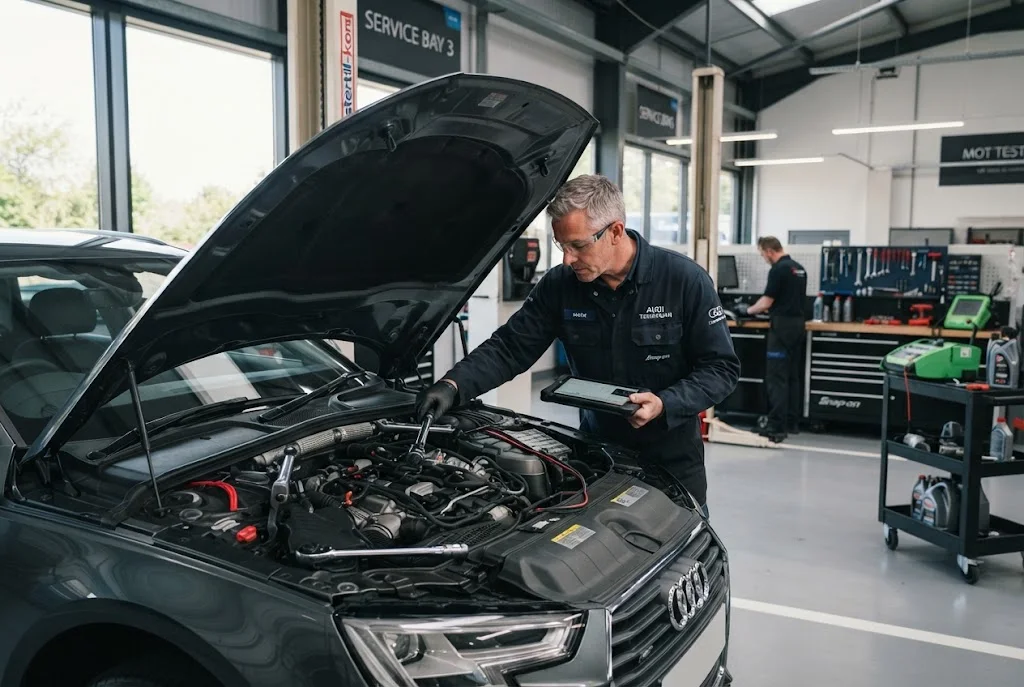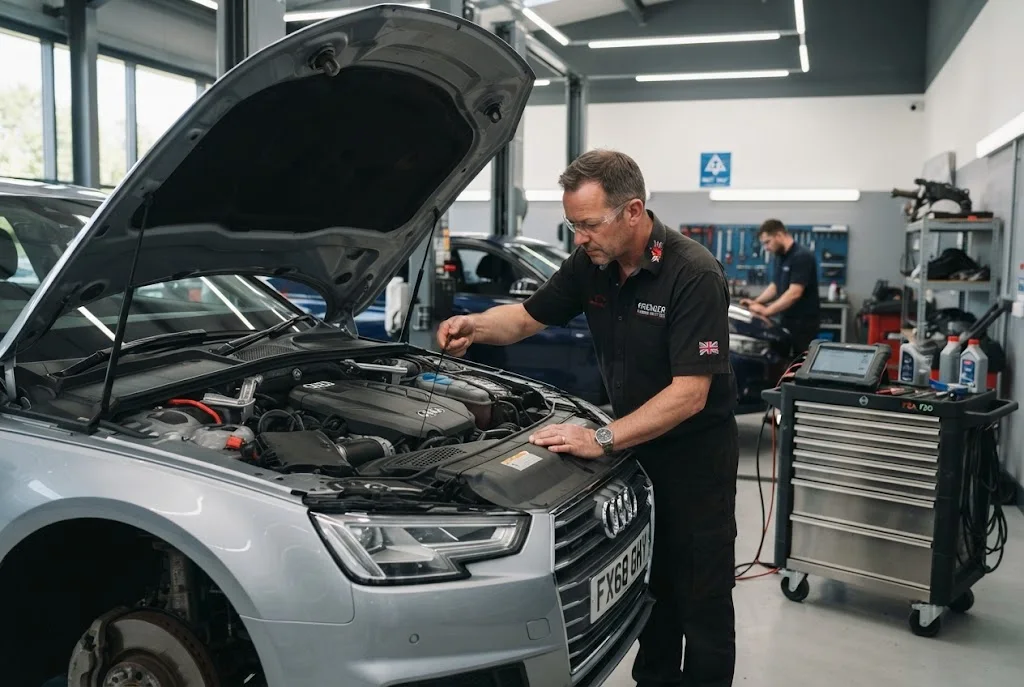
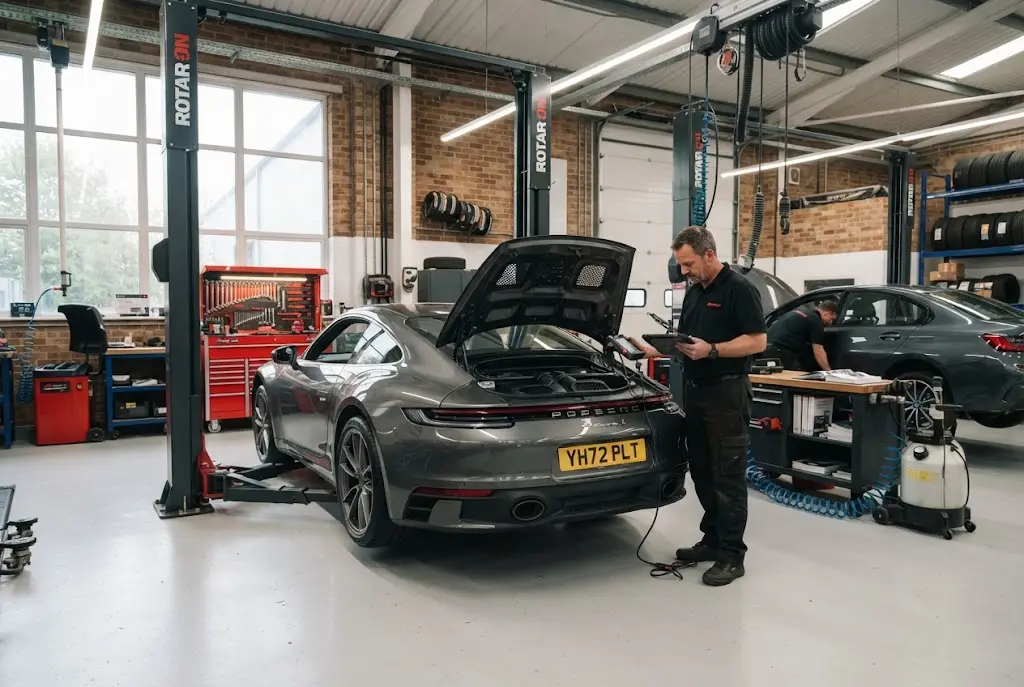

Professional auto services play an important role in keeping vehicles safe, reliable and ready for everyday driving. From routine inspections and servicing to diagnostics, repairs, tyres, brakes and specialist maintenance, the right automotive support can help drivers identify problems early and manage the long-term condition of their vehicles.
For UK motorists, vehicle care is about more than simply passing an MOT. An MOT is a statutory test covering specific safety and environmental requirements, while ongoing maintenance helps keep a vehicle roadworthy between tests. GOV.UK also makes clear that drivers remain responsible for ensuring their vehicles are safe to drive, even when they have a current MOT certificate.
What Are Auto Services?
Auto services cover a broad range of professional work carried out to inspect, maintain, diagnose, repair and care for vehicles. The exact services available vary between garages, manufacturers and specialist workshops, but the overall objective is to keep a vehicle operating safely and reliably.
Common auto services can include:
- Routine vehicle servicing
- Preventive maintenance
- Vehicle diagnostics
- Brake inspections and repairs
- Tyre checks and replacement
- Battery testing and replacement
- Steering and suspension work
- Wheel alignment
- Air-conditioning servicing
- Electrical diagnostics and repairs
- Transmission maintenance
- Hybrid and electric vehicle servicing
- MOT-related inspections and preparation
Because modern vehicles combine mechanical, electrical and software-controlled systems, professional automotive expertise has become increasingly important. A suitable workshop should have the equipment, training and experience needed for the specific vehicle and type of work involved.
Why Professional Auto Services Matter
Regular professional attention can help identify developing problems before they become more serious. A small issue with a tyre, brake component, fluid level or suspension part may initially produce only a minor symptom, but delaying an appropriate inspection can allow wear or damage to progress.
Professional maintenance also provides an opportunity to assess components that drivers may not routinely inspect themselves. Technicians can examine areas such as brakes, suspension, steering, fluids and electronic systems according to the vehicle manufacturer’s requirements.
The UK Government advises motorists to make regular checks of important safety-related items, including lights, brakes, tyres, windows and mirrors. Vehicle handbooks also provide information about checking fluids and when the vehicle should be serviced.
For a more detailed look at routine upkeep, drivers can also explore our guide to auto maintenance services.
Types of Auto Services for Different Vehicle Needs
Not every vehicle requires the same type of professional attention. The appropriate service depends on factors such as the vehicle’s age, mileage, manufacturer, condition, driving pattern and any symptoms it is experiencing.
Routine Servicing
Routine servicing is designed to keep scheduled maintenance up to date. Depending on the vehicle and service level, this may involve oil and filter replacement, fluid checks, brake inspections, tyre checks, battery assessment and other manufacturer-recommended procedures.
Following the recommended service schedule can help owners plan maintenance rather than waiting for problems to develop. It also creates a documented service history that can be useful when the vehicle is eventually sold.
Diagnostic Services
Modern cars rely heavily on electronic control systems. When a warning light appears or a vehicle develops an unusual fault, diagnostic equipment can provide technicians with useful information about stored fault codes and system behaviour.
However, a diagnostic code should not automatically be treated as the complete diagnosis. Professional technicians need to interpret the information and investigate the underlying cause before recommending repairs.
Repair and Corrective Work
Some auto services are required because a component has worn, failed or become damaged. Repairs may involve brakes, suspension, steering, exhaust components, cooling systems, electrical systems, transmissions or other vehicle components.
When a significant repair is recommended, motorists should ask what has failed, why the work is required, what parts will be used and what the quoted price includes. Clear communication can make it easier to understand the difference between urgent repairs and maintenance that can be planned for a later date.
Tyre and Wheel Services
Tyres are fundamental to braking, steering and road grip. Professional tyre services can include inspections, pressure checks, fitting, balancing and replacement. Wheel alignment may also be appropriate when a vehicle develops uneven tyre wear, steering changes or other relevant symptoms.
Wheel alignment is only one part of vehicle care, however. Worn suspension or steering components may need attention before alignment can properly address the underlying issue. Drivers can learn more about this area in our wheel alignment guide.
Auto Services and Vehicle Maintenance
Vehicle maintenance should be treated as an ongoing process rather than a single annual appointment. Some checks are performed during scheduled servicing, while other items need attention according to mileage, time, vehicle condition or manufacturer instructions.
A useful maintenance approach combines routine servicing with awareness of changes in the vehicle’s behaviour. Unusual noises, warning lights, vibration, changes in steering, abnormal tyre wear, brake symptoms or unexpected fluid leaks can all justify professional investigation.
Keeping a complete record of servicing and repairs can also make future maintenance easier. A documented history helps technicians understand previous work and gives owners a clearer picture of what has already been replaced or inspected.
For drivers researching their vehicle’s records, our guide on checking the service history of a car explains why maintenance documentation can be valuable.
Choosing Trusted Mechanics and a Suitable Workshop
Choosing a workshop should involve more than selecting the nearest garage or the lowest advertised price. The right provider should be capable of handling the particular vehicle and work required.
Before booking, consider the following:
- Does the workshop regularly work on your make and model?
- Does it provide the specific service you need?
- Does it have appropriate diagnostic and workshop equipment?
- Do technicians have relevant experience or specialist training?
- Are quotations clear about parts, labour and additional charges?
- Will the workshop explain additional work before carrying it out?
- Will you receive an itemised invoice and service documentation?
Different workshops can have different strengths. Independent garages may provide a local and personalised service, while manufacturer-authorised facilities may offer brand-specific procedures and equipment. Specialist workshops can be particularly useful for complex systems or particular vehicle types.
Our guide to automotive service companies in the UK provides more information about independent garages, authorised workshops, repair specialists and larger service networks.
Premium Servicing for Modern Vehicles
Premium servicing is not simply about paying for a more expensive service package. It should mean receiving an appropriate level of technical attention, communication and care for the vehicle involved.
Premium and technologically advanced vehicles can contain sophisticated electronics, advanced driver-assistance systems, complex transmissions and specialised powertrains. A workshop working on such a vehicle should understand the manufacturer’s procedures and have suitable equipment for the job.
Owners of premium vehicles should also consider the importance of accurate service records. Maintaining evidence of professional servicing can help demonstrate how the vehicle has been cared for throughout its ownership.
Auto Services for Hybrid and Electric Vehicles
The growth of hybrid and electric vehicles is changing the skills required within the automotive industry. These vehicles still require attention to familiar components such as tyres, brakes, steering and suspension, but they also contain high-voltage electrical systems and vehicle-specific technology.
Not every workshop is equipped to perform every type of EV or hybrid repair. Before booking specialist work, motorists should confirm that technicians have the appropriate training, equipment and experience for the vehicle concerned.
Electric vehicles may have fewer combustion-engine components, but they are not maintenance-free. Battery systems, thermal management, brakes, tyres, suspension, steering and electronic systems still require appropriate attention.
Our EV servicing guide provides further information about electric vehicle maintenance, high-voltage systems and choosing an appropriate service centre.
How Auto Services Support Vehicle Reliability
Vehicle reliability is influenced by many factors, including design, age, mileage, driving conditions and maintenance history. No service can eliminate every possible mechanical failure, but consistent maintenance can help identify developing issues and keep scheduled work under control.
Drivers covering high annual mileage may need to pay particular attention to maintenance because components such as tyres, brakes, filters and suspension parts experience ongoing use. However, mileage should not be considered in isolation. Driving conditions and maintenance history also provide important context.
A structured maintenance plan can therefore help owners anticipate upcoming work instead of responding only when a warning light or breakdown occurs.
Auto Services, MOTs and Roadworthiness
An MOT is an important part of vehicle ownership in the UK, but it should not be confused with routine servicing. The MOT test checks whether a vehicle meets the required standards at the time of testing, while servicing and maintenance address the wider condition of the vehicle.
GOV.UK explains that a vehicle can be unsafe to drive even when it has a current MOT certificate. The official guidance recommends regular checks of items such as lights, brakes, tyres, fluids and other safety-related components.
The Driver and Vehicle Standards Agency publishes the MOT inspection manual and associated guidance used for statutory testing. The current manual covers areas including brakes, tyres, suspension, bodywork, emissions and other components relevant to the test.
For authoritative information, motorists should refer to the UK Government guidance on checking whether a vehicle is safe to drive and the current DVSA MOT inspection guidance.
When Should You Book Auto Services?
The correct timing depends on the vehicle and the type of work required. Manufacturer service schedules should be the starting point for routine maintenance because they are designed around the specific vehicle.
Drivers should also arrange professional attention when they notice symptoms that could indicate a fault. These can include:
- Dashboard warning lights
- Unusual engine or drivetrain noises
- Changes in braking performance
- Steering that feels different from normal
- Uneven or rapid tyre wear
- Unusual vibration
- Fluid leaks
- Unexpected changes in vehicle performance
- Repeated starting or battery problems
- Charging problems on electric vehicles
Early investigation does not necessarily mean an expensive repair is required. It simply gives a technician the opportunity to establish what is happening and determine whether action is needed.
Building a Long-Term Vehicle Care Plan
A practical vehicle care plan should combine scheduled servicing, regular driver checks and timely professional repairs. Keeping invoices and maintenance records in one place can make the process easier and help establish a useful history of the vehicle.
Owners can also monitor mileage and time-based service requirements, check tyres and lights regularly, and pay attention to changes in vehicle behaviour. When specialist work is required, selecting a workshop with the right technical capability is particularly important.
Good vehicle care is ultimately about consistency. Rather than waiting for a major failure, motorists can use professional auto services as part of a broader approach to preventive maintenance and responsible ownership.
Final Thoughts on Auto Services
Professional auto services cover much more than emergency repairs. They include routine servicing, diagnostics, preventive maintenance, tyres, brakes, suspension, electrical systems, specialist repairs and support for increasingly advanced hybrid and electric vehicles.
For UK drivers, the most effective approach is to follow the manufacturer’s maintenance recommendations, respond promptly to unusual symptoms and choose workshops with appropriate expertise and equipment. Regular professional attention can help maintain vehicle reliability, support safety and make ownership more predictable.
Whether a vehicle needs routine servicing, specialist diagnostics or corrective repairs, the quality of the workshop and the suitability of the work matter. By treating vehicle care as an ongoing responsibility rather than an occasional expense, motorists can better protect their vehicles throughout their ownership.