
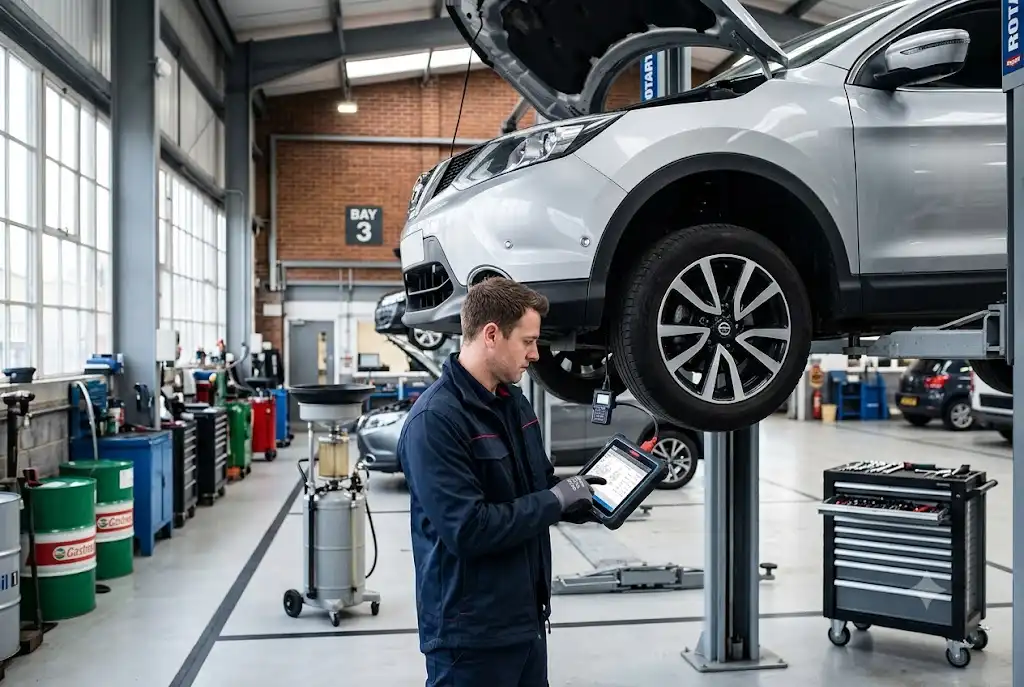

Regular auto maintenance services play a vital role in keeping your vehicle safe, reliable, and efficient throughout the year. Whether you use your car for commuting, business travel, family trips, or long motorway journeys, routine maintenance helps prevent costly repairs and reduces the risk of unexpected breakdowns.
Many drivers focus only on MOT requirements, but servicing and preventative maintenance are equally important. From oil changes and filter replacements to transmission checks and wiper inspections, small maintenance tasks can significantly extend the lifespan of your vehicle.
Why Auto Maintenance Services Matter
Modern vehicles contain complex mechanical and electronic systems that require regular attention. Ignoring maintenance schedules can lead to reduced performance, lower fuel efficiency, and expensive repairs.
Professional auto maintenance services help identify potential issues before they become major problems. Regular inspections also improve vehicle reliability and may help preserve resale value.
Drivers who keep detailed service records often find it easier when they later need to check a vehicle’s service history or provide evidence of proper maintenance to future buyers.
Book an Oil Change Before Problems Develop
Engine oil lubricates moving components, reduces friction, and helps regulate engine temperature. Over time, oil degrades and becomes contaminated with dirt and debris.
One of the most important maintenance tasks is to understand fluid maintenance requirements and schedule regular oil changes according to manufacturer recommendations.
Many drivers search for opportunities to book an oil change during routine servicing because it is one of the most cost-effective ways to protect an engine.
Delaying oil replacement can increase engine wear and may eventually result in costly repairs.
Finding a Cheap Oil Change Without Sacrificing Quality
While affordability matters, choosing a cheap oil change should not mean compromising on quality. Reputable service centres use manufacturer-approved oils and filters that meet the specifications required for your vehicle.
Always verify that the correct oil grade is being used and ensure the oil filter is replaced during the service.
Understanding Car Engine Oil Capacity
Every vehicle has a specific car engine oil capacity determined by its engine size and design. Adding too little oil can increase wear, while overfilling may cause pressure-related issues.
Vehicle owners should refer to the owner’s manual or consult qualified technicians before topping up engine oil.
Knowing your engine oil capacity also helps when monitoring consumption between scheduled services.
The Importance of Car Transmission Oil
Many motorists focus on engine oil while overlooking car transmission oil. The transmission system relies on specialised fluid to lubricate components, assist gear changes, and control operating temperatures.
Transmission fluid deteriorates over time and may require replacement according to manufacturer service intervals.
Drivers experiencing rough gear changes, delayed shifting, or unusual transmission noises should have their vehicle inspected promptly.
You can learn more about transmission maintenance in our detailed guide on car transmission oil.
Why You Should Change Pollen Filter Regularly
A cabin pollen filter helps remove dust, dirt, pollen, and airborne contaminants before they enter the vehicle’s interior.
Many drivers forget to change pollen filter elements during routine servicing, but doing so can improve cabin air quality and ventilation performance.
A blocked filter may reduce airflow from the heating and air conditioning system and can contribute to unpleasant odours inside the vehicle.
Service technicians often recommend replacement annually or according to manufacturer guidelines.
How Often Should You Change Car Wipers?
A common maintenance question is: how often should you change car wipers?
Wiper blades are exposed to rain, sunlight, frost, road grime, and temperature changes throughout the year. As rubber deteriorates, visibility can suffer during adverse weather conditions.
Most automotive specialists recommend inspecting wiper blades regularly and replacing them whenever signs of wear appear.
Common warning signs include:
- Streaking across the windscreen
- Skipping or juddering movement
- Squeaking noises
- Split or damaged rubber edges
- Reduced visibility during rain
For many vehicles, replacement every 6 to 12 months is a practical guideline, although actual lifespan depends on usage and weather conditions.
Additional Maintenance Checks Worth Scheduling
Professional auto maintenance services often include a range of preventative inspections beyond oil and filter replacement.
Common checks include:
- Brake system inspections
- Battery condition testing
- Tyre tread and pressure checks
- Suspension component inspections
- Lighting and electrical system checks
- Coolant level verification
- Steering system evaluation
Addressing minor concerns early is usually far less expensive than waiting for major failures to occur.
Following Manufacturer Service Schedules
Every vehicle manufacturer provides maintenance recommendations based on mileage and time intervals. Following these schedules helps ensure components are replaced before excessive wear develops.
Maintaining accurate service records also becomes valuable when assessing vehicle ownership costs and can support future warranty or resale requirements.
Drivers considering premium brands may also benefit from understanding the cost of servicing a Mercedes or comparing maintenance requirements across different vehicle manufacturers.
Choosing a Trusted Service Centre
Selecting an experienced automotive service provider is just as important as following maintenance schedules. Qualified technicians can identify issues that may not be obvious during daily driving and ensure replacement parts meet manufacturer standards.
The UK government also provides useful guidance on vehicle safety, MOT requirements, and roadworthiness through the official driving and transport resources.
Final Thoughts
Auto maintenance services are an essential investment in vehicle safety, reliability, and long-term ownership costs. Regular oil changes, transmission servicing, pollen filter replacement, and wiper inspections can help prevent avoidable problems while keeping your vehicle performing at its best.
By following manufacturer recommendations and working with trusted automotive professionals, UK drivers can enjoy greater peace of mind and potentially reduce costly repair bills in the future.
Understanding the critical nature of routine auto maintenance extends beyond just immediate vehicle performance; it also encompasses long-term value and reliability, especially for premium brands like BMW. A comprehensive service history not only serves as a testament to the vehicle’s upkeep but also significantly influences its resale value. When contemplating future purchases or trades, prospective buyers often seek transparency regarding maintenance practices. This is where knowing how to effectively bmw check service history becomes invaluable. By ensuring that your vehicle’s records are meticulously documented and verified, you can enhance its market appeal while safeguarding against potential repair-related pitfalls down the line. Thus, maintaining a well-documented service history is not just about compliance; it is a strategic approach to preserving your investment.
Understanding the relationship between regular maintenance and vehicle longevity is crucial for UK drivers, especially when considering how factors like usage patterns and driving habits can influence the overall health of a car. For instance, the average mileage uk car per year plays a significant role in determining the frequency and type of maintenance services required. Cars that are driven more frequently may experience wear and tear at an accelerated rate, necessitating a more rigorous servicing schedule. In contrast, vehicles with lower annual mileage can often adhere to standard maintenance intervals. By taking into account these mileage metrics, drivers can make informed decisions that not only enhance their vehicle’s performance but also optimize ownership costs and improve resale value over time.