
Keeping a property in good condition requires more than dealing with problems when they become urgent. Regular home maintenance services can help UK homeowners identify developing issues, keep essential systems working properly and maintain a safer, more comfortable living environment. From routine house maintenance to minor repairs and preventative property care, a structured approach can reduce the disruption caused by unexpected problems.
Every home has different maintenance requirements. The age of the property, its construction, heating system, appliances and outdoor areas can all influence what needs attention. Understanding the basics of property maintenance can help homeowners decide which tasks they can manage themselves and when professional assistance is appropriate.
What Are Home Maintenance Services?
Home maintenance services cover a broad range of tasks intended to keep residential properties functional, safe and in suitable condition. Depending on the provider, services can include routine inspections, minor repairs, plumbing work, electrical maintenance, heating-related support, exterior upkeep and other household tasks.
Maintenance is different from emergency repair. A maintenance visit is generally planned in advance, while an emergency service responds to an unexpected problem requiring urgent attention. Both can form part of a wider property care strategy.
For homeowners, the main benefit of planned maintenance is that it creates an opportunity to identify issues before they become more disruptive or expensive to address.
Why Regular House Maintenance Matters
Homes naturally experience wear and tear. Roofs are exposed to changing weather, plumbing systems are used every day, heating equipment ages and fixtures can gradually deteriorate. Ignoring small warning signs can sometimes allow a manageable issue to develop into a larger repair.
Regular house maintenance can help homeowners keep track of these changes. It may involve checking areas of the property, arranging servicing where appropriate and dealing with minor defects before they become significant.
Maintenance can also support comfort and efficiency. A well-maintained home is generally easier to manage because faults are less likely to appear as complete surprises.
Key Areas of Property Maintenance
Property maintenance covers both the inside and outside of a home. A useful maintenance routine considers the property’s major systems as well as smaller fixtures and fittings.
Plumbing and Water Systems
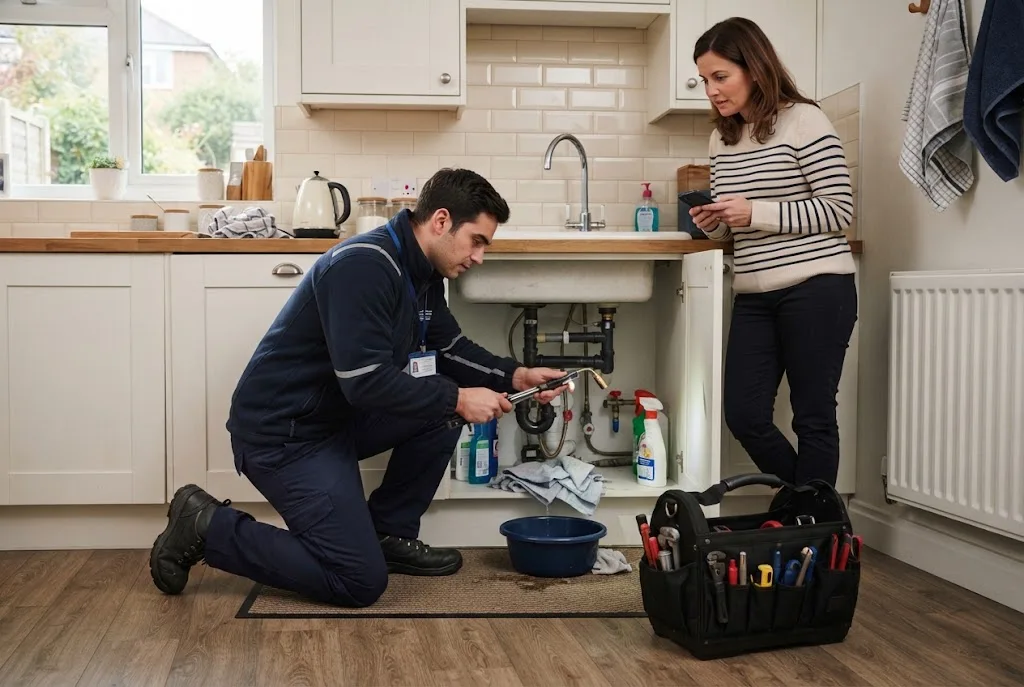
Leaks, dripping taps, slow drainage and unusual water pressure can indicate plumbing issues. Small leaks should not automatically be dismissed because persistent moisture can contribute to damage over time.
Homeowners should also know where the main water shut-off point is located. Being able to isolate the water supply can be useful if a serious leak develops.
Heating and Boiler Maintenance
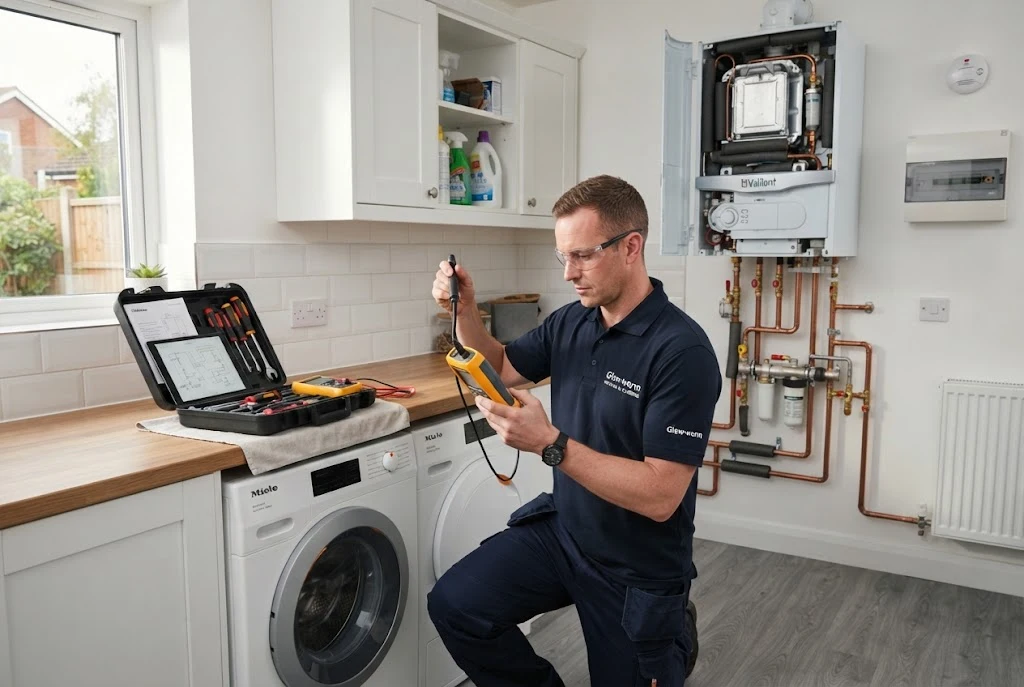
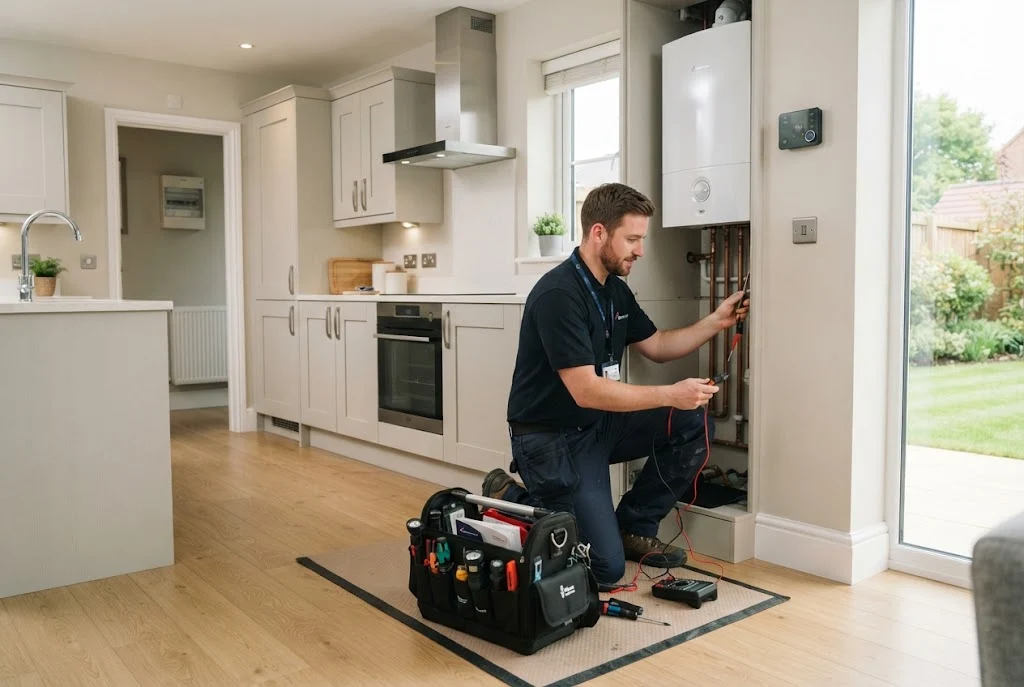
Heating systems require appropriate servicing and attention, particularly where a property relies heavily on a boiler for heating and hot water. Homeowners should follow the manufacturer’s servicing recommendations and use appropriately qualified professionals for relevant work.
Planned heating maintenance can also help identify unusual noises, pressure issues or other warning signs before a complete breakdown occurs.
Electrical Maintenance
Electrical systems should be treated with particular care. Damaged cables, overheating plugs, scorch marks, repeated circuit breaker trips or unusual electrical behaviour should not be ignored.
Electrical installation work and repairs should be undertaken by a suitably competent person. The Health and Safety Executive provides guidance on electrical safety in domestic environments and stresses the importance of maintaining electrical equipment to prevent danger. HSE electrical safety guidance provides further information.
Roof and Exterior Maintenance
External areas are exposed to wind, rain, frost and other weather conditions. Homeowners can periodically check for visible signs of damaged roof coverings, blocked gutters, deteriorating seals and other external issues.
Some maintenance tasks can be completed safely by homeowners, while roof work or tasks requiring specialist access should be left to appropriate professionals.
Preventative Maintenance vs Emergency Repairs
Preventative maintenance focuses on reducing the likelihood of unexpected failures. Emergency repairs, on the other hand, become necessary when a significant problem has already occurred.
For example, routine attention to plumbing and heating systems may identify a developing problem before it results in a major breakdown. Nevertheless, preventative maintenance cannot eliminate every emergency. Unexpected failures can still happen even in a well-maintained property.
When an urgent problem does occur, home emergency cover may provide assistance where the particular issue falls within the relevant policy or service agreement.
Home Maintenance Services for Different Property Types
Maintenance requirements vary according to the type of property. A detached house may have a larger external area and more individual systems to maintain, while a flat may have fewer private exterior responsibilities but shared building systems.
Older properties can also require more frequent attention to certain elements because materials, fixtures and systems may have been in use for many years. Newer properties are not maintenance-free either. Appliances, heating systems, plumbing fixtures and external areas still require appropriate care.
Landlords and property managers have additional responsibilities relating to rented properties. Where a property is rented, homeowners and tenants should understand which maintenance responsibilities belong to each party.
Creating a Practical Home Maintenance Routine
A maintenance routine does not need to be complicated. The most useful approach is to divide tasks according to how frequently they need attention.
For example, homeowners can create separate categories for:
- Regular visual checks
- Seasonal maintenance
- Annual servicing
- Professional inspections
- Repairs that need monitoring
- Longer-term replacement planning
This approach makes it easier to remember important tasks without trying to manage every part of the property at once.
Seasonal House Maintenance
Different seasons can bring different maintenance priorities. Before colder weather arrives, homeowners may want to check heating systems, external doors and windows, gutters and areas vulnerable to leaks.
During warmer months, attention may shift towards ventilation, outdoor areas, roof inspections and other exterior maintenance tasks.
Seasonal checks are particularly useful because weather conditions can expose weaknesses that may not be obvious at other times of the year.
When to Use Professional Property Maintenance
Some household tasks are suitable for routine DIY attention, such as cleaning accessible areas or replacing certain user-serviceable components according to manufacturer instructions. Other tasks involve technical knowledge, specialist equipment or safety risks.
Professional property maintenance can be appropriate when work involves electrical systems, gas appliances, structural issues, roofing or other areas where incorrect work could create additional risks.
Homeowners should check qualifications, experience, insurance and the scope of work when selecting a contractor. A clear description of the work and any associated costs should also be provided before significant maintenance begins.
Home Appliances and General Maintenance
Appliances form an important part of modern household life and should also be considered within a broader maintenance plan. Washing machines, dishwashers, tumble dryers, refrigerators and cooking appliances all require appropriate care.
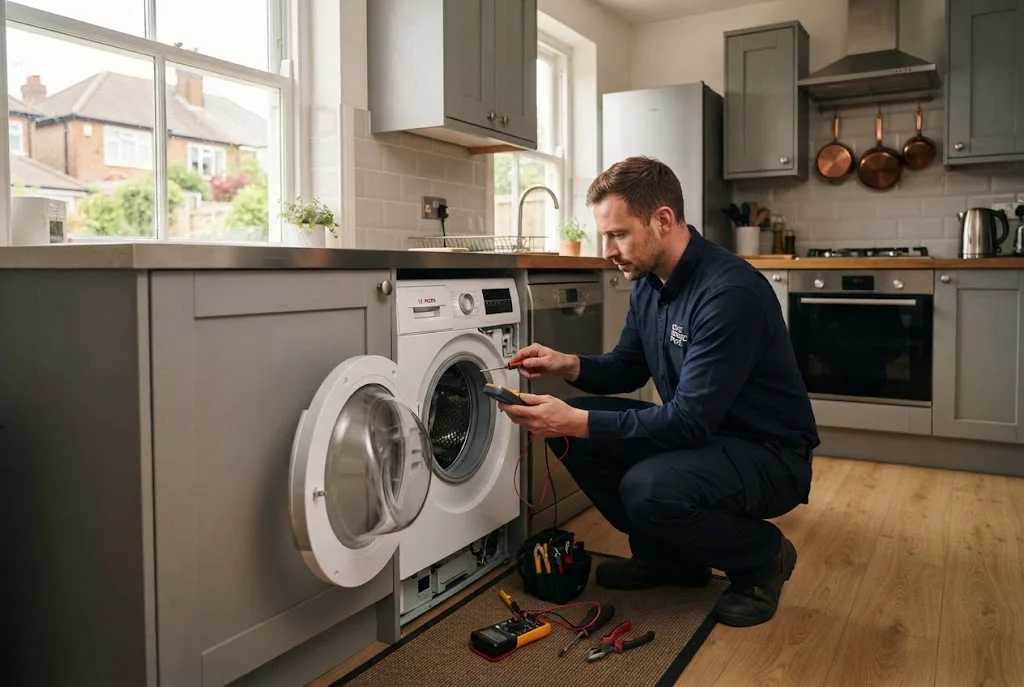
Routine cleaning and manufacturer-recommended maintenance can help keep appliances operating correctly. However, when an appliance develops a fault, it may need specialist attention rather than general property maintenance.
In those circumstances, dedicated appliance repair services can provide a more suitable route for diagnosis and repair.
Domestic Assistance and Everyday Household Tasks
Not every form of home support involves repairing a broken system. Some households may also need assistance with practical domestic tasks, particularly when managing a larger property or balancing household responsibilities with work and family commitments.
Domestic assistance can complement technical maintenance by helping homeowners keep everyday household tasks organised. The exact services available vary between providers, so it is useful to establish precisely what is included before arranging support.
How to Choose Home Maintenance Services
When comparing maintenance providers, homeowners should look beyond the headline price. The quality and scope of the service can be more important than simply choosing the cheapest option.
Consider the following points:
- Which maintenance tasks are included?
- Does the provider handle planned maintenance or only repairs?
- Are inspections included?
- Are labour and materials charged separately?
- Is emergency support available?
- Are specialist tradespeople used where necessary?
- Is there a clear process for reporting problems?
- Are service terms and exclusions easy to understand?
It is also worth checking whether an existing insurance policy, service agreement or home assistance plan already provides some of the support you need.
Home Maintenance and Utility Support
Property maintenance often overlaps with essential household utilities. Heating, water, electricity and appliances all contribute to the day-to-day operation of a home.
Understanding available home utility services can therefore complement a broader maintenance plan. The objective is to know which systems require regular servicing, which problems need specialist attention and which support arrangements are available if something fails.
Keeping these responsibilities organised can make household management easier and reduce the risk of overlooking important maintenance work.
Simple Steps Homeowners Can Take
Homeowners do not need a complicated system to improve property maintenance. A few practical habits can make a noticeable difference.
- Keep records of important servicing and repairs.
- Follow manufacturer maintenance instructions.
- Deal with visible leaks promptly.
- Pay attention to unusual appliance or heating behaviour.
- Keep accessible ventilation and drainage areas clear.
- Check external areas periodically for visible deterioration.
- Use qualified professionals for specialist work.
- Review emergency and insurance arrangements before problems occur.
These steps help turn maintenance from a reactive task into an ongoing part of responsible home ownership.
Final Thoughts on Home Maintenance Services
Home maintenance services can help UK homeowners manage the routine work required to keep a property functional, comfortable and in good condition. From plumbing and heating to electrical systems, appliances and exterior areas, regular attention can help identify developing problems before they become major disruptions.
Maintenance should not be viewed as a replacement for emergency assistance or home insurance. Instead, each has a different role. Planned maintenance focuses on prevention and upkeep, specialist repair deals with faults, and home emergency assistance may help when an eligible urgent problem occurs.
By taking a structured approach to house maintenance and knowing when professional assistance is appropriate, homeowners can make property care more manageable and respond more effectively when unexpected problems arise.