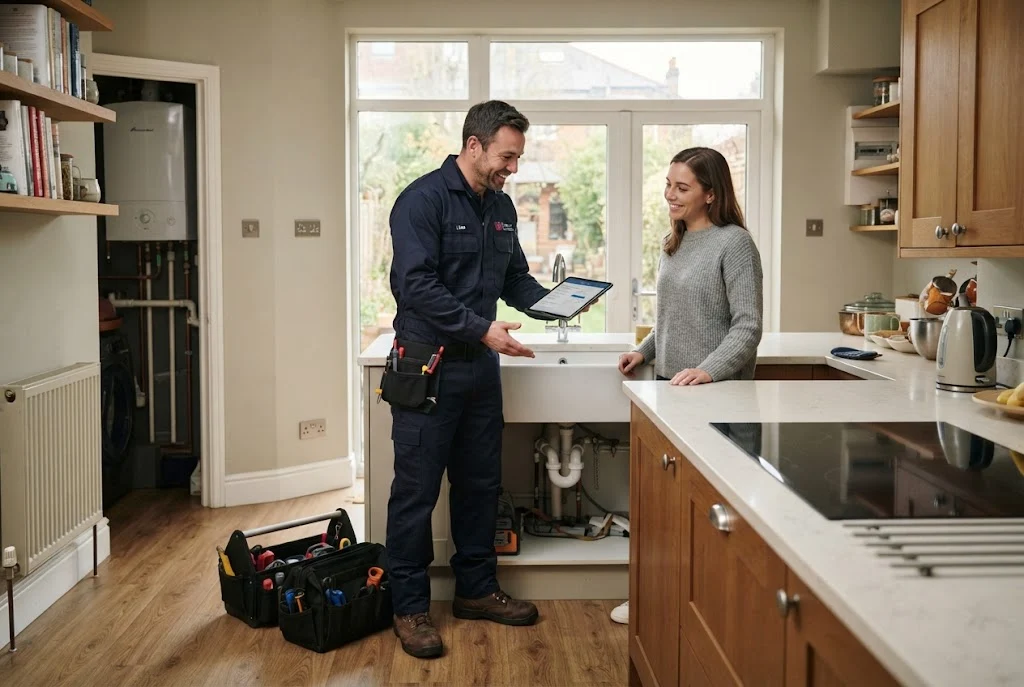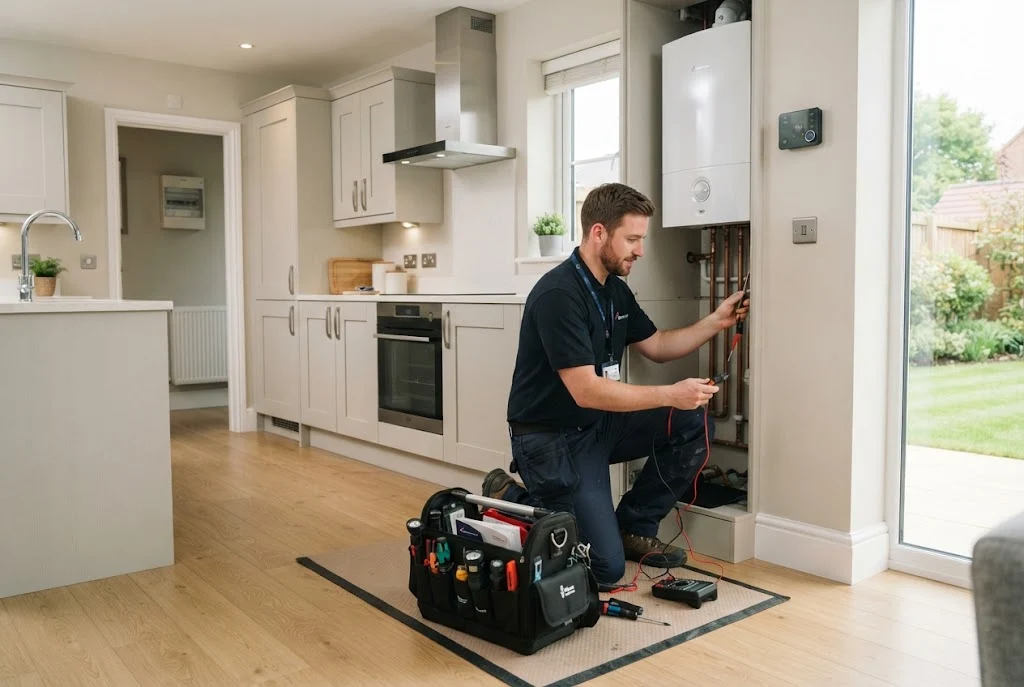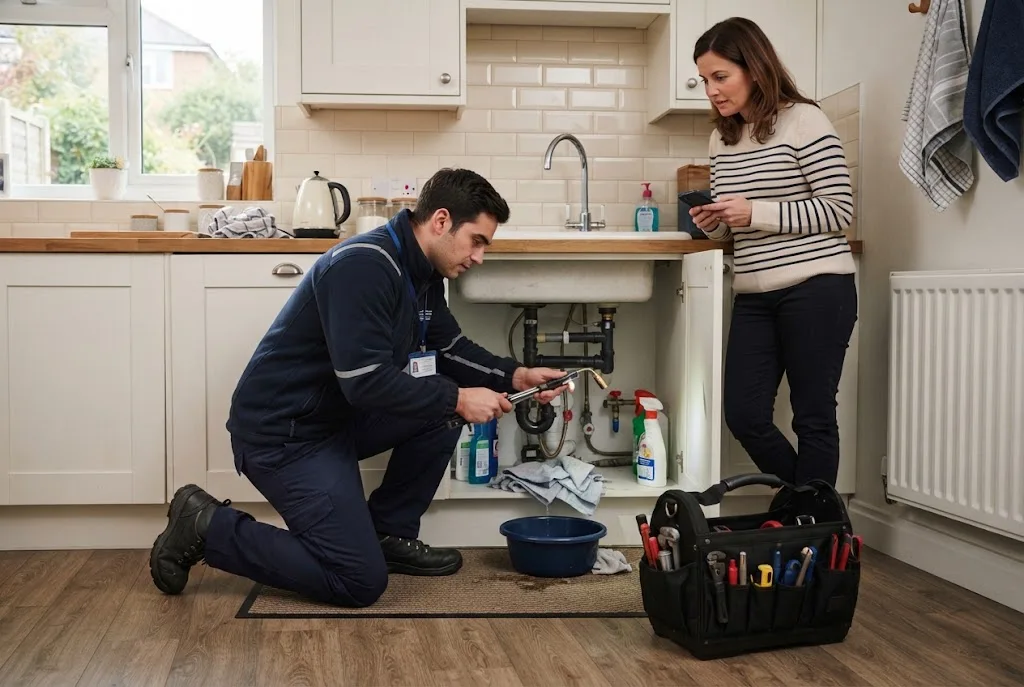
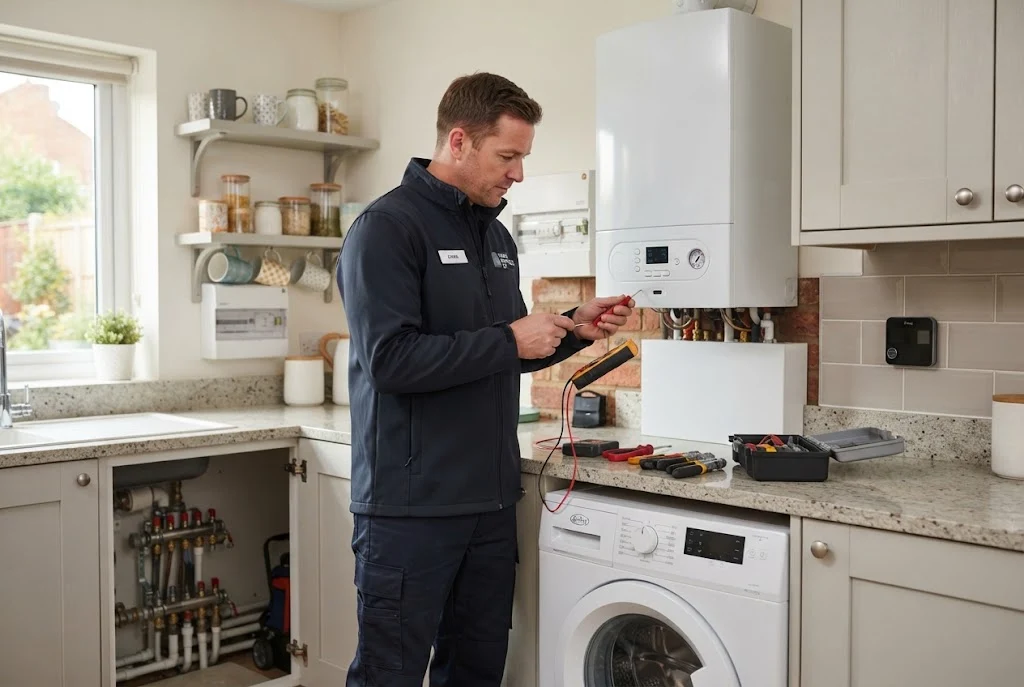

Modern households depend on a range of systems and appliances to keep everyday life running smoothly. From heating and hot water to kitchen appliances and essential household utilities, reliable home utility services can play an important role in maintaining comfort and dealing with faults when they occur. Understanding the different types of support available can help UK homeowners decide when routine maintenance, specialist repair or emergency assistance is appropriate.
Home utility support covers several different areas, and not every service is responsible for the same type of problem. A boiler service, for example, is different from repairing a washing machine, while an emergency plumbing call-out is different from routine property maintenance. Knowing these distinctions can make household planning much easier.
What Are Home Utility Services?
Home utility services can refer broadly to services that support essential systems and equipment used within a residential property. Depending on the provider, these services may include heating and boiler support, appliance servicing, plumbing assistance, electrical work and other forms of household technical support.
The precise definition varies between companies. Some providers specialise in a single area, while others offer several services under one household support arrangement.
For homeowners, the most important consideration is not the label used by a provider but the actual work covered by the service. Checking the scope, exclusions and responsibilities before arranging support can prevent confusion later.
Why Home Utility Support Matters
Essential household systems are often taken for granted until something stops working. A boiler failure can affect heating and hot water, while a faulty washing machine can disrupt normal household routines.
Regular attention can help homeowners identify developing issues before they become more disruptive. Professional servicing can also be important for systems where manufacturers recommend periodic checks or where specialist knowledge is required.
Home utility support therefore has both preventative and reactive elements. Routine servicing focuses on keeping equipment in appropriate working condition, while repair and emergency services respond when something has already gone wrong.
Appliance Services for Everyday Household Equipment
Appliances are an important part of modern home life. Washing machines, dishwashers, tumble dryers, refrigerators, ovens and other equipment can all develop faults through normal use.
Common signs that an appliance may need professional attention include unusual noises, failure to start, poor heating or cooling, water leaks, drainage problems and repeated error messages.
Some basic maintenance can be completed by homeowners in accordance with the manufacturer’s instructions. However, internal electrical faults or other technical problems should be assessed by an appropriately competent professional.
When a household appliance develops a significant fault, dedicated appliance repair services may be more appropriate than a general home maintenance provider.
Domestic Appliance Service and Maintenance
A domestic appliance service can involve inspection, testing, diagnosis or maintenance depending on the equipment and the provider. The exact service required depends on the appliance’s condition and the manufacturer’s recommendations.
Regular cleaning and appropriate user maintenance can also help appliances operate correctly. Filters, vents and other accessible components should be maintained according to the manufacturer’s guidance.
Homeowners should avoid assuming that an appliance protection plan or general household policy covers every type of breakdown. Some arrangements specifically exclude appliances, while others are designed around appliance repair or replacement.
Heating and Boiler Service
Heating is one of the most important household systems in a UK property, particularly during colder weather. Boilers may provide both central heating and hot water, making a fault especially disruptive.
A heating boiler service is different from emergency boiler repair. Servicing is generally a planned activity intended to inspect and assess the appliance, while repair is carried out when a fault has developed.
Homeowners should follow the boiler manufacturer’s servicing recommendations and use an appropriately qualified professional for relevant gas work. The official Gas Safe Register explains that businesses and engineers carrying out gas work in Great Britain must be registered with Gas Safe Register. Gas Safe Register provides information for consumers about registered engineers and gas safety.
Why Boiler Servicing Should Not Be Ignored
A boiler can continue operating while developing problems that are not immediately obvious. Changes in performance, unusual noises, repeated pressure problems or other warning signs should not simply be ignored.
Regular servicing can provide an opportunity for a qualified professional to inspect the boiler and identify issues requiring attention. It also helps homeowners maintain a record of servicing, which can be useful when managing warranties, property maintenance or future repairs.
Servicing does not guarantee that a boiler will never break down. Unexpected faults can still occur, which is why some households also consider emergency heating assistance.
Plumbing and Household Water Services
Water systems are another important part of household infrastructure. Taps, toilets, pipes, waste systems and drainage can all develop problems through normal use or deterioration.
Minor issues such as a dripping tap may not require an emergency response, while a major leak or overflowing fixture may need immediate attention.
Homeowners should know where the main internal water shut-off point is located and understand how to isolate the water supply in an emergency. If a serious leak occurs, reducing the flow where it is safe to do so can help limit further damage while professional assistance is arranged.
Electrical Support Around the Home
Electricity powers many of the systems and appliances used every day. Problems involving fixed electrical installations, damaged cables, overheating or repeated circuit breaker trips should be treated carefully.
Homeowners should not attempt unfamiliar electrical repairs. Electrical installation and repair work should be completed by a suitably competent professional.
The Health and Safety Executive provides domestic electrical safety guidance and recommends appropriate precautions when working with electrical equipment. HSE electrical safety information can help homeowners understand some of the basic risks.
Home Utility Services and Emergency Assistance
Routine utility support and emergency assistance serve different purposes. Planned servicing can help maintain household systems, while emergency services are intended for specific urgent problems.
For homeowners who want support when an unexpected fault occurs, home emergency cover may be relevant where the particular issue is included in the policy or service agreement.
However, emergency cover should not automatically be assumed to include every utility or appliance problem. Policy terms may specify particular systems, financial limits, exclusions and circumstances in which assistance is available.
Home Utility Services and General Property Maintenance
Utility systems are only one part of maintaining a property. Roofs, gutters, doors, windows, plumbing fixtures and other parts of the building also require appropriate attention.
For that reason, homeowners may benefit from combining utility support with broader home maintenance services. A planned maintenance approach can help identify issues before they become urgent.
For example, a homeowner might arrange routine heating servicing, monitor appliance performance and periodically inspect accessible plumbing areas while also keeping track of larger property maintenance tasks.
When Does an Appliance Need Professional Support?
Some appliance problems have simple causes, but others require technical diagnosis. If an appliance does not start, homeowners can first check basic issues such as the power supply and manufacturer’s troubleshooting instructions.
However, certain warning signs should prompt the appliance to be taken out of use. These can include burning smells, visible electrical damage, smoke, unusual overheating or other signs that the appliance may not be operating safely.
Professional diagnosis can help determine whether a repair is practical. The age and condition of the appliance, availability of parts and estimated repair cost can all influence the decision between repair and replacement.
How to Choose Home Utility Services
Before arranging a household service, compare what each provider actually offers. A low headline price does not necessarily mean the service provides the support a particular property needs.
Useful questions include:
- Which household systems are covered?
- Does the service include appliances?
- Are parts and labour included?
- Is diagnosis charged separately?
- Are emergency call-outs available?
- Are there limits on claims or visits?
- Are routine servicing and repairs treated separately?
- Are there exclusions for older systems or appliances?
- Does the provider use appropriately qualified specialists?
It is also worth checking existing warranties, insurance policies and service agreements before purchasing additional cover. There may already be some protection in place.
Keeping Household Utility Systems Reliable
Good household management does not require homeowners to become technical experts. Simple habits can help maintain essential systems and identify problems early.
- Follow manufacturer maintenance instructions.
- Keep records of important servicing and repairs.
- Pay attention to unusual noises or changes in performance.
- Deal with visible leaks promptly.
- Keep appliance vents and accessible filters maintained as instructed.
- Arrange appropriate boiler and heating servicing.
- Use competent professionals for specialist electrical and gas work.
- Know how to isolate water and electricity safely when necessary.
These steps can help homeowners take a more organised approach to household care while recognising when professional support is needed.
Home Utility Services for Long-Term Property Care
A reliable household service strategy should combine prevention, repair and emergency planning. Routine maintenance helps keep systems in good working order, specialist repair addresses faults and emergency assistance can provide support when an eligible urgent problem occurs.
Appliances should also be considered separately because they can have different servicing and repair requirements. A household may therefore use several complementary services rather than relying on one arrangement for every possible problem.
This approach also makes it easier to plan household costs. Instead of treating every unexpected repair as a surprise, homeowners can keep records of servicing, understand their existing cover and plan for eventual replacement of older equipment.
Final Thoughts on Home Utility Services
Home utility services can support many of the systems and appliances that UK households rely on every day. Heating, boilers, plumbing, electrical systems and domestic appliances all have different maintenance and repair requirements, so homeowners should choose support based on the actual needs of their property.
Routine servicing and preventative maintenance can help identify developing issues, while specialist repair services can address faults when they occur. Where an urgent problem arises, home emergency assistance may provide another option when the relevant circumstances are covered.
The most effective approach is to understand each service’s role, follow manufacturer guidance, use appropriately qualified professionals and check existing warranties or policies before arranging additional protection. With that structure in place, homeowners can manage essential household systems more confidently and respond more effectively when problems occur.