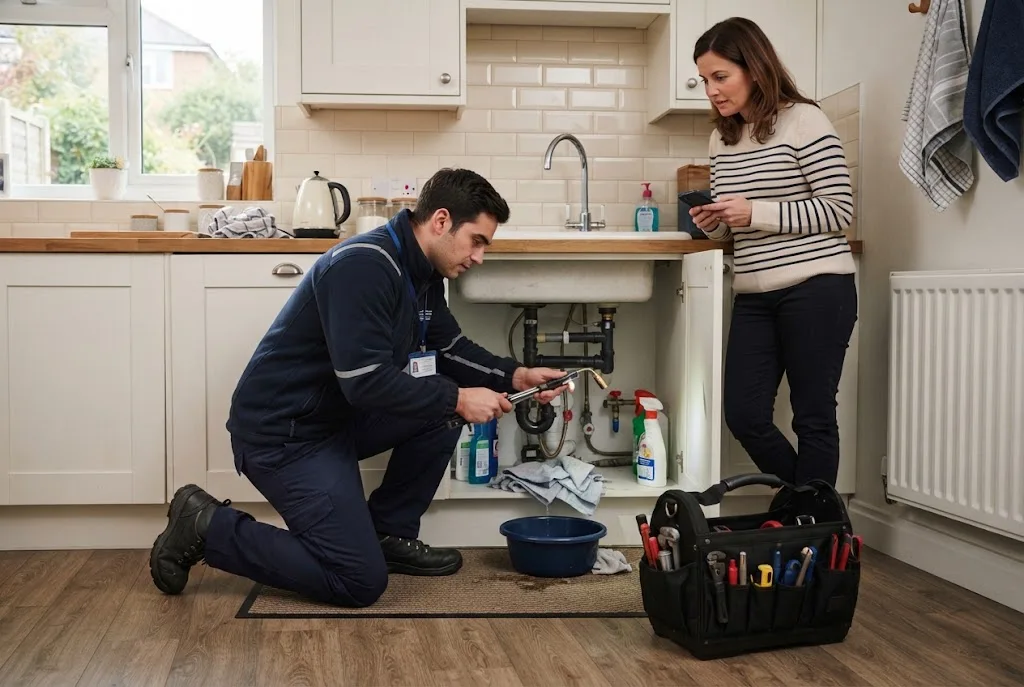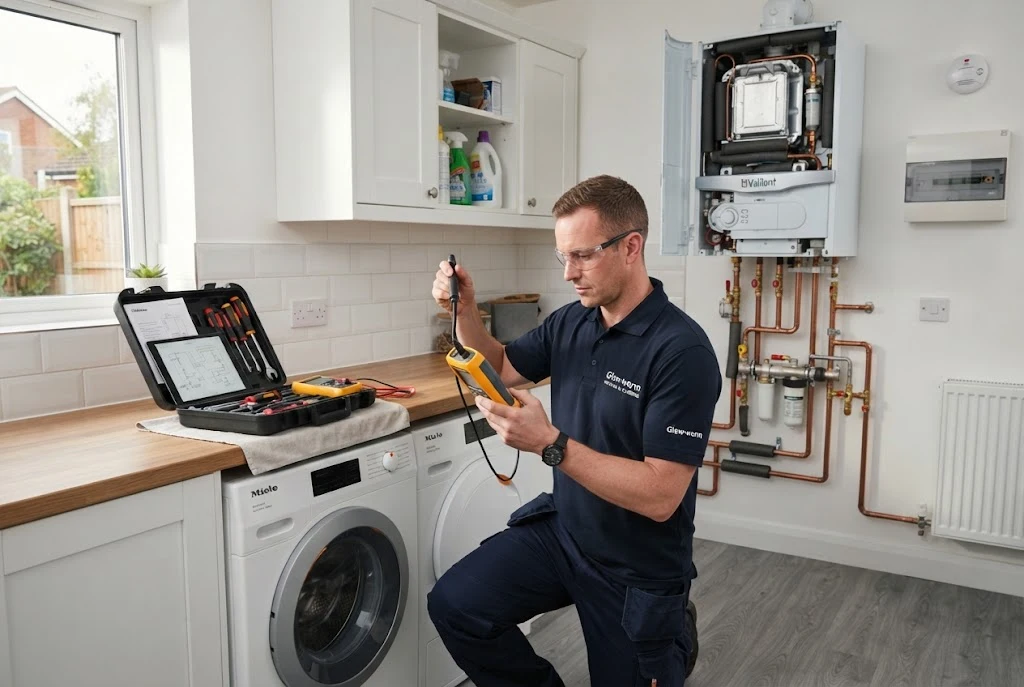
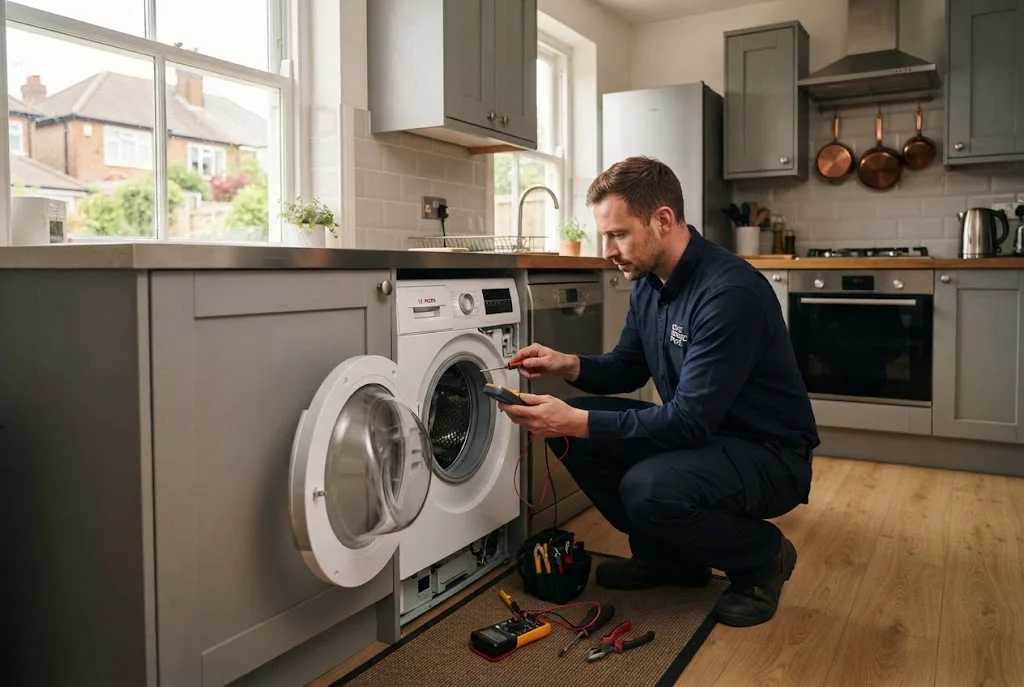

When a washing machine stops draining, a dishwasher leaves dishes dirty or a fridge starts struggling to stay cold, reliable appliance repair services can help restore an essential part of your home without immediately replacing the appliance. For many UK households, professional repair is a practical option when an appliance develops a fault, particularly when the problem can be diagnosed and resolved safely.
Domestic appliances are used every day, so even a relatively small fault can quickly disrupt normal household routines. Understanding when an appliance needs attention, what a professional service may involve and when replacement could make more sense can help homeowners make informed decisions.
What Do Appliance Repair Services Include?
Professional appliance repair services are designed to identify faults, assess the condition of an appliance and determine an appropriate repair or replacement option. Depending on the appliance and the nature of the fault, this can involve inspection, fault diagnosis, replacement of a faulty component, testing and safety checks.
Common household appliances that may require servicing or repair include:
- Washing machines and washer-dryers
- Tumble dryers
- Dishwashers
- Fridge freezers
- Electric ovens and cookers
- Microwaves
- Hobs
- Other domestic electrical appliances
The exact service available will depend on the appliance, its manufacturer, the fault and the competence of the person carrying out the work.
When Does a Domestic Appliance Need a Service?
Some appliance problems are obvious, while others develop gradually. A domestic appliance service may be worth considering when performance changes noticeably or when an appliance begins showing warning signs.
For example, a washing machine that repeatedly stops during a cycle, makes unusual noises or fails to drain properly may need professional attention. Similarly, a dishwasher that does not clean effectively, a tumble dryer that becomes unusually hot or a refrigerator that struggles to maintain its temperature should not simply be ignored.
Electrical warning signs deserve particular attention. The Health and Safety Executive advises that electrical equipment should be maintained to prevent danger and that repairs should be carried out by a competent person.
Common Problems Covered by Appliance Services
Different appliances have different components, but several fault types occur across many domestic machines. Common problems include unusual noises, leaks, failure to start, poor heating or cooling, drainage problems, error messages and intermittent operation.
Washing Machine Problems
Washing machines may develop drainage issues, excessive vibration, door-lock problems or faults that prevent a cycle from completing. Before arranging a repair, homeowners can check simple issues such as whether the appliance is receiving power and whether the relevant filters or connections are visibly blocked. Electrical or internal repairs should be left to a competent professional.
Dishwasher Problems
A dishwasher that leaves water inside the machine, fails to clean dishes properly or does not heat water may require diagnosis. Blocked filters and drainage issues can sometimes contribute to poor performance, while electrical or component faults require more specialist attention.
Tumble Dryer Problems
Tumble dryers need particular care because heat, airflow and accumulated lint can create safety concerns. A dryer that smells of burning, becomes unusually hot or behaves differently from normal should be switched off and assessed rather than repeatedly operated.
Fridge Freezer Problems
Temperature changes, excessive frost, unusual noises or a compressor that appears to run continuously can indicate that a fridge freezer needs attention. Food safety can also become a concern if the appliance is unable to maintain suitable temperatures.
Why Professional House Appliance Repairs Matter
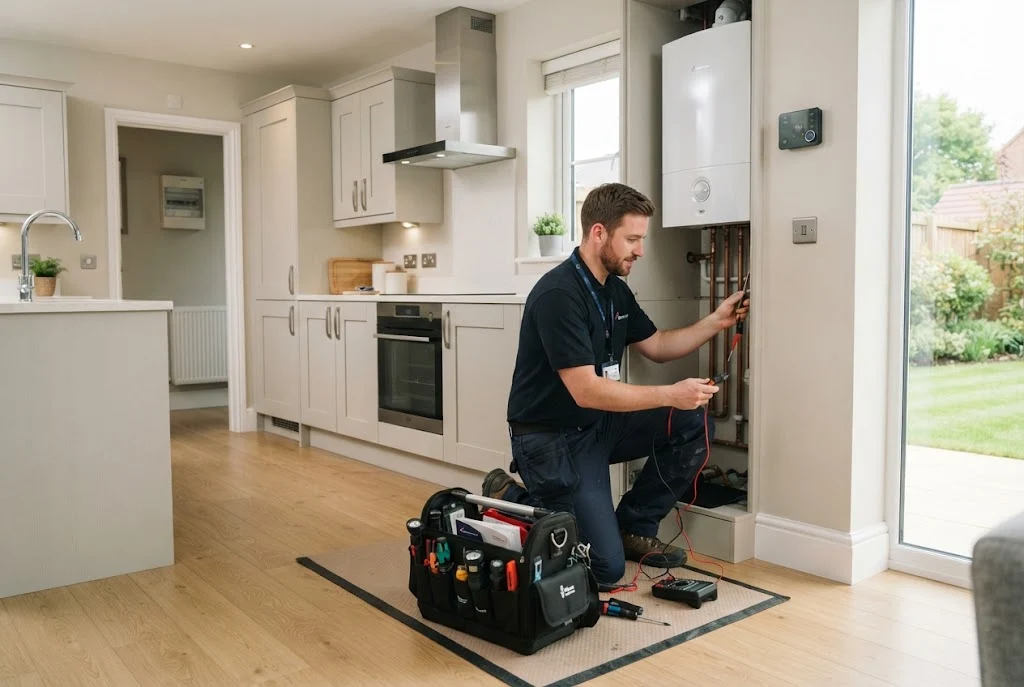
Attempting to dismantle or repair an electrical appliance without the necessary knowledge can introduce additional risks. Domestic appliances can contain mains electrical components, moving parts, heating elements and, depending on the appliance, water or refrigerant systems.
HSE guidance specifically covers safety considerations when servicing and repairing domestic appliances such as washing machines, dryers, refrigerators, freezers and cooking equipment. It highlights the importance of isolation and suitable precautions when electrical testing or repair work is undertaken.
For homeowners, the practical approach is straightforward: if a fault involves electrical components, exposed wiring, overheating, burning smells or an internal component failure, avoid improvised repairs and arrange assessment by someone suitably competent.
Appliance Repair or Replacement?
Repair is not always the right answer. The decision depends on factors such as the age of the appliance, the nature of the fault, repair costs, availability of parts and the expected remaining service life.
A relatively new appliance with a straightforward component failure may be a sensible candidate for repair. On the other hand, an older appliance with repeated faults may make replacement more practical in the longer term.
It is also worth checking whether the appliance is still covered by a manufacturer’s warranty, extended warranty or another form of home emergency cover before paying for repair work privately.
How to Choose an Appliance Repair Service
Choosing a suitable service provider involves more than simply looking for the lowest quoted price. Homeowners should consider whether the technician has appropriate knowledge and experience for the appliance involved and whether the service clearly explains what is included.
Before booking, consider asking:
- What types of appliances does the service repair?
- Is diagnosis included in the quoted price?
- Are replacement parts included or charged separately?
- Does the service cover the appliance manufacturer and model?
- Is there any workmanship or parts guarantee?
- Will the appliance be tested after the repair?
A clear explanation of the fault and proposed work can make it easier to understand whether repairing the appliance is worthwhile.
Keeping Appliances in Good Condition
Regular care can help identify developing problems before they become more disruptive. Homeowners should follow the manufacturer’s maintenance instructions, keep ventilation areas clear and inspect accessible plugs, cables and appliance connections for visible damage.
UK fire safety guidance also recommends keeping electrical appliances clean and in good working order and watching for warning signs such as scorch marks, hot plugs, unexplained fuse failures, tripped circuit breakers or flickering lights.
For white goods, simple maintenance can also make a difference. Cleaning filters where the manufacturer recommends it, keeping vents unobstructed and avoiding misuse can support safe and reliable operation.
Appliance Repair Services and Home Emergency Planning
An appliance fault does not always happen at a convenient time. A failed washing machine, refrigerator or other essential appliance can become particularly inconvenient when the problem occurs outside normal working hours.
This is where broader home support arrangements may become relevant. Depending on the policy or service agreement, home maintenance services and home utility services can form part of a wider approach to managing household problems.
However, homeowners should always check the exact terms of any cover or service plan. The availability of appliance repairs, call-outs, replacement parts and emergency assistance can vary significantly between providers and plans.
What to Do When an Appliance Suddenly Fails
If an appliance stops working, begin with basic safety rather than repeatedly switching it on and off. If there is a burning smell, smoke, visible damage, unusual heat or another immediate safety concern, stop using the appliance and isolate it from the power supply if this can be done safely.
Do not attempt internal electrical repairs unless you have the appropriate competence and equipment. HSE guidance states that faulty electrical equipment should be taken out of use and that repairs should be undertaken by a competent person.
Once the immediate safety issue has been addressed, check the appliance manual for troubleshooting guidance and determine whether the appliance is covered by a warranty, service agreement or home appliances cover. If professional attention is required, provide the technician with the appliance make, model and a clear description of the symptoms.
Building a More Reliable Home Service Plan
Appliances are only one part of keeping a property functioning properly. Plumbing, heating, electrical systems and general property upkeep can all affect household comfort and reliability. For that reason, homeowners may find it useful to consider appliance repairs alongside broader home maintenance services and emergency support.
The aim is not simply to repair problems after they occur. Good household maintenance involves identifying potential issues, carrying out appropriate servicing and knowing when specialist assistance is required.
Final Thoughts on Appliance Repair Services
Reliable appliance repair services can help UK homeowners deal with common domestic appliance faults while avoiding unnecessary replacement where a safe and practical repair is possible. From washing machines and dishwashers to tumble dryers and fridge freezers, prompt attention to unusual performance can prevent a minor issue from becoming a larger household disruption.
Most importantly, electrical appliance repairs should be approached with safety in mind. Follow manufacturer guidance, pay attention to warning signs and use a suitably competent professional for work that requires technical or electrical expertise. With sensible maintenance and the right support arrangements, homeowners can keep essential appliances working more reliably and manage unexpected household problems with greater confidence.