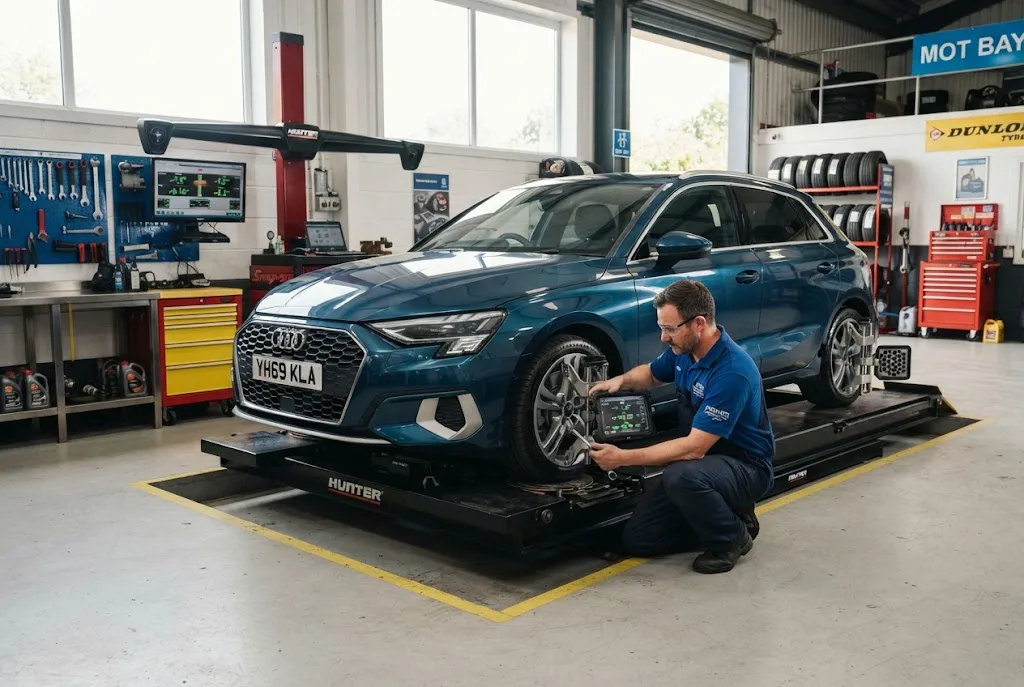


Audi vehicles are known for their combination of performance, technology, comfort, and premium engineering. However, maintaining that level of quality requires regular Audi car servicing. Whether you own an Audi A3, A4, Q5, Q7, or another model, following the recommended servicing schedule can help improve reliability, maintain efficiency, and support long-term vehicle value.
Many drivers focus on purchase price when choosing a premium vehicle, but ongoing maintenance is equally important. Understanding what Audi servicing involves can help owners make informed decisions and avoid unnecessary repair costs.
Why Audi Car Servicing Is Important
Modern Audi vehicles contain sophisticated engines, advanced electronics, driver assistance technologies, and complex drivetrain systems. These components require routine inspection and maintenance to operate correctly.
Regular servicing helps identify minor issues before they develop into larger and more expensive problems. It can also improve safety, fuel efficiency, and driving performance.
Owners who follow scheduled auto maintenance services often experience fewer unexpected repairs and maintain stronger resale values.
What Is Included in Audi Car Servicing?
Service requirements vary depending on the model, age, mileage, and driving conditions. However, most Audi services include a comprehensive inspection of key systems.
Typical servicing tasks may include:
- Engine oil replacement
- Oil filter replacement
- Brake inspections
- Fluid level checks
- Battery testing
- Tyre condition inspections
- Suspension checks
- Electronic diagnostics
- Cabin filter replacement
Routine servicing helps ensure that all systems continue to perform as intended.
How Often Should an Audi Be Serviced?
The recommended service interval depends on the specific Audi model and driving habits.
Drivers who regularly travel long motorway distances may experience different maintenance requirements than those who mainly undertake short urban journeys.
Following the manufacturer’s service schedule remains the most reliable way to determine when maintenance should be performed.
Keeping accurate records also makes it easier to check service history of a car when selling or purchasing a vehicle in the future.
Oil Changes and Routine Maintenance
Engine oil plays a critical role in protecting internal engine components from friction and wear.
Many Audi owners choose to book an oil change as part of routine servicing or between scheduled maintenance visits when necessary.
Regular oil replacement helps support engine efficiency and long-term reliability.
The Importance of Transmission Maintenance
Many Audi models are equipped with advanced automatic transmissions that require proper maintenance throughout the vehicle’s life.
Transmission servicing may include inspections and fluid replacement depending on manufacturer recommendations.
Drivers interested in understanding transmission maintenance can learn more in our guide to car transmission oil.
Ignoring transmission maintenance can increase the risk of performance issues and expensive repairs.
Brake System Maintenance
Brake performance is one of the most important aspects of vehicle safety.
Routine servicing often includes inspections of brake pads, discs, fluid condition, and related components.
Premium vehicle owners frequently monitor maintenance costs such as BMW brake fluid servicing or other brand-specific procedures to better understand long-term ownership expenses.
Addressing brake-related concerns early can help prevent more extensive repairs later.
How Audi Servicing Compares with Other Premium Brands
When evaluating ownership costs, many motorists compare Audi with other luxury manufacturers.
For example, buyers frequently research the cost of service a Mercedes alongside Audi maintenance requirements when considering premium vehicle ownership.
While servicing costs vary by model and location, preventative maintenance remains important regardless of brand.
Service History and Resale Value
A complete service history can significantly influence resale value.
Prospective buyers often prefer vehicles with documented maintenance records because they provide evidence of responsible ownership.
Owners should keep service invoices and maintenance records organised to support future resale opportunities.
Those purchasing used premium vehicles may also benefit from reviewing our guide on BMW check service history to better understand how maintenance documentation affects buying decisions.
Should Audi Owners Consider Extended Warranty Coverage?
As vehicles age and manufacturer warranties expire, some owners consider additional protection plans.
An extended warranty on vehicles may help reduce the financial impact of certain unexpected repairs, particularly on technology-rich premium models.
The suitability of warranty coverage depends on vehicle age, mileage, and ownership plans.
Common Audi Maintenance Items
Over time, Audi vehicles may require maintenance beyond routine oil changes and inspections.
Common service items include:
- Brake component replacement
- Tyre replacement
- Battery replacement
- Cabin filter changes
- Air filter replacement
- Transmission servicing
- Cooling system maintenance
Maintaining these components according to recommended schedules can help preserve performance and reliability.
Choosing a Trusted Audi Service Provider
Selecting qualified technicians with experience servicing Audi vehicles is important. Professional servicing ensures maintenance procedures are completed correctly and that appropriate parts and fluids are used.
Whether using a dealership or independent specialist, owners should prioritise expertise, transparency, and service quality.
Where to Find Official Audi Information
Drivers seeking manufacturer guidance can visit the Audi UK website for information about servicing, maintenance schedules, ownership support, and vehicle care recommendations.
Final Thoughts
Audi car servicing is an essential part of responsible vehicle ownership. Regular maintenance helps protect performance, improve reliability, support safety, and preserve long-term value.
By following recommended service schedules, maintaining accurate records, and addressing maintenance needs promptly, Audi owners can enjoy a more dependable driving experience while helping to minimise future repair costs.