

Buying a used vehicle can be an excellent way to reduce purchase costs while still obtaining a reliable car. However, many buyers wonder: can I get a warranty on a used car? The good news is that warranty options are available for many used vehicles, helping owners reduce the financial impact of unexpected repairs.
As modern cars become increasingly dependent on advanced electronics, sensors, and complex mechanical systems, repair costs can quickly add up. A suitable warranty can provide additional peace of mind and make budgeting for vehicle ownership more predictable.
Can You Get a Warranty on a Used Car?
In many cases, yes. Used car warranties are widely available from dealerships, manufacturers, independent warranty providers, and specialist vehicle protection companies.
Eligibility typically depends on factors such as:
- Vehicle age
- Current mileage
- Service history
- Vehicle condition
- Previous ownership records
- Existing manufacturer warranty coverage
Each provider has its own requirements, so it is important to review terms carefully before purchasing a policy.
Why Buyers Choose Used Car Warranties
Many motorists purchase used cars because they offer strong value compared to new vehicles. However, older vehicles may be more likely to require maintenance and repairs as components age.
A warranty may help cover certain repair costs and provide reassurance during ownership.
Common reasons buyers consider warranty protection include:
- Reducing exposure to unexpected repair bills
- Protecting against major mechanical failures
- Improving budgeting predictability
- Supporting confidence when purchasing older vehicles
- Providing additional ownership peace of mind
Extended Warranty on Vehicles Explained
Many used car warranties are offered as an extended warranty on vehicles, which provides protection after manufacturer coverage expires.
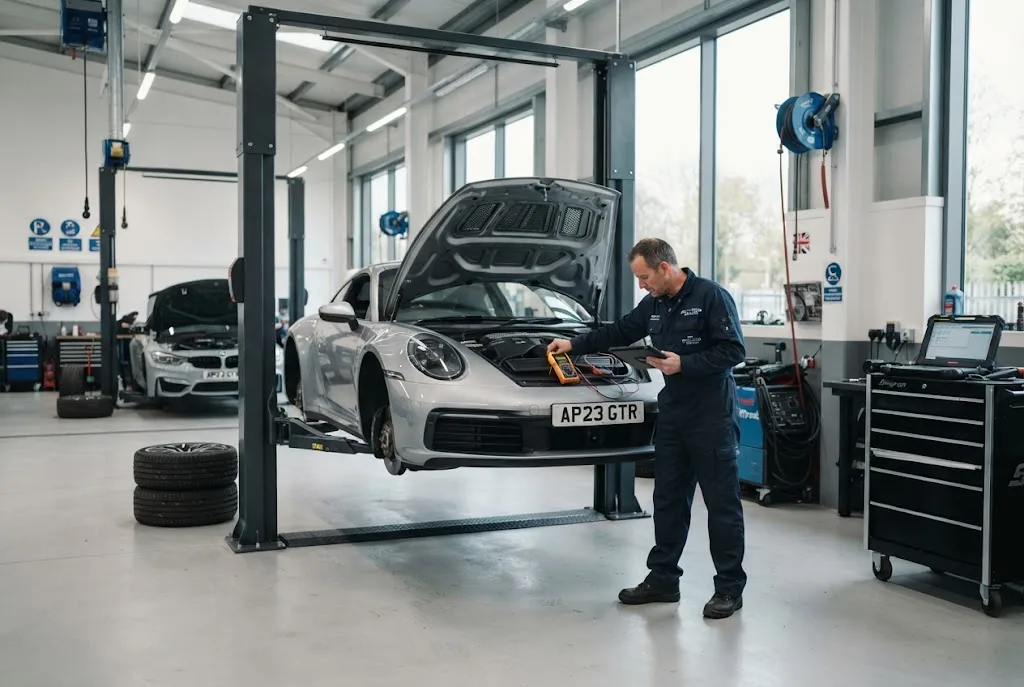
Depending on the provider, coverage may include major components such as engines, transmissions, electrical systems, and certain electronic features.
The level of protection varies considerably between policies, making it important to compare options carefully.
What Does a Used Car Warranty Usually Cover?
Coverage depends on the policy selected, but many plans focus on significant mechanical and electrical components.
Common areas that may be covered include:
- Engine components
- Transmission systems
- Cooling systems
- Electrical systems
- Fuel delivery systems
- Steering components
- Certain onboard electronics
Higher-tier policies generally provide broader protection than entry-level plans.
What Is Usually Not Covered?
Most warranty providers exclude routine maintenance and normal wear-and-tear items.
Examples may include:
- Tyres
- Brake pads
- Wiper blades
- Routine servicing
- Oil changes
- Bodywork damage
- Accident-related repairs
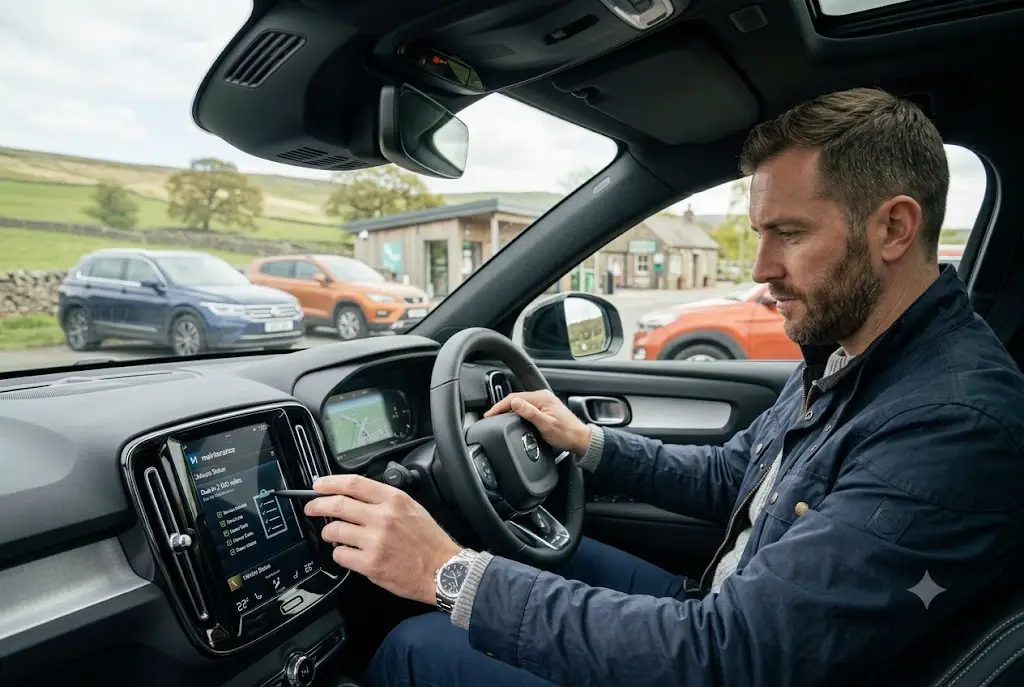
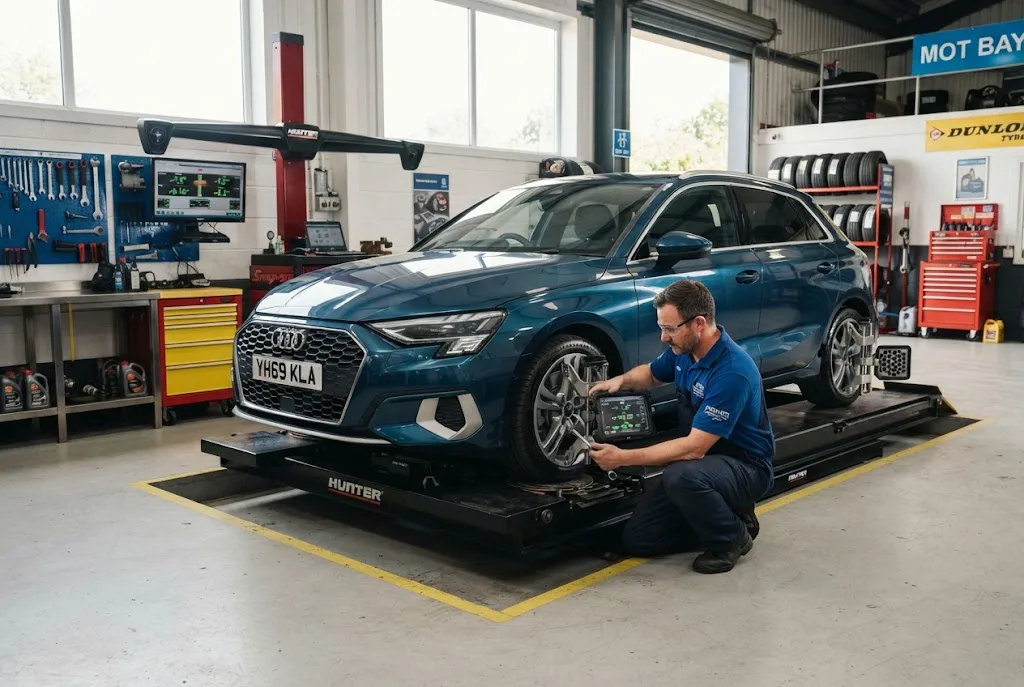
Vehicle owners should continue scheduling regular auto maintenance services to maintain reliability and help meet warranty requirements.
Why Service History Matters
One of the most important factors influencing warranty eligibility is maintenance history.
Warranty providers often prefer vehicles with documented servicing because maintenance records demonstrate responsible ownership.
This is why buyers should always check service history of a car before completing a purchase.
A complete service history can also provide valuable insight into future maintenance requirements.
Can I Get a Warranty on an Older Used Car?
Many providers offer warranties for older vehicles, although eligibility rules may become more restrictive as a car ages.
Factors that may influence coverage include:
- Vehicle age limits
- Maximum mileage thresholds
- Mechanical condition
- Inspection requirements
- Claims history
Older vehicles may qualify for specialised warranty plans rather than comprehensive protection packages.
Car Warranty for Cars Over 20 Years Old UK
Drivers occasionally search for a car warranty for cars over 20 years old UK options. While some specialist providers may offer coverage for classic or older vehicles, protection is often more limited than that available for newer models.
Coverage restrictions and premium costs may increase because older vehicles generally present greater repair risks.
Owners should compare policy details carefully and understand exactly what is included before purchasing coverage.
How Ownership Costs Influence Warranty Decisions
A warranty should be evaluated as part of the overall cost of vehicle ownership.
Many buyers focus on financing costs and regularly research topics such as the average monthly car payment UK and average UK car payment when planning vehicle budgets.
However, maintenance, insurance, fuel, and potential repair costs are equally important considerations.
A warranty may help reduce uncertainty by limiting exposure to certain unexpected expenses.
Premium Vehicles and Warranty Considerations
Owners of premium vehicles often pay particular attention to warranty coverage because repair costs can be higher than those associated with mainstream vehicles.
For example, buyers researching the cost of service a Mercedes frequently explore warranty options as part of long-term ownership planning.
Similarly, reviewing maintenance records through a BMW check service history can help determine whether a vehicle has been properly maintained before warranty coverage is purchased.
Where to Find Independent Consumer Advice
Drivers seeking impartial information about vehicle purchases and ownership rights can consult Which?, which provides guidance on buying used cars, warranties, and consumer protection issues.
Final Thoughts
Can I get a warranty on a used car? In many cases, yes. Used car warranties are widely available and can provide valuable protection against certain repair costs after purchase.
Before selecting a warranty, review the vehicle’s service history, understand the policy terms, compare coverage options, and consider your expected ownership period. When chosen carefully, a warranty can provide additional confidence and help make vehicle ownership more predictable.