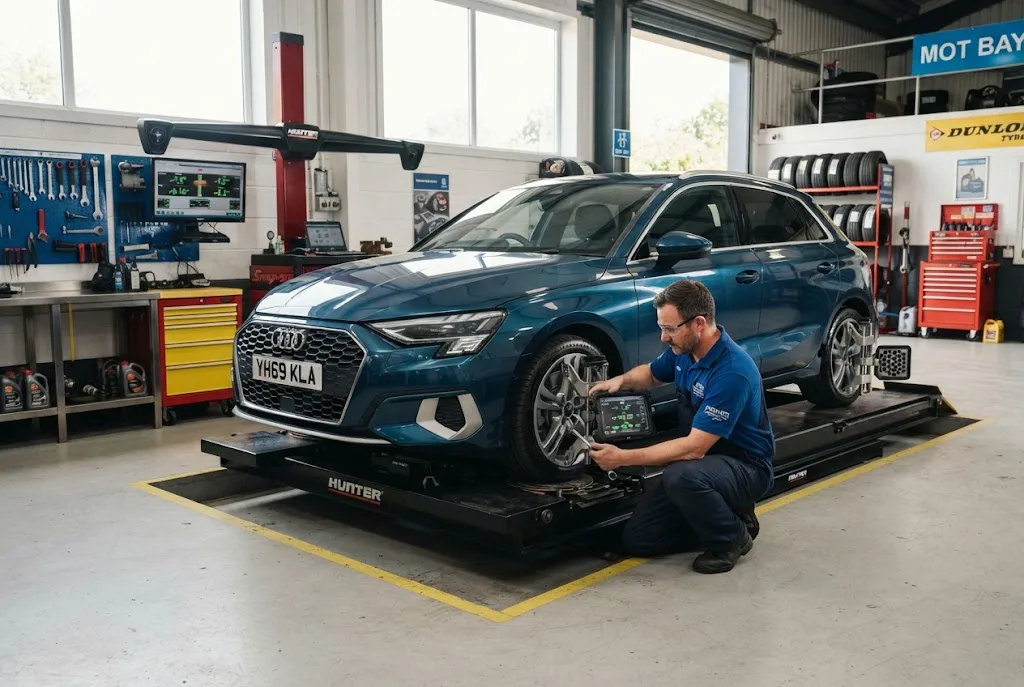

Wheel alignment is an important part of vehicle maintenance that can affect tyre wear, steering behaviour, handling and overall vehicle stability. When a car’s wheels are not correctly aligned, the vehicle may pull to one side, the steering wheel may sit off-centre or tyres may begin wearing unevenly.
Alignment problems are not always obvious during everyday driving. A vehicle can continue to operate while gradually developing abnormal tyre wear or handling changes. Understanding the signs and knowing when to arrange a professional inspection can help UK motorists address problems before they become more expensive.
What Is Wheel Alignment?
Wheel alignment is the process of checking and, where necessary, adjusting the angles of a vehicle’s wheels so they meet the manufacturer’s specified geometry.
Correct alignment allows the tyres to make proper contact with the road and helps the vehicle travel in the intended direction. The exact alignment settings depend on the vehicle’s design, suspension geometry and manufacturer specifications.
Wheel alignment is different from wheel balancing. Alignment concerns the position and angles of the wheels relative to the vehicle, while balancing addresses the distribution of weight around a wheel and tyre assembly.
Why Wheel Alignment Matters
Correct alignment contributes to predictable steering and handling. It can also help tyres wear more evenly when the rest of the vehicle is operating normally.
When alignment is incorrect, a tyre can experience abnormal contact with the road surface. Over time, this may create uneven tread wear and reduce the useful life of the tyre.
Alignment can also influence the driver’s perception of vehicle stability. A car that consistently drifts or pulls to one side may be less comfortable to drive and may require more frequent steering corrections.
Common Signs of Wheel Alignment Problems
Drivers may notice several symptoms when alignment needs to be checked. These signs can have other causes, so they should not automatically be treated as proof of an alignment fault.
Uneven Tyre Wear
Uneven tyre wear is one of the most common reasons to investigate alignment. If the inner or outer edge of a tyre is wearing significantly faster than the rest of the tread, the vehicle may need an alignment or suspension inspection.
Tyre pressure, worn suspension components and other mechanical issues can also contribute to abnormal wear. A professional inspection can help identify the underlying cause.
Vehicle Pulling to One Side
If a vehicle consistently pulls left or right on a reasonably level road, alignment may be one possible explanation. However, road camber, tyre pressure differences and other factors can also influence the vehicle’s direction.
Off-Centre Steering Wheel
A steering wheel that remains noticeably off-centre while the vehicle is travelling straight can indicate an alignment issue. It can also appear after suspension or steering work if the system has not been correctly adjusted.
Unusual Handling
Changes in handling can sometimes indicate that the vehicle’s suspension, steering or wheel geometry needs inspection. Drivers may notice that the car feels less stable, does not track straight or behaves differently through corners.
Wheel Alignment vs Wheel Balancing
These two services are often confused, but they address different issues.
Wheel alignment focuses on wheel angles and their relationship to the vehicle. Wheel balancing ensures the wheel and tyre assembly rotates smoothly by correcting uneven weight distribution.
Balancing problems can commonly produce vibration, particularly at certain speeds. Alignment problems are more commonly associated with steering behaviour, vehicle tracking and uneven tyre wear.
In some situations, a workshop may recommend checking both. The appropriate service depends on the symptoms and inspection results.
What Is Checked During Steering Alignment?
Professional steering alignment involves measuring relevant wheel and suspension geometry and comparing the results with appropriate specifications.
Depending on the vehicle and alignment equipment, technicians may assess measurements associated with camber, caster and toe.
Camber
Camber describes the inward or outward tilt of a wheel when viewed from the front of the vehicle. Incorrect camber can influence how the tyre contacts the road and may contribute to uneven wear.
Toe
Toe describes the direction the wheels point relative to one another when viewed from above. Incorrect toe settings can affect tracking and may contribute to rapid or uneven tyre wear.
Caster
Caster relates to the steering axis angle when viewed from the side. It contributes to steering characteristics, stability and steering-wheel return behaviour.
Not every vehicle allows every alignment angle to be adjusted directly. The technician needs to work with the vehicle’s design and manufacturer specifications.
When Should You Get a Wheel Alignment Check?
There is no universal interval that applies to every vehicle. Drivers should consider an alignment check when symptoms appear or after circumstances that may have affected the suspension or wheel geometry.
A check can be sensible after hitting a significant pothole or kerb, particularly if the vehicle subsequently develops unusual steering behaviour or tyre wear.
Alignment should also be considered after certain suspension or steering repairs. If components affecting wheel geometry have been replaced, the vehicle may require measurement and adjustment.
When fitting new tyres, an alignment inspection can also be worthwhile if the previous tyres showed abnormal wear.
Wheel Alignment and Tyre Wear
Tyres are among the clearest indicators of potential alignment problems. A correctly maintained tyre should generally wear in a relatively even pattern under normal conditions.
When wheel geometry is incorrect, part of the tread can experience excessive loading or scrubbing. This may accelerate wear on particular sections of the tyre.
Replacing the tyres without addressing the underlying alignment or suspension issue can allow the same pattern to return.
For this reason, motorists should ask a technician to investigate the cause of significant uneven wear rather than treating the tyre as the only problem.
Wheel Alignment and Vehicle Stability
Vehicle stability depends on multiple systems working together, including tyres, suspension, steering, brakes and wheel geometry.
Correct alignment supports predictable vehicle behaviour. If the wheels are not positioned correctly, the driver may need to make more steering corrections, particularly on longer journeys.
Alignment is therefore one part of broader vehicle maintenance rather than a standalone solution for every handling problem.
Why Suspension Checks Matter
Alignment settings cannot always compensate for worn or damaged suspension components. If a ball joint, bush, track rod or other relevant component is excessively worn, adjusting the alignment may not resolve the underlying problem.
A professional workshop should therefore inspect the relevant steering and suspension components when symptoms suggest a mechanical issue.
This is particularly important when alignment measurements are significantly outside specification or when the vehicle cannot retain its alignment settings after adjustment.
Professional Wheel Alignment Equipment
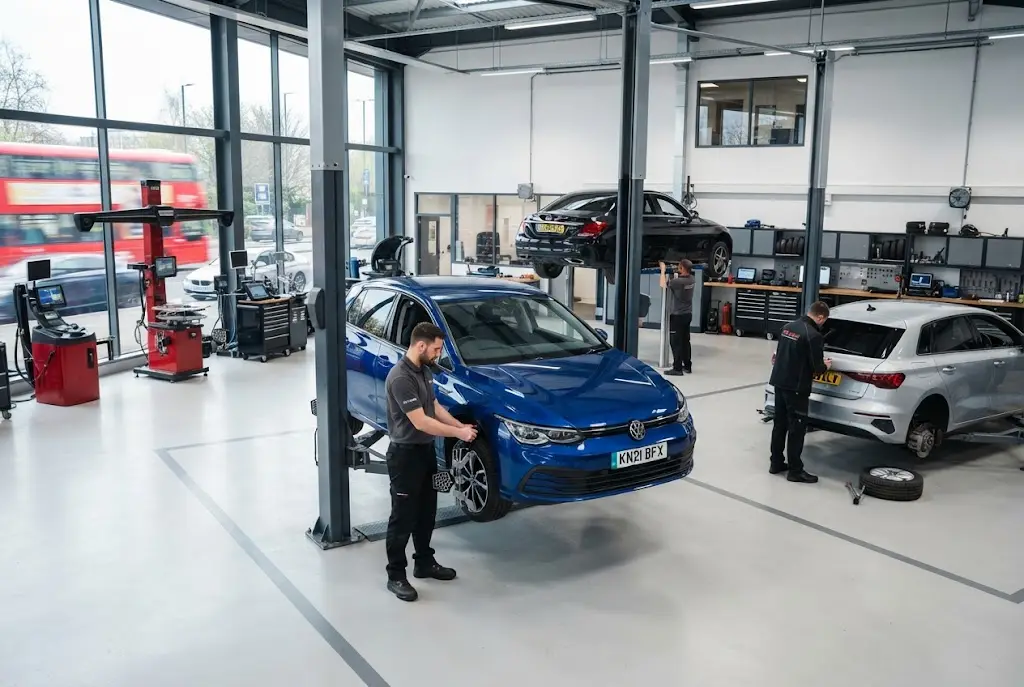
Modern workshops can use dedicated alignment equipment to measure wheel geometry accurately. The vehicle is positioned on an appropriate alignment system, measurements are taken and the results are compared with suitable specifications.
Depending on the equipment and vehicle, technicians may use sensors or targets attached to the wheels. The system can identify measurements that require attention and help the technician make the necessary adjustments.
Quality equipment is useful, but technician experience also matters. Correctly preparing the vehicle and interpreting the measurements are important parts of the process.
Choosing a Workshop for Wheel Alignment
Drivers have several options when looking for alignment services, including independent garages, tyre centres, specialist workshops and large automotive service networks.
When comparing automotive service companies, check whether the workshop has suitable alignment equipment and experience with your vehicle.
Large garage chains may provide alignment through selected locations, while independent garages can also offer professional alignment services.
The most important consideration is whether the specific workshop can measure and adjust the vehicle correctly according to appropriate specifications.
Wheel Alignment After Pothole or Kerb Impact
UK roads can expose vehicles to potholes, uneven surfaces and kerbs. A significant impact can potentially affect a wheel, tyre, steering component or suspension part.
If the vehicle develops a pull, vibration, steering-wheel change or new tyre-wear pattern after an impact, arrange an inspection.
Do not assume that alignment is the only possible issue. A damaged wheel or suspension component may require repair before an alignment can be completed correctly.
Can New Tyres Fix an Alignment Problem?
New tyres can improve grip and replace worn rubber, but they do not correct incorrect wheel geometry.
If the old tyres were unevenly worn because of an alignment issue, fitting new tyres without checking the vehicle may allow the new set to develop the same problem.
For this reason, significant uneven wear should prompt a broader inspection before replacement.
Wheel Alignment for Hybrid and Electric Vehicles
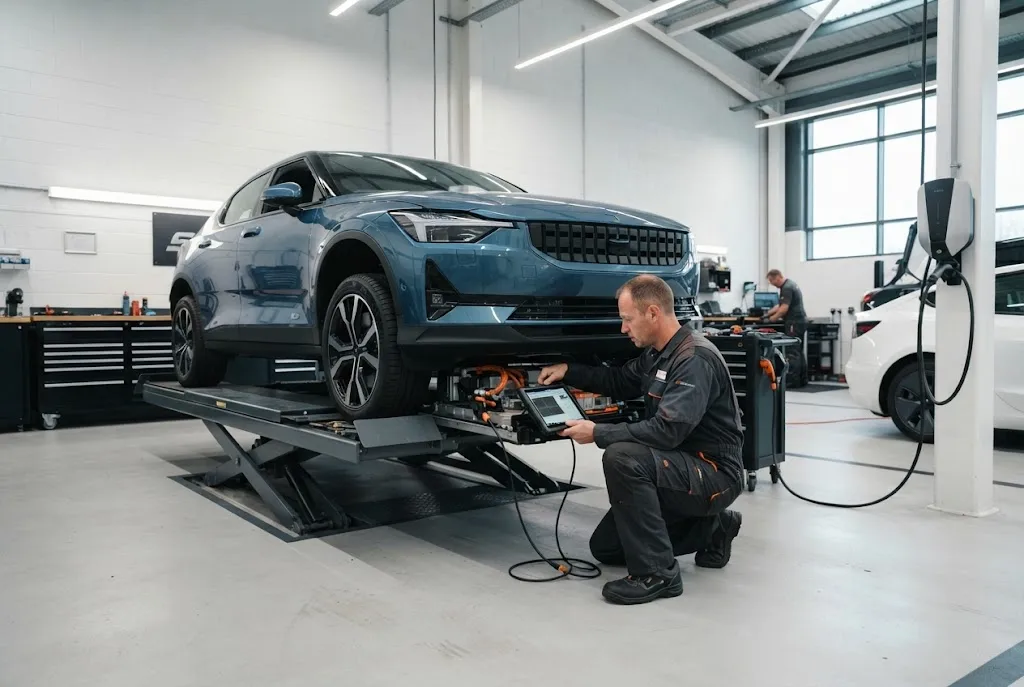
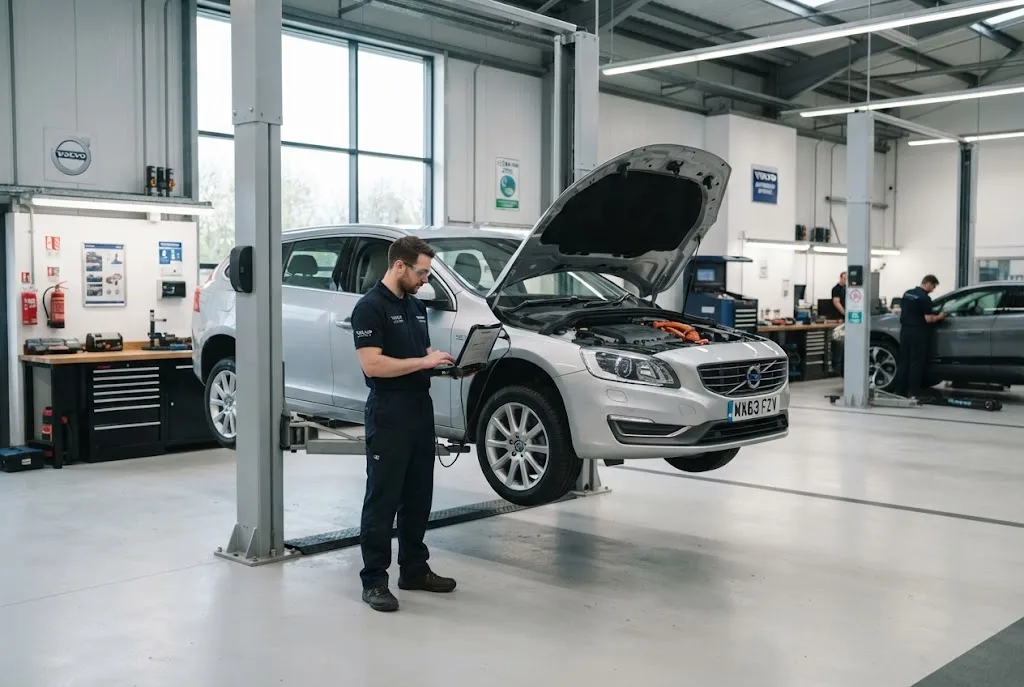
Hybrid and electric vehicles still rely on conventional steering, suspension and tyres, so wheel alignment remains relevant to their maintenance.
The additional weight and power characteristics of some electrified vehicles can make tyre maintenance particularly important. However, alignment requirements are still determined by the specific vehicle’s suspension design and manufacturer specifications.
Owners should choose a workshop that understands the vehicle and can safely perform the required maintenance. For hybrid-specific maintenance considerations, see our hybrid servicing guide.
Electric vehicle owners can also learn more about general maintenance requirements in our EV servicing guide.
How Much Does Wheel Alignment Cost?
The price of alignment varies according to the vehicle, workshop, location and type of alignment service required. Some workshops may advertise a basic alignment price, while others may include additional checks or adjustments.
Before booking, ask what the quoted service includes. Confirm whether the price covers measurement, adjustment and any necessary follow-up checks.
If a workshop identifies worn steering or suspension components, those repairs may be charged separately because alignment alone cannot correct mechanical wear.
How to Maintain Good Wheel Alignment
Drivers cannot prevent every alignment problem, but several habits can reduce the risk of avoidable tyre and suspension issues.
- Check tyre pressures regularly.
- Inspect tyres for unusual or uneven wear.
- Drive carefully around potholes and kerbs where possible.
- Arrange an inspection after a significant impact.
- Follow the manufacturer’s maintenance recommendations.
- Have steering and suspension problems investigated promptly.
- Check alignment after relevant suspension or steering repairs.
Regular visual checks can help identify developing problems before they become more expensive.
Final Thoughts on Wheel Alignment
Wheel alignment is an important part of professional vehicle maintenance because it can influence tyre wear, steering behaviour and vehicle stability. Alignment problems may develop after impacts, suspension repairs or normal wear, and their symptoms are not always immediately obvious.
Uneven tyre wear, an off-centre steering wheel or persistent pulling should be investigated rather than ignored. A professional workshop can measure the vehicle’s wheel geometry and determine whether alignment adjustment, suspension repair or another solution is required.
For UK motorists, choosing a capable workshop and maintaining tyres, steering and suspension together is the best way to support predictable handling and long-term vehicle reliability.
For official UK information about vehicle safety and maintenance, motorists can also consult the Highway Code vehicle maintenance guidance.