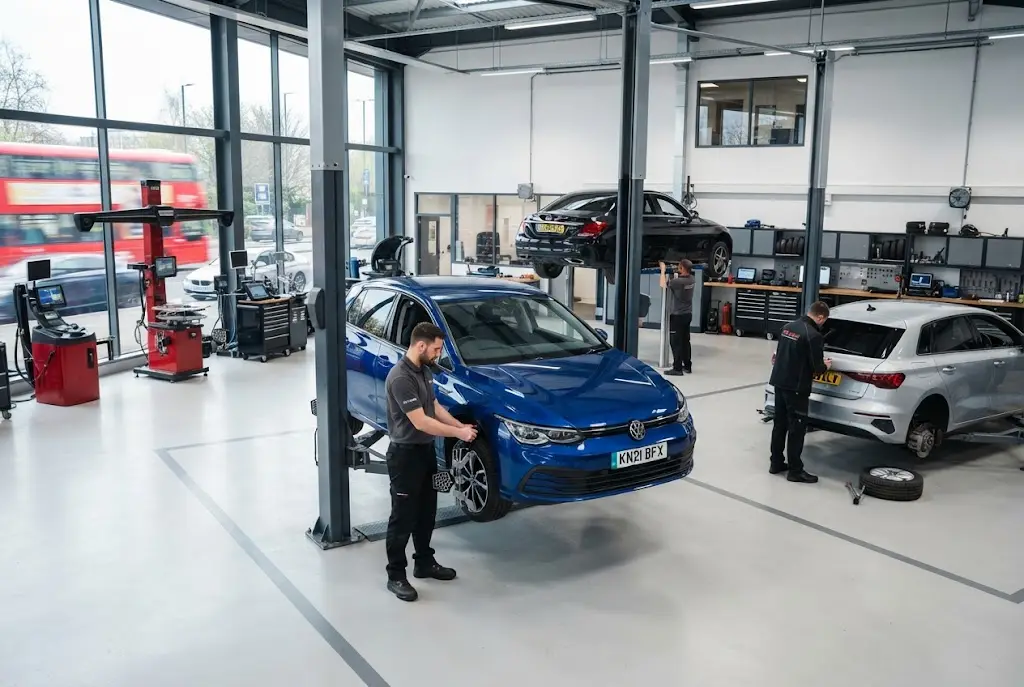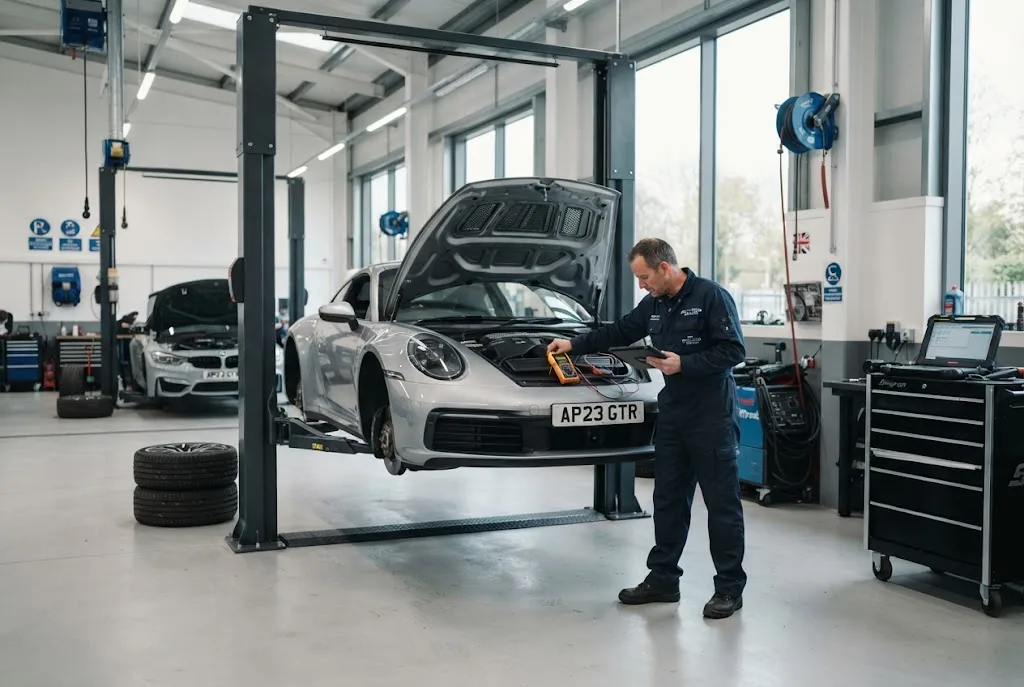
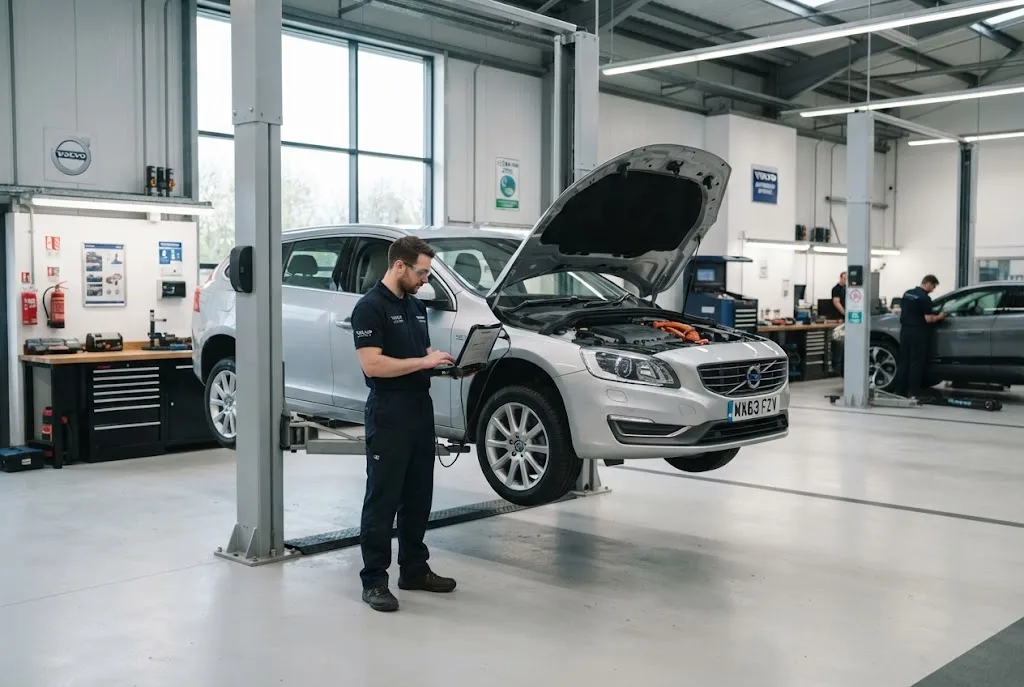

Hybrid servicing is an important part of keeping a hybrid vehicle safe, efficient and dependable throughout its ownership. Although hybrid cars share some components with conventional petrol vehicles, they also use electric motors, high-voltage batteries and sophisticated control systems that require appropriate inspection and maintenance.
For UK drivers, understanding how hybrid maintenance works can make it easier to choose the right garage, follow the manufacturer’s service schedule and identify potential problems early. Whether you drive a Toyota hybrid or another hybrid model, regular servicing should account for both the combustion engine and the vehicle’s electrical systems.
What Is Hybrid Servicing?
Hybrid servicing is the inspection and maintenance of a vehicle that combines an internal combustion engine with an electric propulsion system. The exact service requirements depend on the make, model, age and mileage of the vehicle.
A typical service may include conventional checks such as engine oil, filters, brakes, tyres, suspension and fluids. However, technicians may also inspect hybrid-specific components and systems according to the manufacturer’s requirements.
The electric side of a hybrid vehicle can include a high-voltage battery, electric motor or motors, inverter and associated control electronics. These components work together with the petrol engine to deliver power efficiently.
Why Hybrid Servicing Matters
Hybrid vehicles are designed to manage two forms of propulsion efficiently, but that does not mean they are maintenance-free. Regular servicing helps identify wear, fluid degradation, brake issues, tyre problems and other faults before they become more serious.
It can also help preserve the way the vehicle’s different systems work together. A hybrid powertrain relies on software, sensors, electrical components and mechanical systems operating correctly.
Following the manufacturer’s recommended maintenance schedule is therefore one of the simplest ways to support reliable hybrid ownership.
What Is Checked During Hybrid Servicing?
The exact checklist varies by manufacturer, but hybrid services can involve many of the same inspections found on conventional vehicles alongside hybrid-specific checks.
Engine and Fluid Checks
Most conventional hybrid cars still have a petrol engine. That means engine oil, filters, coolant and other applicable fluids remain important.
The technician may check fluid levels and condition and replace consumables when required by the service schedule. The engine should also be assessed for leaks, unusual noises or other signs of mechanical problems.
Brakes and Regenerative Braking
Hybrid vehicles can use regenerative braking to recover some energy during deceleration. This can alter how the braking system operates compared with a conventional vehicle.
Even when friction brake components experience different patterns of use, brake discs, pads, callipers and related components still require inspection. A service should identify corrosion, excessive wear or other safety concerns.
Tyres and Suspension
Tyres remain essential regardless of the vehicle’s powertrain. Technicians should check tread condition, inflation, visible damage and uneven wear.
Suspension components can also affect ride quality, handling and tyre wear. If a vehicle develops uneven tyre wear or steering symptoms, further inspection may be appropriate.
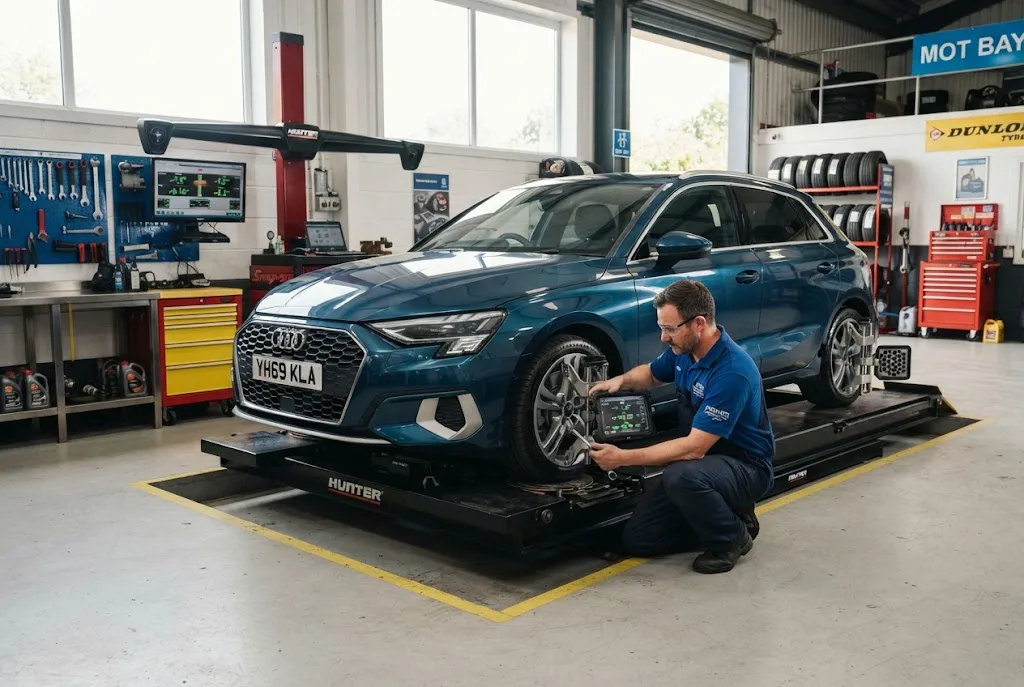
For a closer look at steering and tyre-related maintenance, our wheel alignment guide explains how alignment problems can affect vehicle stability and tyre wear.
Hybrid Battery System
The hybrid battery is one of the most important differences between a hybrid and a conventional petrol car. Its role is to store and supply electrical energy used by the hybrid system.
Battery-related inspection requirements vary considerably between manufacturers. A qualified technician can check for relevant warning signs and use appropriate diagnostic equipment where required.
Drivers should not attempt to work on high-voltage hybrid components themselves. These systems require appropriate training, equipment and safety procedures.
Hybrid Battery Maintenance
Battery maintenance is often one of the biggest concerns for hybrid owners. Modern hybrid battery systems are designed to operate within controlled parameters, and the vehicle’s management system regulates charging and discharge.
That does not eliminate the need for professional inspection. If a hybrid develops warning lights, reduced performance, unusual behaviour or other symptoms, it should be assessed by a suitable workshop.
There is also an important distinction between routine battery maintenance and battery replacement. A routine service does not necessarily mean that a hybrid battery needs to be replaced. Replacement should only be considered when diagnostic findings and manufacturer guidance indicate that it is necessary.
Toyota Hybrid Service: What Owners Should Know
A Toyota hybrid service follows the maintenance requirements established for the specific Toyota model. Toyota has produced hybrid vehicles for many years, so its range includes different powertrain generations and vehicle configurations.
Owners should check the service schedule for their particular vehicle rather than assuming that every Toyota hybrid has identical requirements.
A suitable workshop should be familiar with the vehicle’s hybrid technology and have access to the diagnostic equipment and procedures required for the model.
For Toyota owners, maintaining the recommended service history can also make future maintenance planning easier because technicians can see what work has already been completed.
Can Any Garage Service a Hybrid?
Some routine maintenance tasks on hybrid cars are similar to those on petrol vehicles. However, not every workshop is equally equipped or trained to work on high-voltage systems.
Before booking, ask whether the garage has experience servicing hybrid vehicles and whether its technicians have the appropriate training for the high-voltage system used by your car.
This becomes especially important if the problem involves the hybrid battery, inverter, electric motor, high-voltage cabling or associated electronics.
Established garage chains may offer hybrid services at selected locations, while independent garages and specialist workshops can also have relevant expertise. The key is to verify the capabilities of the specific workshop rather than relying only on the company name.
Hybrid Services Beyond Routine Maintenance
Hybrid services can include more than scheduled servicing. Depending on the vehicle and workshop, motorists may also need diagnostics, brake inspections, air-conditioning maintenance, battery-related assessment, tyre services or repairs to conventional mechanical systems.
Modern hybrids can contain extensive electronic systems, so diagnostic capability is increasingly important. A warning light does not necessarily identify the exact failed component; professional diagnostic testing may be required to determine the underlying issue.
Hybrid Servicing and Brake Wear
Regenerative braking can change the way a hybrid uses its friction brakes. In some driving conditions, the electric motor can contribute significantly to deceleration before the conventional braking system is needed.
However, reduced use does not mean brake components can be ignored. Discs may be vulnerable to corrosion, while pads and other components still require inspection.
If braking feels different, the vehicle pulls to one side, unusual noises appear or a warning light comes on, arrange an inspection rather than waiting for the next routine service.
Hybrid Servicing for High-Mileage Cars
As hybrid vehicles remain on UK roads for longer periods, owners may keep them well beyond the early years of ownership. Higher mileage does not automatically make a hybrid unsuitable, but maintenance becomes increasingly important.
Wear-and-tear components such as tyres, brakes, suspension parts and engine-related components still need attention. The hybrid system should also be monitored according to the manufacturer’s requirements.
A complete service history can be particularly useful when purchasing a used hybrid. It provides evidence that the vehicle has received scheduled maintenance and can help a buyer understand its previous upkeep.
Hybrid Ownership and Long-Term Costs
Hybrid ownership involves more than fuel economy. Drivers should consider servicing, tyres, brakes, insurance, consumables and potential repairs when evaluating the overall cost of keeping a hybrid.
The exact cost varies by vehicle and usage. A larger hybrid SUV, for example, may have different maintenance requirements from a small hybrid hatchback.
Rather than focusing on one component, owners should consider the vehicle as a complete system. Preventive maintenance can help reduce the risk of avoidable faults and keep the car operating as intended.
Hybrid Cars and Sustainable Mobility
Hybrid vehicles have played an important role in the transition towards lower-emission forms of road transport. They combine an internal combustion engine with electric propulsion, allowing manufacturers to reduce reliance on the engine under some driving conditions.
However, the environmental impact of any vehicle depends on factors including how it is used, the vehicle’s design, fuel consumption, manufacturing and eventual disposal.
For motorists considering their next vehicle, understanding hybrid technology can therefore provide useful context when comparing conventional cars, hybrids and fully electric vehicles.
Hybrid Servicing vs EV Servicing
Hybrid and electric vehicles both use electric propulsion technology, but their maintenance requirements are not identical.
A hybrid generally retains a combustion engine and many associated components, while a fully electric vehicle does not need conventional engine oil changes or many of the mechanical systems associated with an internal combustion engine.
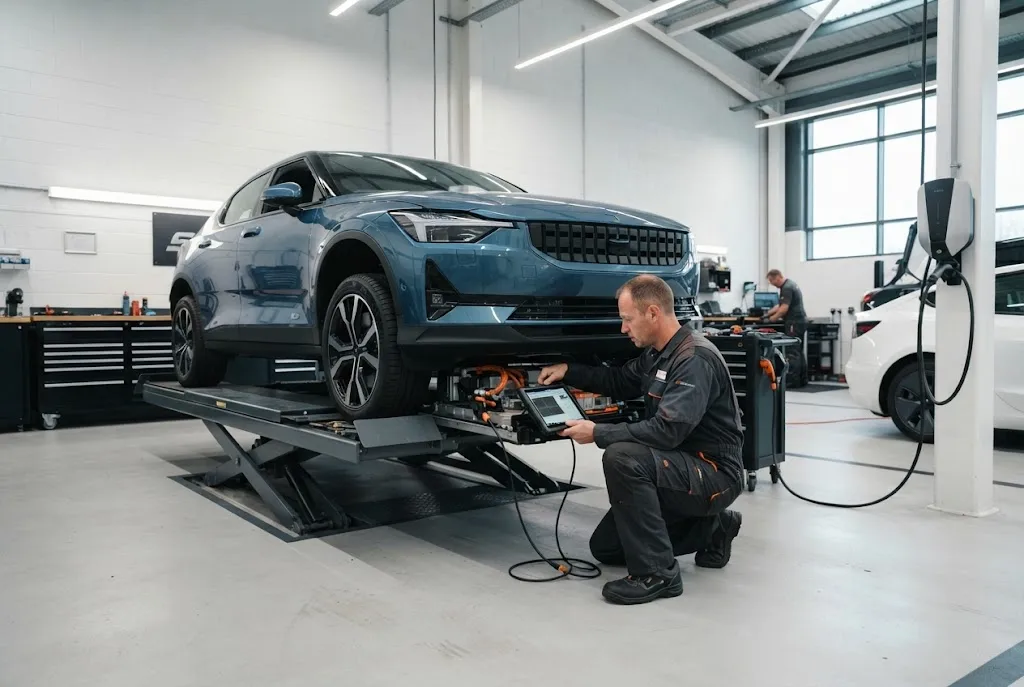
Our EV servicing guide covers the different maintenance considerations for fully electric vehicles, including EV mechanics, battery servicing and charging-related considerations.
How to Choose a Hybrid Specialist
When selecting a workshop, start by checking whether it regularly works on hybrid vehicles. Ask what training technicians have received and whether the workshop can diagnose the hybrid system fitted to your specific model.
It is also worth asking what the service includes. A clear quotation should explain the scheduled maintenance, inspections and any additional work being recommended.
If the garage identifies a significant repair, ask for an explanation of the fault and whether the work is urgent. A professional workshop should be able to communicate the findings clearly without pressuring the customer into unnecessary repairs.
Signs Your Hybrid May Need Attention
Drivers should pay attention to changes in vehicle behaviour. Potential warning signs can include dashboard warning lights, unusual noises, changes in acceleration, reduced fuel efficiency, braking changes or unexpected messages relating to the hybrid system.
These symptoms do not automatically indicate a battery failure. Several different systems can produce similar symptoms, which is why proper diagnosis matters.
If a high-voltage warning or serious system fault appears, follow the vehicle manufacturer’s instructions and arrange professional assistance where appropriate.
Final Thoughts on Hybrid Servicing
Hybrid servicing is about maintaining the complete vehicle rather than focusing only on its battery. The petrol engine, braking system, tyres, suspension, electronics and hybrid components all contribute to safe and reliable operation.
For UK hybrid owners, the best approach is to follow the manufacturer’s maintenance schedule and use a workshop with appropriate hybrid knowledge and equipment. This is especially important when work involves high-voltage components.
As sustainable mobility continues to develop, hybrid vehicles remain an important part of the changing automotive landscape. Good maintenance helps owners get the most dependable service from the technology they already have while preparing them for the wider transition towards future transport.
For official UK information about vehicle maintenance and roadworthiness, motorists can also consult the GOV.UK MOT guidance.