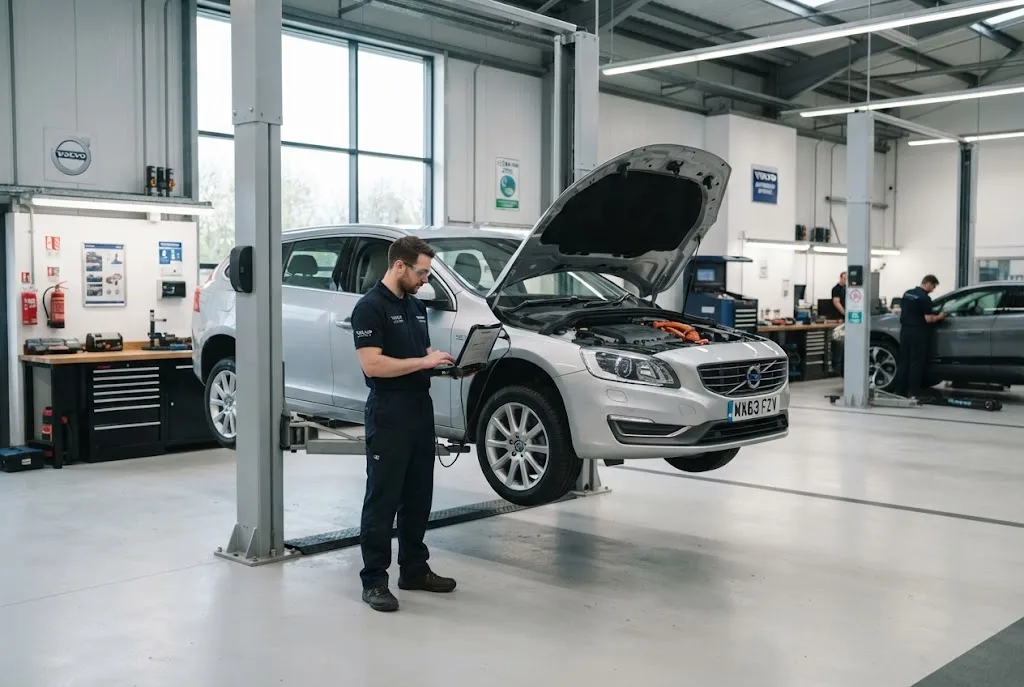
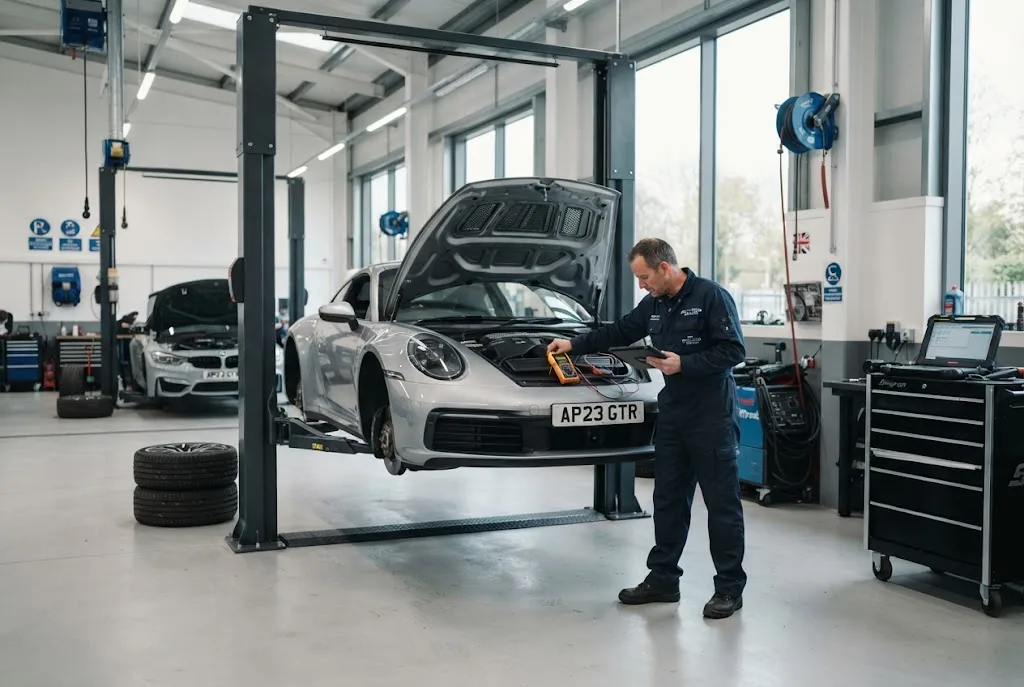

Choosing between different automotive service companies can make a significant difference to the quality, convenience and cost of vehicle maintenance. UK motorists can choose from independent garages, authorised workshops, specialist repair centres and large service networks, each offering different strengths.
The right choice depends on what your vehicle needs. A routine service may be straightforward for a general garage, while an electric vehicle, hybrid, premium model or complex electronic fault may require specialist knowledge and equipment. Understanding the differences between workshop types can help drivers make a more informed decision.
What Are Automotive Service Companies?
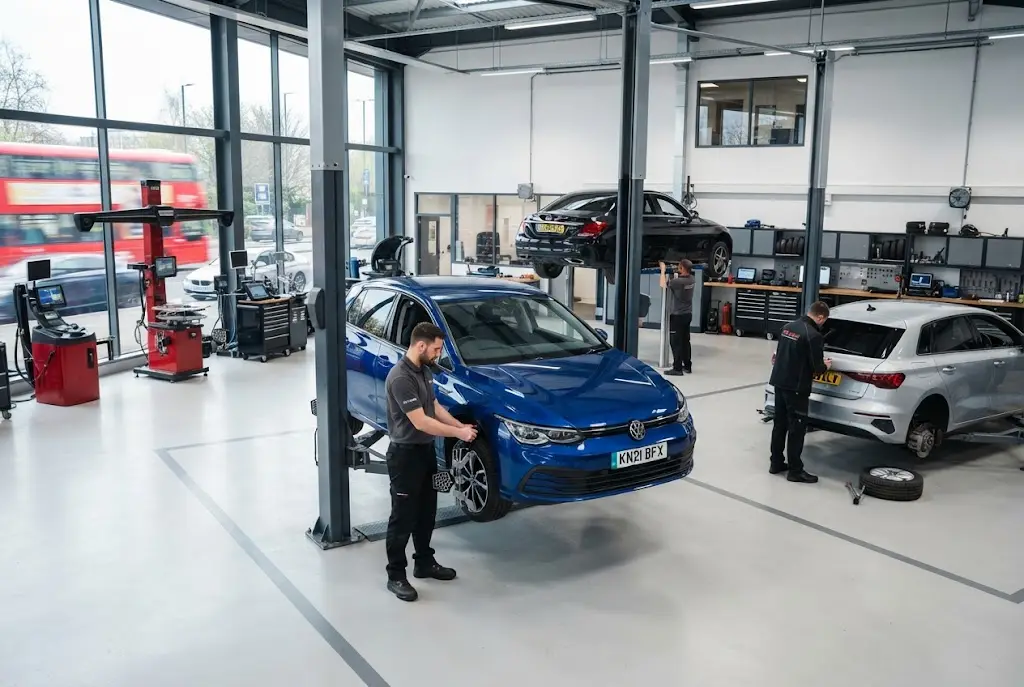
Automotive service companies are businesses that provide maintenance, inspection, diagnostic, repair and other vehicle-related services. Their services can range from routine servicing and MOT-related work to tyres, brakes, suspension, diagnostics, electrical repairs and specialist vehicle maintenance.
Some businesses operate from one local workshop, while others form part of larger service networks with locations across different parts of the UK. The range of services and technical capability can vary significantly between providers.
For this reason, motorists should look beyond the company name and check whether the specific workshop is equipped to handle the vehicle and repair involved.
Types of Automotive Service Companies
The UK automotive repair market includes several different types of businesses. Knowing how they differ can make the selection process easier.
Independent Garages
Independent garages are locally operated workshops that are not necessarily part of a major national automotive brand. They can provide a broad range of maintenance and repair services, depending on their equipment, staff and areas of expertise.
One potential advantage is a more personalised relationship with the workshop. Local garages may build long-term relationships with customers and become familiar with the maintenance history of frequently serviced vehicles.
Independent businesses can also specialise in particular vehicle makes, models or types of repair. However, motorists should still verify the workshop’s experience before booking specialist work.
Authorised Workshops
Authorised workshops operate with manufacturer or network approval for particular vehicle brands or services. They may have access to manufacturer-specific procedures, diagnostic equipment and technical information.
This can be particularly useful for newer vehicles or repairs involving sophisticated electronic systems. Drivers should confirm exactly what authorisation applies to the workshop and the vehicle concerned.
Authorised servicing can also be relevant to motorists who prefer to have their vehicles maintained within a manufacturer’s recommended service framework.
Repair Specialists
Repair specialists focus on particular areas of automotive work. Examples can include transmission specialists, body repair businesses, exhaust specialists, tyre centres, electrical diagnostics providers and workshops focused on specific vehicle brands.
A specialist may be a better option when a vehicle develops a complicated fault that requires expertise beyond routine servicing.
Large Service Networks
Large service networks operate multiple workshops under a common brand or business structure. They can provide motorists with broader geographic coverage and a recognisable service model.
Well-known UK networks include names such as Kwik Fit, Halfords, National Tyres & Autocare, ATS Euromaster and Protyre, although their individual services and workshop capabilities differ.
Our guide to garage chains provides a closer look at major UK automotive service networks and the types of services they offer.
How to Compare Automotive Service Companies
Choosing a workshop should involve more than comparing the cheapest advertised price. Several factors can affect the overall quality and value of automotive maintenance.
Check Technical Experience
Start by checking whether the workshop regularly works on your type of vehicle. Modern cars can contain advanced electronics, driver assistance systems and complex powertrains.
A garage that is suitable for routine servicing may not necessarily have the equipment or training required for a complicated electrical or high-voltage repair.
This is especially important for hybrid and electric vehicles. Our hybrid servicing guide explains why hybrid-specific knowledge matters when maintaining vehicles that combine combustion and electric propulsion.
Look at the Services Offered
Not every automotive business provides the same services. Before making an appointment, confirm that the workshop can perform the work you need.
Common services can include:
- Vehicle servicing
- MOT testing
- Brake inspection and repair
- Tyre fitting and replacement
- Wheel alignment
- Suspension repairs
- Battery replacement
- Vehicle diagnostics
- Air-conditioning servicing
- Electrical repairs
- Hybrid and EV maintenance
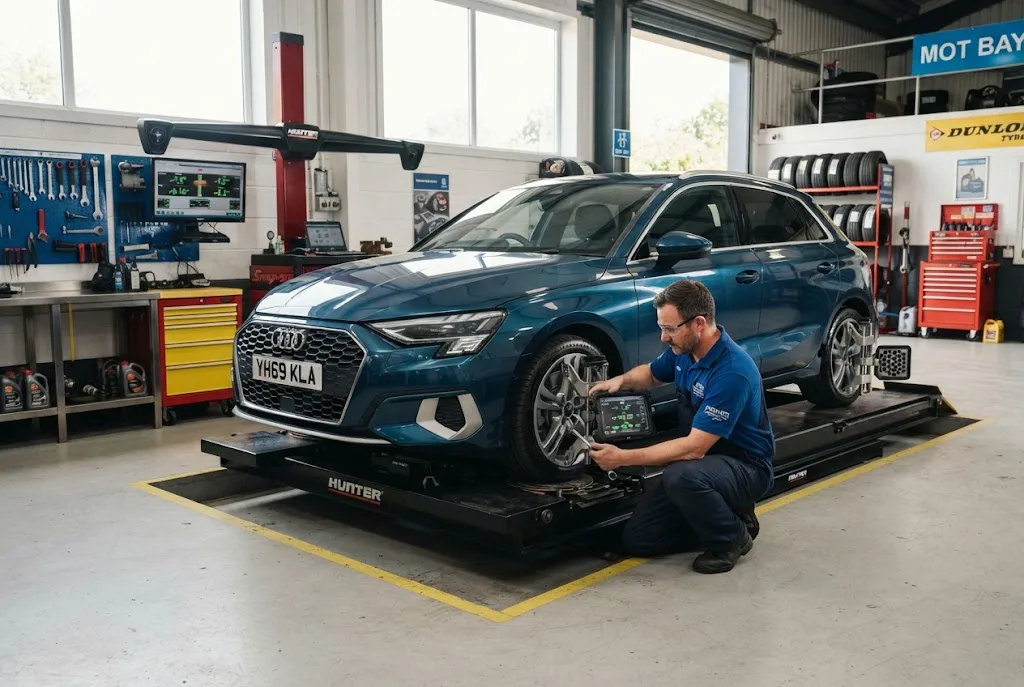
For tyre wear or steering concerns, it is worth checking whether the workshop provides wheel alignment services rather than treating the tyre problem in isolation.
Service Standards and Workshop Quality
Good service standards are about more than a clean reception area or a familiar brand. A professional workshop should communicate clearly, follow appropriate repair procedures and explain significant findings to the customer.
Before authorising work, ask what has been identified, what needs immediate attention and what the quoted price includes. If additional work becomes necessary during the repair, the workshop should explain the reason before proceeding wherever practical.
Clear documentation is also valuable. Keep invoices, service records and repair details because they provide a useful history of the vehicle’s maintenance.
Why Diagnostic Equipment Matters
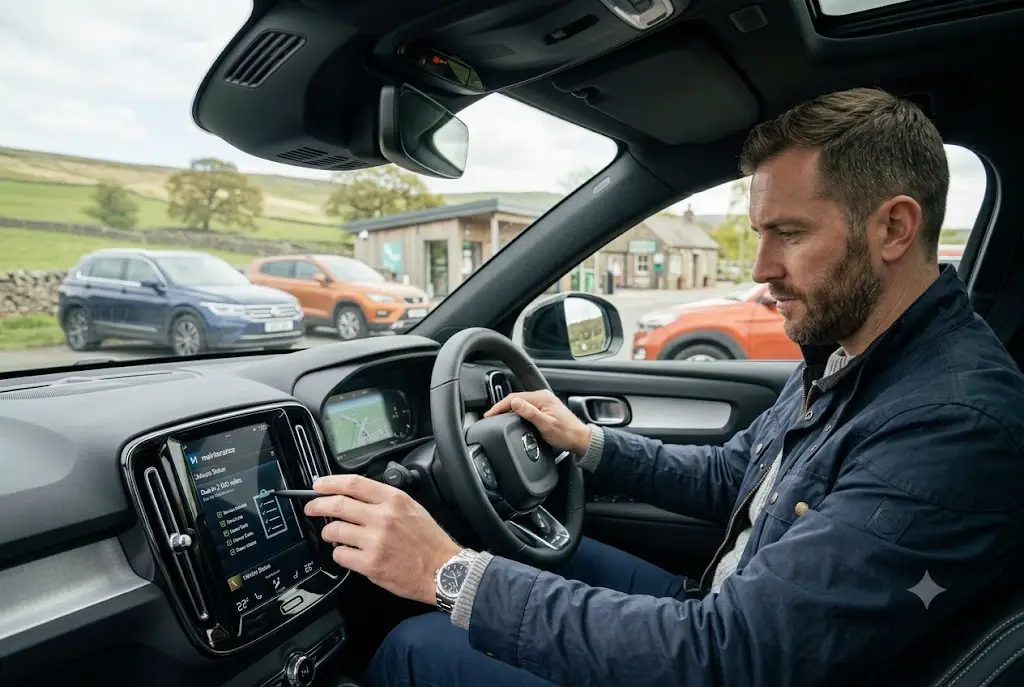
Modern vehicles increasingly rely on electronic control systems. As a result, professional diagnostics have become an important part of automotive repair.
A diagnostic scan can identify stored fault codes and provide technicians with information about potential system problems. However, a fault code is not always a complete diagnosis. Skilled technicians still need to interpret the information and investigate the underlying cause.
This distinction is important because replacing a component solely because a diagnostic code appears can result in unnecessary expenditure if the actual problem lies elsewhere.
Automotive Service Companies and Electric Vehicles
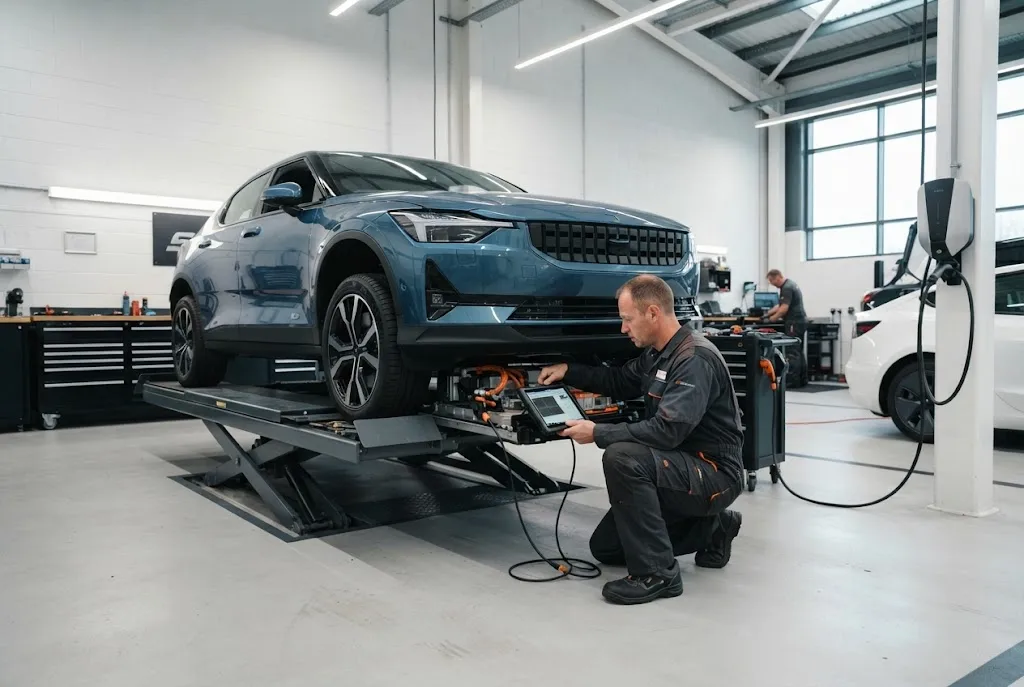
Electric vehicles have changed the technical requirements of the automotive repair industry. They use high-voltage batteries, electric motors, sophisticated control electronics and charging systems.
Some routine maintenance tasks remain familiar, including tyres, brakes, steering and suspension inspections. However, high-voltage diagnostics and repairs require appropriate training and safety procedures.
When selecting an EV workshop, motorists should therefore ask whether technicians have relevant electric vehicle training and whether the business has equipment suitable for the vehicle.
For more detail, read our EV servicing guide, which covers battery maintenance, EV mechanics, charging considerations and specialist workshop selection.
Customer Support Matters
Technical capability is essential, but customer communication also affects the overall service experience. A professional workshop should be able to explain a repair in terms that a customer can understand.
Good customer support can include clear booking information, transparent quotations, updates during longer repairs and an understandable explanation of completed work.
Customers should also feel comfortable asking why a repair has been recommended. A trustworthy workshop should be able to explain the safety or mechanical reason for its recommendation without relying on confusing technical language.
How Much Should Automotive Servicing Cost?
There is no single price that applies to every vehicle service. Costs can depend on the vehicle’s make and model, age, mileage, service level, parts required and workshop location.
A premium vehicle may require more expensive components or specialist procedures, while a common model may have a wider choice of replacement parts and workshops.
When comparing quotations, look at the complete package rather than the headline figure. Ask whether labour, parts, diagnostic work, inspections and applicable consumables are included.
A significantly cheaper quote is not necessarily better value if it excludes important work or uses components that do not meet the specification required for the vehicle.
Independent Garages vs Authorised Workshops
Both independent garages and authorised workshops can have important advantages.
An authorised workshop may be attractive to owners who want manufacturer-specific expertise, procedures and equipment. An independent garage may offer local convenience, personalised service or specialist knowledge at a competitive price.
The better option depends on the vehicle and the work required. For routine maintenance, a capable independent garage may be perfectly suitable. For complex manufacturer-specific systems, an authorised or specialist workshop may offer additional advantages.
Questions to Ask Before Booking
A few simple questions can help motorists establish whether a workshop is suitable:
- Do you regularly service this make and model?
- Can you carry out the specific repair I need?
- Do your technicians have relevant specialist training?
- What parts will be used?
- What does the quoted price include?
- Will you contact me before carrying out additional work?
- What warranty applies to the repair or replacement parts?
- Will I receive an itemised invoice?
These questions are especially useful when dealing with unfamiliar automotive businesses or expensive repairs.
Choosing a Garage for Routine Maintenance
Routine maintenance is often the easiest type of automotive work to compare. Start with the manufacturer’s recommended schedule and identify the services that need to be completed.
Then compare workshops based on capability, convenience, pricing, customer support and service history.
Do not overlook basic items such as tyre condition, brakes, suspension and steering. These systems can have a direct effect on vehicle safety and handling.
Choosing a Workshop for Complex Repairs
Complex repairs require a more careful selection process. If your vehicle has an intermittent electrical fault, transmission problem, advanced driver assistance issue or high-voltage system fault, look for a business with relevant expertise.
Ask how often the workshop handles similar problems and what diagnostic equipment it uses. A specialist repair business may be preferable to a general garage if the fault requires highly specific knowledge.
For electric vehicles, this distinction is particularly important because not every conventional garage is equipped to work safely on high-voltage propulsion systems.
Automotive Businesses and Changing Vehicle Technology
The automotive industry is continuing to change as hybrid and electric vehicles become more common. Workshops are therefore adapting their equipment, technician training and service offerings.
Future automotive businesses will increasingly need expertise across mechanical, electrical and software-related systems. Customers, meanwhile, will need to become more aware of the technical capabilities required for different types of maintenance.
This makes workshop selection more important than simply choosing the nearest garage.
Keeping a Complete Service History
Maintaining accurate records can make future vehicle ownership easier. Keep invoices, service documentation, inspection reports and details of significant repairs.
A clear history can help technicians understand previous work and can also provide useful information when selling or replacing the vehicle.
Digital records are increasingly common, but motorists should still retain accessible evidence of maintenance where appropriate.
When to Consider a Specialist
A specialist workshop can be worth considering when the repair is outside the normal scope of a general garage. Examples include unusual electrical faults, specialist transmissions, performance vehicles, classic cars, advanced EV systems or particular manufacturer-specific problems.
Specialist knowledge can reduce the risk of repeated unsuccessful repairs because the workshop is familiar with the systems involved.
However, motorists should still check credentials, experience, pricing and customer feedback before authorising substantial work.
Final Thoughts on Automotive Service Companies
The UK’s automotive service companies range from independent garages and specialist repair businesses to authorised workshops and large national service networks. Each type can provide valuable services, but the best choice depends on the vehicle and the work required.
Focus on technical capability, clear communication, appropriate equipment, transparent pricing and suitable experience rather than choosing a workshop solely because it has a familiar name.
As vehicles become more connected and electrified, workshop expertise will continue to evolve. Drivers who understand their vehicle’s maintenance requirements can make better decisions and build a relationship with a service provider capable of supporting their car throughout its ownership.
For official information about MOT testing and vehicle roadworthiness in the UK, motorists can consult the GOV.UK MOT guidance.