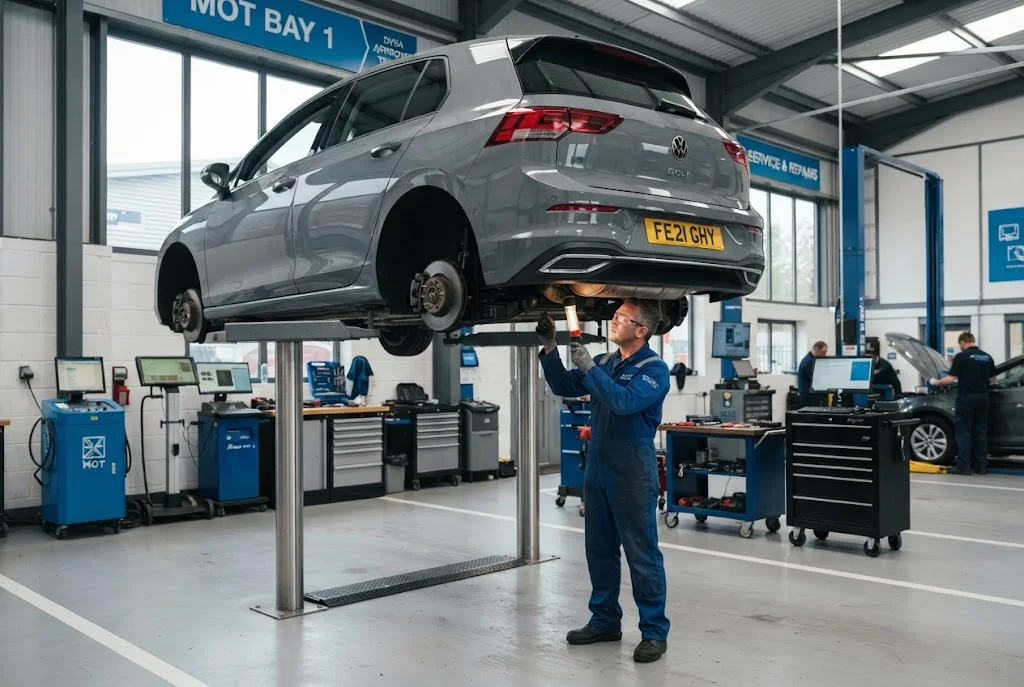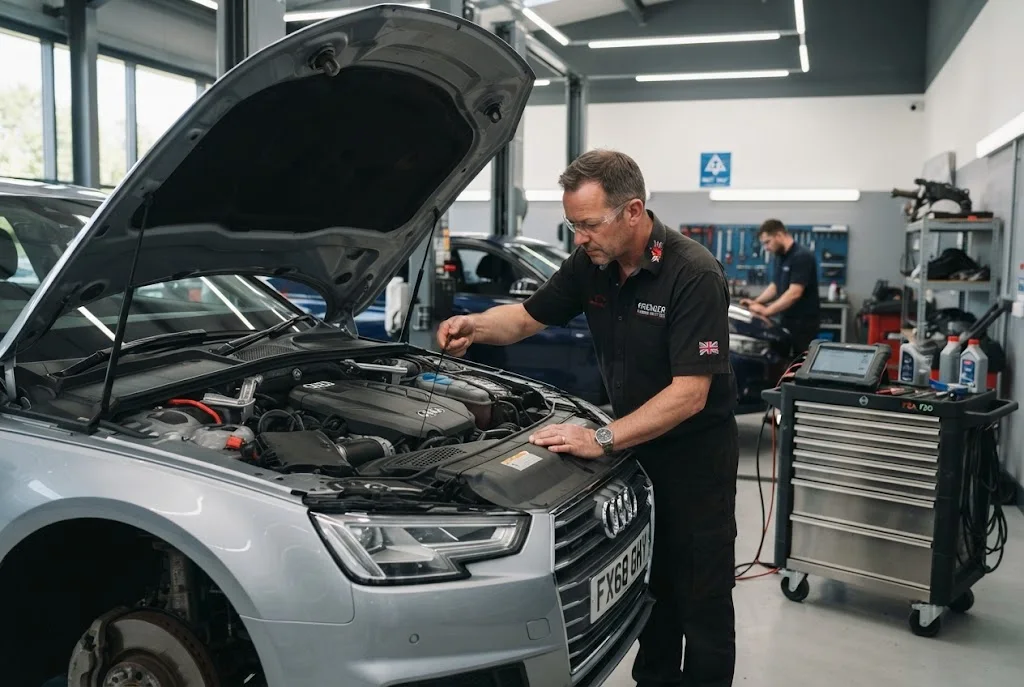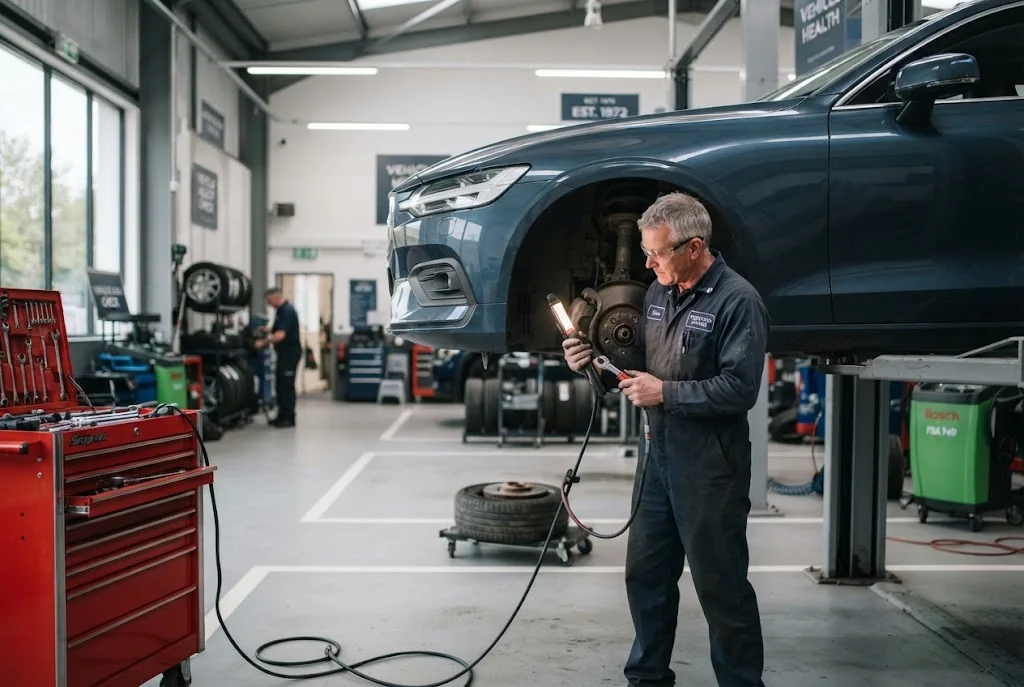
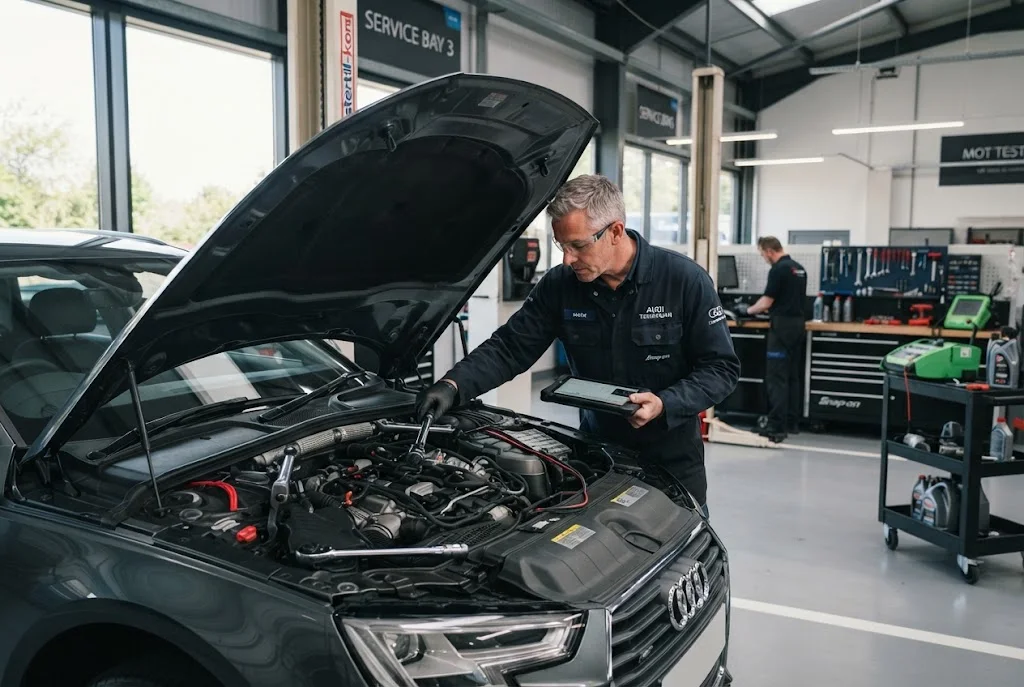

Professional auto repair services help UK drivers deal with vehicle faults, worn components and unexpected problems that can affect safety, reliability and everyday driving. From brake and suspension repairs to electrical faults, engine problems and diagnostic work, choosing the right repair approach starts with understanding what has gone wrong and how urgently it needs attention.
Vehicle repairs are not always predictable. A warning light may require a simple investigation, while a change in braking, steering or engine performance can indicate a problem that needs prompt professional assessment. Understanding the repair process can help motorists communicate with workshops, compare quotations and make better-informed maintenance decisions.
What Are Auto Repair Services?
Auto repair services cover professional work carried out to diagnose, repair or replace faulty, damaged or worn vehicle components. The exact work depends on the vehicle, its age, mileage, condition and the nature of the fault.
Common repair services can include:
- Brake repairs and replacement
- Engine diagnostics and repairs
- Electrical fault diagnosis
- Battery replacement
- Suspension repairs
- Steering repairs
- Clutch and transmission work
- Cooling system repairs
- Exhaust repairs
- Air-conditioning repairs
- Tyre and wheel-related repairs
- Hybrid and electric vehicle repairs
Some repairs are straightforward once a fault has been identified, while others require detailed diagnostics before the underlying cause can be established.
Why Professional Auto Repair Services Matter
A vehicle fault can have several possible causes. For example, an unusual noise may originate from different components depending on when it occurs, while a dashboard warning light may relate to multiple systems.
Professional diagnosis allows a technician to investigate the symptom rather than simply replacing parts based on assumptions. This can make the repair process more targeted and reduce the risk of unnecessary component replacement.
Professional repairs are also particularly important when a problem affects braking, steering, suspension, tyres or other systems that directly influence vehicle control. If a vehicle develops a serious or unfamiliar safety-related symptom, it should be assessed appropriately rather than driven unnecessarily.
For wider information about professional automotive care, see our guide to auto services.
Common Auto Repairs in the UK
Different vehicles experience different faults, but several repair categories are common across the automotive market.
Brake Repairs
Brake pads, discs and other braking components experience normal wear during vehicle use. Symptoms such as unusual noises, changes in pedal feel, vibration or reduced braking performance can warrant professional inspection.
Brake components should be assessed according to their condition and the manufacturer’s specifications. A technician can determine whether components require replacement or whether another part of the braking system is responsible for the reported symptom.
Suspension Repairs
Suspension components help maintain vehicle stability, ride quality and contact between the tyres and road. Worn or damaged components can produce symptoms such as unusual noises, uneven tyre wear, changes in handling or excessive movement.
Because several suspension components work together, accurate diagnosis is important before repair work is undertaken.
Steering Repairs
Changes in steering behaviour should be taken seriously. Heavy steering, unusual movement, vibration, pulling or other changes can have several potential causes involving steering, suspension, tyres or wheel alignment.
A professional inspection can identify the source of the problem and establish which components require attention.
Engine Repairs
Engine-related problems can range from relatively minor component issues to more complex mechanical faults. Warning lights, unusual noises, overheating, poor performance or starting difficulties can all justify diagnostic investigation.
Engine repairs should normally begin with appropriate diagnosis. Replacing components without understanding the underlying problem can lead to unnecessary costs and may fail to resolve the original fault.
Electrical Repairs
Modern vehicles contain extensive electrical and electronic systems. Problems can affect starting, lighting, charging, sensors, entertainment systems or other vehicle functions.
Professional diagnostic equipment can help technicians identify stored fault information and test relevant systems. However, electronic fault codes are part of the diagnostic process rather than automatically proving which component has failed.
Vehicle Diagnostics Before Repairs
Diagnostics are an important part of many modern auto repair services. When a vehicle displays a warning light or develops an electronic fault, technicians can use diagnostic equipment to gather information from the vehicle’s control systems.
A proper diagnostic process should combine electronic information with physical inspection and technical knowledge. A fault code can identify an area requiring investigation, but further testing may be necessary to establish the actual cause.
This is particularly relevant to modern vehicles with complex sensors and interconnected systems. Accurate diagnosis can help distinguish between a faulty sensor, wiring problem, mechanical issue or another underlying cause.
When Should You Seek Auto Repair Services?
Drivers should pay attention to changes in the way their vehicle sounds, feels or performs. Problems are easier to address when they are investigated before additional components become affected.
Common warning signs include:
- Dashboard warning lights
- Unusual engine or drivetrain noises
- Grinding, squealing or other unfamiliar brake noises
- Changes in steering response
- Vehicle vibration
- Unusual tyre wear
- Fluid leaks
- Engine overheating
- Difficulty starting
- Loss of power or unusual performance
- Unusual exhaust smoke or behaviour
Not every symptom indicates a major repair. Professional assessment can establish whether the issue requires immediate action, routine maintenance or further monitoring.
Understanding Auto Repair Costs
Repair costs vary according to the vehicle, component, parts required, labour time, diagnostic requirements and complexity of the fault. The same symptom can also lead to different repair costs because the underlying causes may differ.
For this reason, motorists should be cautious about relying on generic online price estimates without considering their particular vehicle and fault.
When requesting a quotation, ask the workshop to explain:
- What fault has been identified
- Which parts need attention
- Whether replacement is essential or recommended
- Which parts will be fitted
- How much labour is included
- Whether diagnostic charges are separate
- Whether VAT and other applicable charges are included
- Whether additional work may be required
A clear, itemised quotation makes it easier to understand what you are paying for and compare different repair proposals on a like-for-like basis.
Planning Repairs Instead of Waiting for a Breakdown
Not every repair has to be treated as an unexpected emergency. Routine inspections and servicing can identify worn components before they fail completely.
For example, a technician may identify brake components approaching the end of their useful condition during a scheduled service. If the issue is not immediately urgent, the owner may be able to plan the work rather than waiting for a more serious problem.
This is one reason regular vehicle maintenance is closely connected to repair planning. Preventive care does not eliminate unexpected faults, but it can provide greater visibility of the vehicle’s condition.
Choosing a Trusted Auto Repair Workshop
The right repair provider should have suitable experience, equipment and technical knowledge for the work involved. A workshop that regularly handles your vehicle’s make and model may already be familiar with common systems and repair requirements.
When selecting a garage, consider:
- Experience with your vehicle type
- Availability of suitable diagnostic equipment
- Technician training and technical expertise
- Clarity of quotations
- Quality of repair documentation
- Parts and warranty information
- Communication about additional repairs
A professional workshop should explain the identified problem and the proposed solution in understandable terms. If further work becomes necessary during a repair, the customer should receive an explanation before additional costs are incurred where practical.
For more guidance, see our article on trusted mechanics.
Independent Garages and Specialist Repair Centres
UK motorists can choose from independent garages, manufacturer-authorised facilities and specialist repair centres. Each type of workshop may have different equipment, training and areas of expertise.
Independent garages can handle a broad range of routine servicing and repairs, while specialist centres may focus on particular makes, vehicle types or technical systems. Manufacturer-authorised facilities may offer brand-specific equipment, procedures and technical information.
The important consideration is whether the provider is appropriate for the specific repair. Complex electronic systems, high-performance vehicles and hybrid or electric powertrains may require specialist knowledge and equipment.
Auto Repair Services for Hybrid and Electric Vehicles
Hybrid and electric vehicles require repair expertise that reflects their specific powertrain technology. Although they still use components such as tyres, brakes, steering and suspension, they can also contain high-voltage systems and vehicle-specific electrical components.
Owners should confirm that a workshop has appropriate training and equipment before authorising work involving high-voltage systems. Attempting to treat specialised electrical repairs like conventional mechanical work can introduce unnecessary risks.
Electric vehicles also require attention to areas such as thermal management, charging systems, battery-related components and electronic controls. Our EV servicing guide provides further information about professional maintenance for electric vehicles.
Repairs After an MOT
An MOT result can identify defects or advisories that require attention, but an MOT is not itself a comprehensive vehicle health check. If a vehicle fails its MOT, the repair requirements should be understood in relation to the specific defects recorded by the tester.
Drivers should review the MOT documentation and ask the repair provider to explain the relevant issue. Some defects may require immediate attention before the vehicle can legally continue to be used, while advisory information can highlight components that may need monitoring or future maintenance.
The official GOV.UK MOT guidance provides information about the statutory testing process. The Driver and Vehicle Standards Agency also publishes detailed inspection guidance for MOT testers.
Our MOT and service guide explains how MOT testing fits alongside routine maintenance and repair planning.
Getting the Most From a Repair Appointment
Good communication can make a repair appointment more efficient. Before visiting the workshop, note when the problem occurs and whether any conditions appear to trigger it.
Useful information can include:
- When the symptom first appeared
- Whether it happens when the engine is cold or warm
- Whether it occurs during acceleration, braking or turning
- Whether a warning light appeared
- Whether the problem is constant or intermittent
- Whether any recent maintenance or repairs were completed
Specific information can help technicians reproduce the fault and focus their diagnostic process.
Repair Quality and Replacement Parts
The quality and suitability of replacement parts can be important when completing repairs. Depending on the component and vehicle, workshops may offer different parts options.
Drivers should ask what type of part is being proposed and whether the repair comes with a parts or workmanship warranty. The appropriate choice depends on the vehicle, component, manufacturer requirements and repair circumstances.
A cheap initial quotation is not necessarily directly comparable with a higher quotation if the two proposals use different parts, warranties or scopes of work. Understanding exactly what is included provides a more useful basis for comparison.
Keeping Repair Records
Maintaining records of repairs can help with future vehicle maintenance. Keep invoices, diagnostic reports and details of major component replacements where available.
Repair records can tell a future technician what has already been investigated or replaced. They can also help owners avoid paying for unnecessary duplication of previous work.
A complete maintenance history may also be useful when selling a vehicle because it provides evidence of the work carried out during ownership.
How Auto Repair Services Support Long-Term Vehicle Care
Repairs and maintenance work together. Maintenance focuses on keeping systems in appropriate condition and following scheduled requirements, while repairs address faults, damage and worn components that require corrective action.
A structured approach combines both. Regular servicing can identify potential problems, professional diagnostics can establish causes, and timely repairs can restore affected systems before problems become more disruptive.
Drivers should therefore view repair appointments as part of a broader vehicle-care strategy rather than as completely separate events.
Final Thoughts on Auto Repair Services
Auto repair services cover a wide range of work, from brakes and suspension to engine, electrical, diagnostic and specialist repairs. The most appropriate solution depends on the vehicle, the symptoms and the actual cause of the fault.
UK motorists can make repair decisions easier by responding to warning signs, obtaining a proper diagnosis, requesting clear quotations and choosing workshops with suitable expertise and equipment. Keeping accurate service and repair records can also improve long-term maintenance planning.
Ultimately, professional repairs are most effective when combined with regular servicing and preventive care. A consistent approach allows drivers to understand their vehicle’s condition, address problems appropriately and maintain greater confidence in its ongoing reliability.